
Hypothyroidism Diet: Food, Medicine Timing and Practical Guidance
Food supports general health in hypothyroidism, but it cannot replace thyroid hormone when treatment is needed.

Key Takeaways
- No food cures hypothyroidism; prescribed thyroid hormone is often still needed.
- Take levothyroxine consistently with water and keep the advised gap from food and supplements.
- Iodised salt is a practical iodine source; kelp and high-dose iodine drops can cause harm.
- Soy and cooked cruciferous vegetables can stay in the diet with sensible medicine timing.
Food supports general health in hypothyroidism, but it cannot replace thyroid hormone when treatment is needed. The most useful plan is balanced, nutritionally adequate and organised around consistent medicine timing rather than long lists of forbidden foods.
What hypothyroidism changes
Low thyroid hormone can contribute to tiredness, constipation, cold sensitivity and weight change, but these symptoms are not specific. Diagnosis depends on thyroid blood tests and clinical assessment, not on a symptom checklist. A hypothyroidism diet therefore supports treatment and general health; it does not diagnose, cure or replace the medical management of the condition.
Levothyroxine timing
Food, coffee, calcium and iron can reduce the absorption of levothyroxine. Follow the prescribed timing, take the tablet with water and keep the routine consistent from day to day. Do not double a dose or shift it repeatedly without advice. If calcium, iron or multivitamin supplements are part of your routine, ask the prescriber or pharmacist how far apart to take them, because the right gap depends on the product and your individual plan.
Iodine is necessary, but excess can harm
Iodine is required to make thyroid hormone, and iodised salt is a practical dietary source. Kelp, seaweed supplements and high-dose iodine drops can deliver unpredictable amounts and may worsen some thyroid conditions. Unless a doctor has advised otherwise, ordinary use of iodised salt within a sensible overall salt intake is more reliable than concentrated products.
Soy does not need a universal ban
Tofu, soy milk and other soy foods can fit a vegetarian diet and provide useful protein. The main practical issue is separating them from thyroid medicine as advised so that absorption remains stable. Eating soy at a fairly consistent level, rather than swinging between none and large amounts, also makes dose reviews easier to interpret.
Cruciferous vegetables are normal foods
Cabbage, cauliflower and broccoli are nutritious, and ordinary cooked portions are not a reason for most people to avoid them. Extremely large raw intakes alongside iodine deficiency are a different situation. Rotating a range of vegetables across the week is a sensible default.
Protein and fibre for regular meals
Dal, beans, soy, paneer, curd, whole grains, vegetables and fruit support fullness and bowel regularity. Increase fibre gradually and drink suitable fluids if constipation is present. Spreading protein across meals, rather than saving it for one large dinner, can also help with appetite.
Weight management without crash dieting
Treatment may improve some fluid-related weight, but it does not automatically cause major fat loss. Use a modest energy adjustment, regular movement and strength work instead of severe restriction. Crash diets can worsen tiredness and are hard to sustain, which makes them a poor fit for a long-term condition.
Selenium and supplement claims
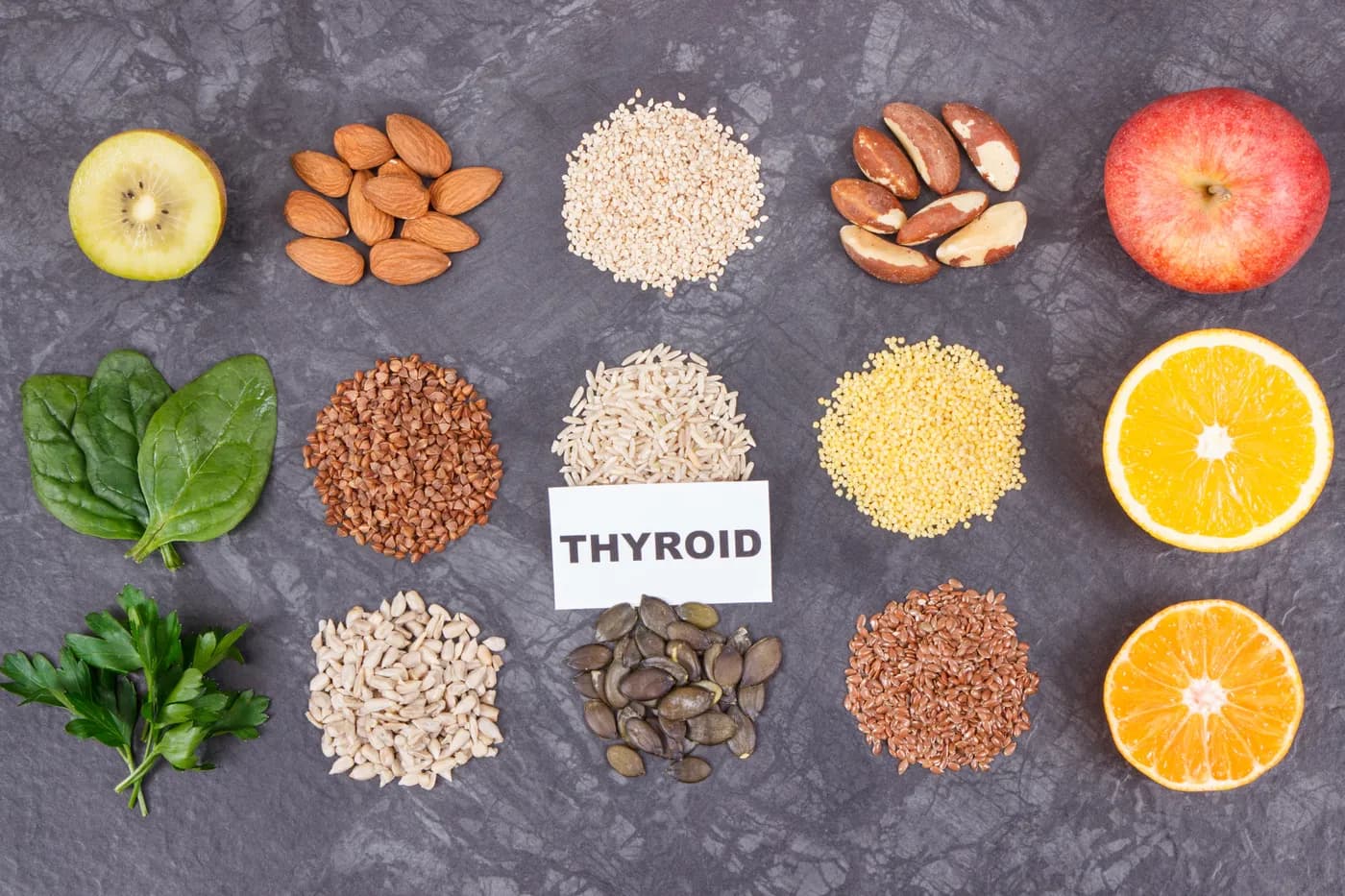
Selenium participates in thyroid biology, yet high-dose supplements can be toxic and are not routine treatment for everyone. Nuts vary greatly in selenium content, making "eat several daily" advice unreliable. Be cautious with "thyroid support" blends as well, since some contain iodine or herbs with uncertain amounts. Tell your doctor about every supplement you take, including biotin, which can interfere with some laboratory tests.
When symptoms continue
Persistent fatigue may reflect anaemia, vitamin B12 deficiency, sleep problems, low mood or another condition. Review the thyroid dose with tests rather than assuming that more medicine or another supplement is needed. Pregnancy, planning a pregnancy or starting new medicines are also good reasons to check in with the treating doctor, because thyroid needs can change.
A realistic Indian plate
Combine vegetables with dal or another vegetarian protein and a measured portion of roti, rice or millet. A simple day might include vegetable poha with peanuts and curd for breakfast (after the advised gap from your tablet), dal, sabzi, salad and roti at lunch, roasted chana or a piece of fruit in the evening, and paneer or tofu with vegetables and millet roti for dinner. Repeatable meals like these are more helpful than an expensive thyroid detox menu, and a sustainable hypothyroidism diet is one you can follow alongside your medicine for years.
Editorial sources
Frequently Asked Questions
Related Articles
Yoga Poses for Thyroid (Shoulder Stand and Thyroid Asanas): Steps, Benefits & Precautions
Poses that stretch, compress, or invert the neck are thought to stimulate circulation around the thyroid gland at the base of the throat. See the poses.

Zinc Rich Foods: The Best Vegetarian and Vegan Sources
Your body can’t store zinc for long, so it needs a steady daily supply from food. See the best vegetarian and vegan sources — no meat or seafood required.


Vitamins to Balance Hormones for Females: What Actually Helps
‘Hormone balance’ gets used loosely in marketing, but B vitamins, magnesium, omega-3s, and vitamin D do support the systems involved in hormone.