
Infused Water: Benefits, Ideas and Safety
Infused water is plain water flavoured with pieces of fruit, vegetables, herbs or spices.
Key Takeaways
- Infused water is plain water flavoured with pieces of fruit, vegetables, herbs or spices.
- It may help someone drink more water when they dislike plain water.
- It does not cleanse the liver, burn fat or replace whole fruit, which supplies more fibre.
- Sipping acidic citrus water continuously may aggravate reflux or contribute to enamel erosion.
Infused water is plain water flavoured with pieces of fruit, vegetables, herbs or spices. Its main value is hydration and flavour, not detoxification or meaningful vitamin intake. This guide examines infused water with practical context and without exaggerated promises.
What matters most about infused water
It may help someone drink more water when they dislike plain water. It does not cleanse the liver, burn fat or replace whole fruit, which supplies substantially more fibre. Interpret the finding according to the amount of infused water benefits used and the people who were studied.
Evidence, uncertainty and infused water
Claims surrounding infused water often combine several kinds of evidence. Nutrient composition can describe what something contains, while a clinical trial is needed to test a treatment effect. Laboratory and animal work may guide future research, but it cannot by itself predict a benefit for people.
Marketing around infused water benefits may emphasise one attractive property while ignoring serving size and context. A food can be nutritious without being therapeutic, and a supplement can contain an active compound without producing a meaningful result. That distinction keeps expectations realistic.
Practical hydration choices involving infused water benefits
- Add lemon and mint or cucumber and basil.
- Keep prepared water refrigerated.
- Use clean produce and utensils.
- Choose unsweetened infusions instead of sugary drinks.
Introduce infused water without turning it into the centre of the diet or routine. Pair it with established habits, avoid stacking similar products, and judge the complete pattern. A small possible advantage rarely outweighs poor sleep, inadequate nutrition or delayed medical care.
Quantity, timing and preparation
The amount and timing of infused water benefits should reflect thirst, weather, activity and health needs. Check sugar, sodium, caffeine and acidity when it is packaged. Homemade versions need clean utensils, safe water and refrigeration; a drink left warm for hours should be discarded.
Possible drawbacks and warning signs
Discard water left at room temperature for prolonged periods. Acidic additions may aggravate reflux or contribute to enamel erosion when sipped continuously. Avoid ingredients that trigger allergy.
Potential problems with infused water may involve allergy, digestive tolerance, medicine interactions or excessive intake. Do not use it to postpone diagnosis or alter prescribed treatment. Show a clinician the exact product label when asking about safety.
What infused water actually offers
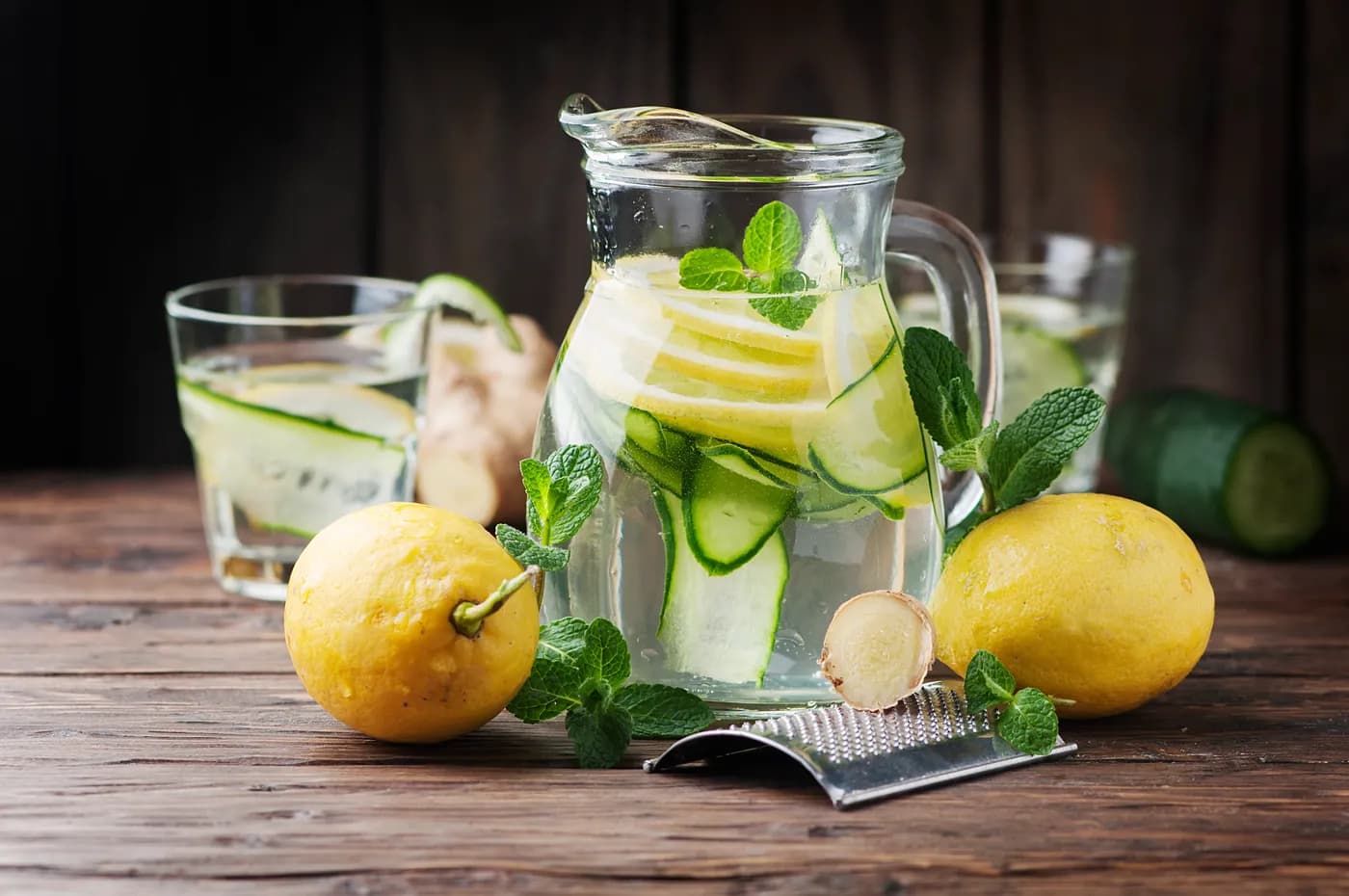
Infused water is mainly a flavourful way to drink plain water. Lemon, cucumber, mint, basil, ginger or berries may add aroma and a small amount of nutrients, but most of the fruit’s fibre and nourishment remain in the pieces. The drink does not flush toxins, cleanse the liver or melt body fat. Its real advantage is simple: someone who dislikes plain water may drink more when it tastes pleasant.
Making it safely at home
Wash produce and utensils, use safe drinking water and prepare only what you can refrigerate. Keep the jug covered and chilled, and make a fresh batch regularly rather than repeatedly topping up old fruit. Discard it if the flavour, smell or appearance changes. Citrus peel can taste bitter after a long soak, while delicate herbs may become limp; shorter infusion times often taste fresher.
Teeth, reflux and packaged versions
Frequently sipping acidic lemon or orange water can expose teeth to acid for long periods. Drink it with meals or in a shorter sitting, avoid brushing immediately afterwards, and use plain water during the rest of the day. Citrus, mint or ginger may worsen reflux for some people. Bottled “detox” waters may contain sugar, sweeteners or sodium, so check the ingredient list rather than relying on the name.
Keep hydration uncomplicated
Infused water benefits are modest but practical when the drink replaces a sugary beverage or makes hydration easier. Plain water remains equally valid, and whole fruit is the better choice when fibre and fullness are the goal. Choose combinations you enjoy, skip ingredients that cause discomfort, and treat the drink as refreshment—not a treatment or compulsory wellness ritual.
Flavour combinations that stay simple
Try cucumber with mint, lemon with ginger, orange with basil, or a few crushed berries with plain water. Stronger flavour usually comes from slicing ingredients thinly or gently bruising herbs rather than adding more fruit. Avoid adding large amounts of honey, syrup or fruit juice, which changes the drink from low-sugar water into a sweet beverage. For gatherings, label the ingredients so that people with allergies can choose safely. These habits preserve the practical infused water benefits without turning the recipe into a complicated cleanse.
How much should you drink
There is no special litre target created by infused water benefits. Fluid needs change with body size, weather, pregnancy, illness, exercise and medical conditions. Thirst and urine colour can offer rough everyday clues, but people with kidney, heart or liver conditions may have prescribed limits that override general advice. Carrying a reusable bottle can improve convenience, whether it contains plain or flavoured water. If infused water benefits help you replace frequent soft drinks, that is a useful habit. If you already drink enough plain water, adding fruit pieces is optional and does not create extra infused water benefits by itself.
Editorial sources
Frequently Asked Questions
Related Articles

Detox Water for Glowing Skin: Does Infused Water Really Work?
Detox water doesn’t flush toxins from under your skin — what it actually does is make water more appealing to drink, and that hydration does support skin.


Vegetarian protein: needs, myths and meal planning
Vegetarian meals can provide enough protein. Learn practical needs, simple Indian food sources, common myths and an easy meal-planning method.

High-Fibre Foods: Simple Indian Meal Ideas
Find high-fibre Indian foods, easy meal ideas, gradual intake tips and practical advice for constipation and daily health.