
Sugar Substitutes: Types, Uses and Safety
Sugar substitutes include intense sweeteners, sugar alcohols and low-energy sugars. Compare the main types and how to choose one sensibly.
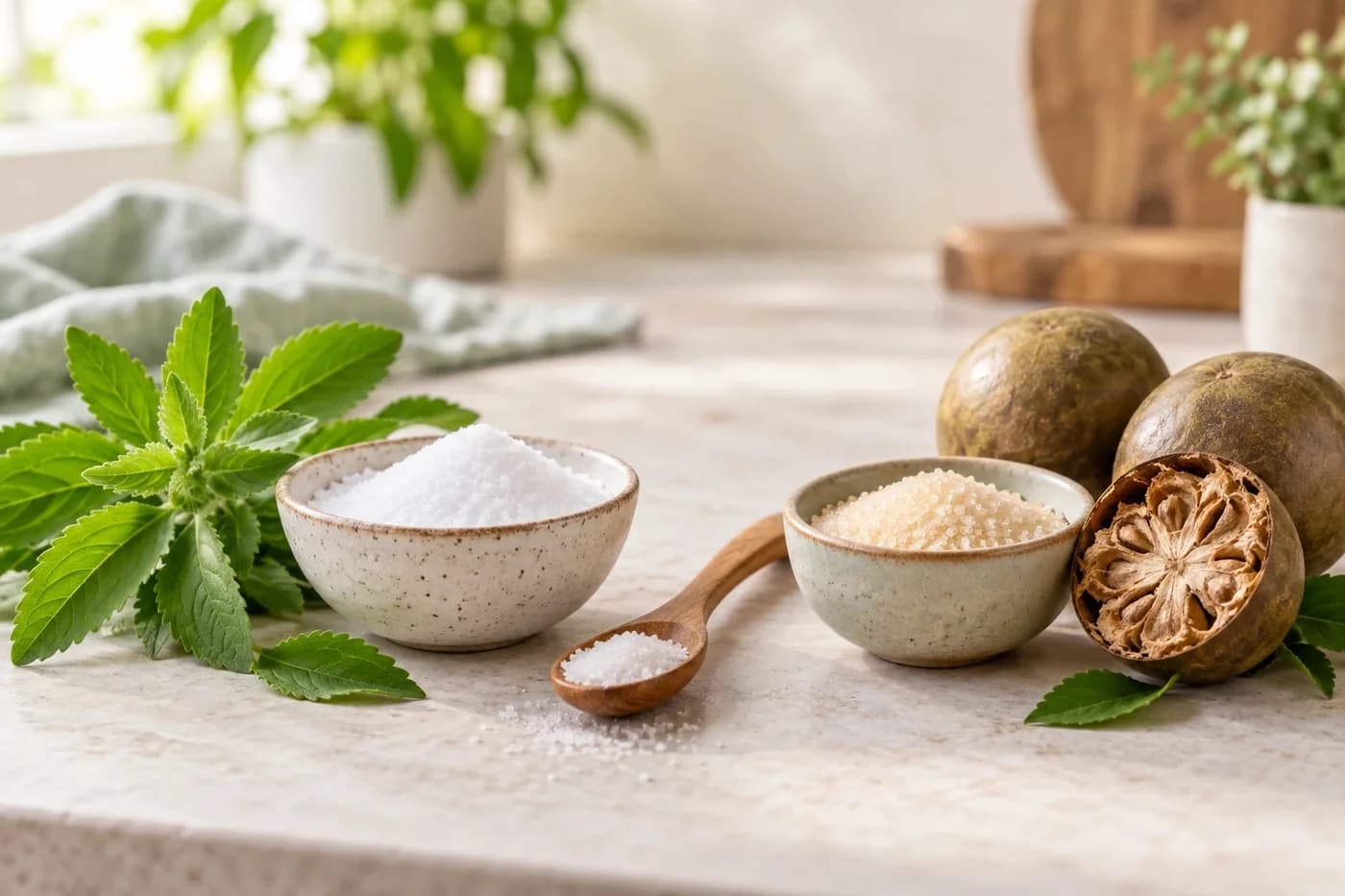
Key Takeaways
- High-intensity sweeteners and sugar alcohols are different groups with different effects.
- Sugar alcohols can cause gas or diarrhoea when eaten in larger amounts.
- Approved sweeteners are assessed for specific uses and intake limits.
- Less-sweet foods and plain water remain simple, useful options.
Sugar substitutes include high-intensity sweeteners, sugar alcohols and newer low-energy sugars. They differ in sweetness, calories, digestion and cooking behaviour. Replacing added sugar can be useful, but a "sugar-free" label does not make a food nutritious or carbohydrate-free. The right choice depends on the job, the amount, your tolerance and the complete ingredient list.
This guide is an overview of the main types. For individual sweeteners, see our detailed articles on sucralose, monk fruit, stevia and sorbitol.
What types of sugar substitutes are there?
High-intensity sweeteners
Sucralose, stevia glycosides, aspartame, acesulfame potassium and monk fruit extracts are many times sweeter than sugar, so only tiny amounts are needed. Tabletop packets therefore contain bulking agents to make them easy to measure. Each sweetener has different heat stability, aftertaste, safety data and labelling rules.
Sugar alcohols (polyols)
Erythritol, xylitol, sorbitol and maltitol provide bulk and varying amounts of energy. They are only partly absorbed and can cause gas, cramps or loose stools. "Polyol" on a label signals this group, and tolerance depends on both the type and the amount eaten.
Newer low-energy sugars
Some products use sugars that provide less energy than table sugar. They behave differently from both intense sweeteners and polyols, so read the full label rather than assuming they work like either group.
Do sugar substitutes raise blood glucose?
High-intensity sweeteners generally add little direct carbohydrate, while blends and sugar alcohols vary. The bigger issue is often the rest of the food: a sugar-free biscuit, drink or dessert may still contain flour, milk or starch. People with diabetes should check total carbohydrate on the label and assess the whole food, not only the sweetener.
Can they help with weight?
Replacing a frequent sugary drink with an unsweetened or sweetener-based option may lower energy intake. However, people may compensate by eating more elsewhere, and a strong preference for sweet tastes can persist. Observational studies and trials show mixed results depending on context.
Sweeteners are tools, not weight-loss agents. They work best when they replace a specific, repeated source of added sugar.
Are "natural" sweeteners safer?
A natural origin does not guarantee lower risk or better evidence. Stevia and monk fruit products are purified extracts, while honey and jaggery are still sugars and are not substitutes at all. Safety belongs to the exact ingredient and dose, not the story on the front of the pack. For a closer look at what "natural" means on sweetener labels, see our guide to natural sweeteners.
How do sugar substitutes behave in baking?
Sugar provides more than sweetness. It adds volume, browning, moisture and structure. A spoon-for-spoon swap may fail even when the sweetness matches. Use recipes designed for the specific blend you have, and remember that heat stability differs between products.
What should children have?
Children benefit from learning to enjoy a range of flavours rather than having every food intensely sweet. Frequent sweetener use should have a clear reason, and caffeinated diet drinks are not appropriate substitutes for water or milk. Children with specific medical needs, such as diabetes, should have paediatric advice.
How to choose simply
- Identify the one food or drink you want to change, such as tea or a daily soft drink.
- Compare the ingredient lists of a few options.
- Start with a small serving and notice aftertaste and digestion.
- Check whether simply reducing sweetness works for you; that may be easier than replacing every teaspoon of sugar with another product.
When to seek advice
Stop and seek advice if sugar-free products repeatedly cause digestive symptoms. People who are pregnant, managing diabetes or living with a digestive condition may benefit from personalised guidance from a dietitian.
Editorial sources
Frequently Asked Questions
Related Articles
Sucralose: Uses, Safety and What Labels Reveal
What sucralose is, how regulators judge its safety, what packet fillers add and how to use it for a specific job.


Monk Fruit Sweetener: Uses, Blends and Safety
Monk fruit extract is intensely sweet, but most packets are blends. Here is what the label tells you about taste, glucose and digestion.
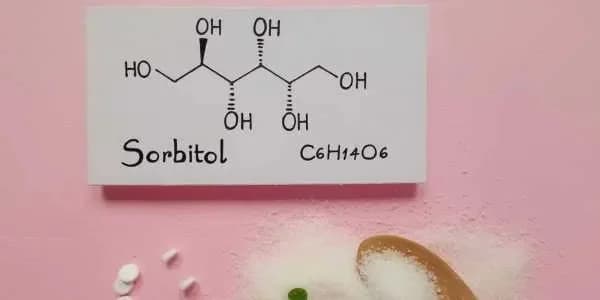
Sorbitol: Uses, Digestive Effects and Label Reading
Sorbitol is a sugar alcohol used in sugar-free foods, medicines and dental products, but larger amounts commonly cause gas or loose stools.