
Is Lemon Acidic or Alkaline? What Lemon's Acidity Means for You
Lemon juice is acidic, not alkalising. Learn what that means for your blood pH, teeth and reflux, and how to enjoy lemon comfortably.

Key Takeaways
- Lemon juice is acidic because of citric acid, even when diluted in water.
- Your kidneys and lungs keep blood pH steady; lemon does not alkalise your body.
- Frequent sipping of lemon drinks can erode enamel; rinse with water, don't brush at once.
- Citrus can trigger heartburn in some people; others tolerate it well.
- Lemon water is not a substitute for ORS during diarrhoea or vomiting.
Yes, lemon is acidic. Lemon juice gets its sharp, sour taste from citric acid, which is why it brightens dal, chaat and salads. That acidity is also why lemon can sting a mouth ulcer, trigger heartburn in some people and affect teeth if you sip it often. Lemon does not make your blood alkaline or detox your body, but it is a useful, flavourful ingredient.
What "acidic" means for lemon
Acidity is measured on the pH scale, where lower numbers are more acidic. Lemon juice sits low on that scale, mainly because of its citric acid. Diluting it in water makes it milder, but the drink is still acidic. For more on the acid itself, see our guide to citric acid.
Does lemon become alkaline in the body?
You may have heard that lemon is "alkaline-forming" once digested. This idea is often used to sell morning lemon water as a reset for the body. In reality, your kidneys and lungs keep the acid-base balance of your blood within a tight range. Food can change the acidity of your urine, but a lemon drink does not change your blood pH or remove toxins. Our article on the alkaline diet explains what food can and cannot change.
What lemon is genuinely good for
Lemon is useful for simpler reasons. A squeeze adds flavour, which can help you use less salt in dal and vegetables. It also provides vitamin C, and vitamin C-rich foods help your body absorb iron from plant foods such as dal, chana and leafy greens when eaten in the same meal.
As a drink, lemon water can make plain water more appealing, and swapping it for a sugary soft drink cuts added sugar. Plain water hydrates you just as well, and there is no need to drink lemon water on an empty stomach or at a set hour. Bottled "lemon drinks" are often sweetened, so judge them by the label. Our guide to lemon water benefits covers the drink in more detail.
Lemon and your teeth
Acidic drinks can soften and wear away tooth enamel when teeth are exposed to them often. A glass of lemon water with a meal is very different from carrying a bottle and sipping it all afternoon.
- Drink it within a normal time rather than sipping for hours.
- Do not swish it around your mouth or hold it before swallowing.
- Rinse with plain water afterwards instead of brushing straight away.
- Keep brushing twice a day with a soft brush and fluoride toothpaste.
Adding honey or sugar does not cancel the acid; it makes the drink both acidic and sugary. If you notice new tooth sensitivity, choose plain water more often and mention it at your next dental visit.
Lemon and heartburn
Citrus fruits are a common trigger for acid reflux, though not everyone reacts to them. If a lemon drink brings a burning feeling in your chest or a sour taste in your throat, stop drinking it because someone called it healthy. Try plain water, or a small amount of lemon in food if you tolerate that better.
Timing matters too. If reflux bothers you at night, finishing meals and large drinks about 3 hours before bed may help. For broader tips, see our guide to acidity home remedies.
Lemon can also sting mouth ulcers or cracked lips, so wait until they heal. Stinging is not an allergy; hives, facial swelling or breathing trouble after a food needs prompt medical care.
When lemon water is not enough
If you have diarrhoea or are vomiting, lemon water is not a substitute for oral rehydration solution (ORS). ORS is a specific mix of clean water, salt and sugar designed to replace lost fluid and salts, so use it when needed.
People prone to kidney stones may get individual advice about fluids and diet. The main step for most is drinking enough fluid, mainly water. Follow your doctor's plan rather than drinking concentrated lemon juice on your own.
Editorial sources
Frequently Asked Questions
Related Articles

Lemon Water Benefits: Hydration, Vitamin C and Dental Safety
Lemon water is simply water with lemon juice or slices, and its main value is helping some people drink more water. Learn dental safety.


Lemon Benefits: Nutrition, Uses and Safety
Lemon adds acidity, aroma and vitamin C to meals. Learn about practical uses, portions and safety.


Alkaline Diet: What Food Can and Cannot Change
The alkaline diet encourages fruit and vegetables, but food does not meaningfully change blood pH in a healthy body.
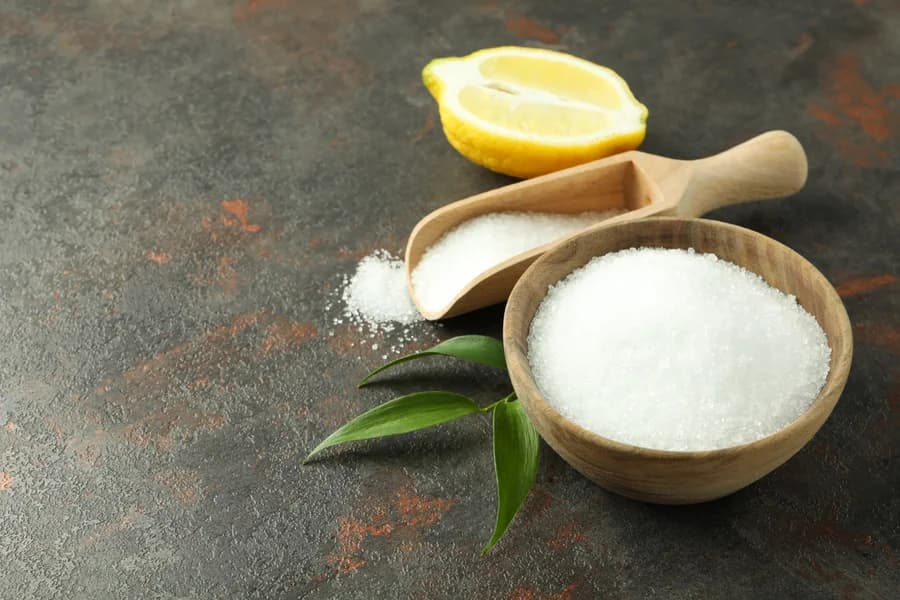
Citric Acid: Food Uses, Safety and Common Questions
This acid occurs naturally in citrus fruit and is also manufactured for use as an acidulant, preservative aid and flavouring.

Acidity Home Remedies (Heartburn & GERD Relief Guide)
Acidity is a burning sensation in the chest or throat after eating, caused by stomach acid moving up the food pipe. See home remedies for instant relief.