
Jaggery Nutrition: Uses and Sugar Facts
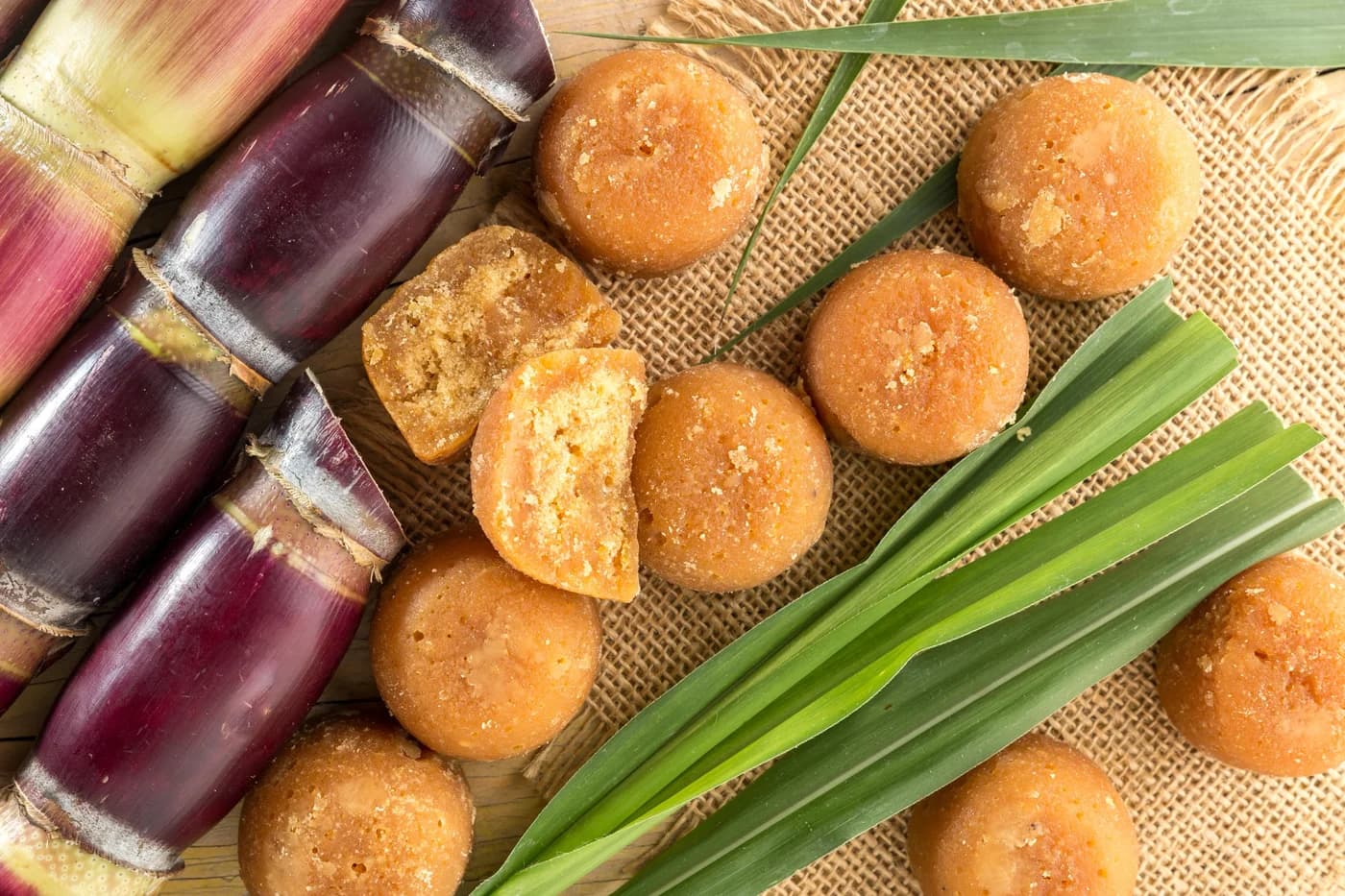
Jaggery is concentrated cane or palm juice sold as blocks, granules or syrup. It has a caramel-like flavour but is still mainly sugar.
Key Takeaways
- Jaggery is concentrated sugarcane juice or palm sap, sold as blocks, granules, powder or syrup.
- It is still mainly sugar; its small, variable mineral content does not make it a health supplement.
- Jaggery raises blood glucose and affects teeth much like other added sugars, so measure it.
- Buy from trusted, labelled sources and store it airtight, as it absorbs moisture readily.
Jaggery is concentrated cane or palm juice sold as blocks, granules or syrup. It has a caramel-like flavour and retains small amounts of minerals, but it is still mainly sugar. This guide looks at jaggery nutrition in practical terms: how it is made, what a typical portion contains, its traditional uses and the safety points worth knowing.
What jaggery is
Jaggery, or gur, is an unrefined sweetener made by concentrating sugarcane juice or palm sap. It contains mostly sugar, with small and variable amounts of minerals. Its deeper flavour suits sweets, drinks and savoury recipes, but it affects blood glucose and dental health much like other added sugars.
How jaggery is made
Sugarcane is crushed to extract juice, which is boiled in wide, shallow pans. As it heats, impurities rise to the surface and are skimmed off, and some producers add clarifying agents to help this step. The juice is boiled down until it is thick enough to set, then poured into moulds to form blocks, or stirred as it cools to make granules or powder.
Palm jaggery is made in a similar way from the sap of palms such as the date or palmyra palm. In Bengal, date palm jaggery made in winter is known as nolen gur. Because the molasses is not separated out as it is in refined sugar production, jaggery keeps its brown colour, caramel taste and a small share of the minerals present in the original juice.
Blocks, granules, powder and syrup
Jaggery is sold as hard blocks, soft cakes, granules, powder and liquid syrup. Moisture and processing affect texture, colour and flavour, but darker jaggery is not automatically richer in minerals. Powder is easier to measure; blocks often need grating or dissolving; syrup changes the liquid balance in recipes.
Jaggery nutrition per typical portion
By weight, jaggery is mostly sucrose, with some glucose and fructose and a little moisture. Its energy content is broadly similar to that of table sugar. Unlike white sugar, it keeps small amounts of iron, potassium, magnesium and calcium, but these vary widely with the cane or palm, the soil and the processing.
In a typical portion, such as a teaspoon stirred into tea or a small piece after a meal, those minerals add up to only a small fraction of daily needs. Getting a meaningful amount of iron from jaggery would mean eating a large amount of sugar. Leafy greens, pulses, millets and other iron-rich foods are far better sources, so jaggery nutrition is best judged as a flavour choice, not a supplement.
Traditional uses and cooking with its deep flavour
Jaggery is part of many regional food traditions. It sweetens chikki, til laddoo, payasam and kheer, balances sourness in tamarind chutney, sambar and Gujarati dal, and appears in festival foods such as Makar Sankranti sweets. A small piece after a meal is also a common habit in many homes.
A few kitchen points help. Grate or powder the amount you need and measure it rather than breaking off pieces by eye. When adding jaggery to milk-based dishes such as kheer, let the milk cool slightly first, as hot jaggery can sometimes curdle milk. If a block contains grit, dissolve it in a little water and strain before use.
Why it is not a health supplement
Jaggery is often described as a healthier sugar, but the evidence does not support using it as a remedy. It raises blood glucose, so people with diabetes or prediabetes should count it as added sugar. Frequent sugary foods and drinks also increase the risk of tooth decay. Jaggery is not a meaningful treatment for anaemia, and anyone with suspected anaemia should see a doctor rather than rely on sweets. Swapping sugar for jaggery may change the flavour, but it does not turn a sweet dish into a health food.
Quality, adulteration and storage
Adulteration of jaggery with colours or other substances has been reported, and poor processing can leave dirt or grit. Very bright yellow jaggery may have been treated to improve its appearance, so colour alone is not a reliable guide to quality. Buy from trusted sources, choose labelled products with a food-safety licence number where possible, and avoid jaggery that smells sour or fermented.
Jaggery absorbs moisture and becomes sticky or develops mould in humid conditions. Store it in an airtight container in a cool, dry place, and use a dry spoon each time.
How it fits a balanced routine
The WHO advises limiting free sugars, and jaggery counts as one of them. Understanding jaggery nutrition makes it easier to enjoy it for what it is: an occasional, measured sweetener in traditional foods and festive sweets, eaten alongside meals built around vegetables, pulses, whole grains and protein foods.
Editorial sources
Frequently Asked Questions
Related Articles
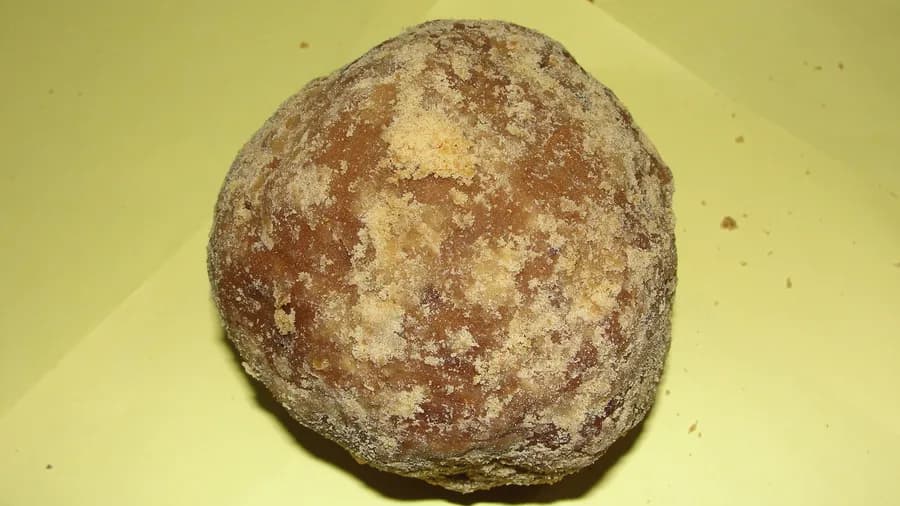
Jaggery vs Sugar: Which Sweetener Is Actually Healthier?
Jaggery is often seen as the natural, guilt-free option, but nutritionally that’s only partly true — both are concentrated carbohydrates that affect.

Iron Rich Foods: The Complete Vegetarian Food List
Lentils, chickpeas, dark leafy greens, jaggery, and seeds cover the full daily iron requirement for most people — no meat or fish needed. See the.
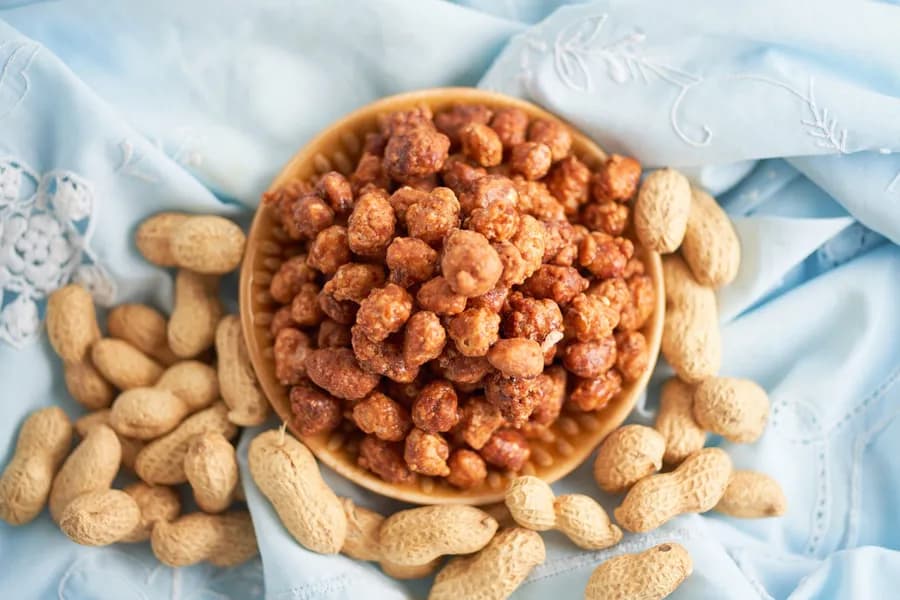
Peanuts and Jaggery: Simple Gud Moongfali Snack
Roasted peanuts and a small piece of jaggery make a familiar, portion-controlled Indian snack — crunchy, sweet, and quick. See the full recipe.