
Rice vs Roti for Weight Loss: What the Science Actually Says
Neither rice nor roti is inherently fattening or slimming — portion size, what you pair it with, and how it’s cooked matter far more than the grain.

Key Takeaways
- Neither food is inherently fattening – portion size and what you pair it with matter more.
- Whole wheat roti keeps its bran, giving it more fibre than milled white rice.
- Two rotis and one cup of rice often land in a similar calorie range once oil is added.
- Brown, red, or millet-based rice closes most of the fibre gap with roti.
- Pairing either staple with protein and vegetables slows digestion and eases the tradeoff.
If you’re trying to shed a few kilos, the rice vs roti for weight loss debate has probably come up at your dinner table more than once. The honest, evidence-based answer is that neither food is inherently fattening or magically slimming — portion size, what you pair it with, and how it’s cooked matter far more than the grain itself.
Rice vs Roti for Weight Loss: A Quick Comparison
Here’s how they stack up when compared like-for-like:
| Factor | Roti (1 medium, whole wheat) | Rice (1 cup cooked, white) |
| --- | --- | --- |
| Calories | ~80-100 kcal | ~190-200 kcal |
| Fibre | ~2-3 g | ~0.6 g |
| Glycemic Index | Medium (~55-62) | High (~70-89) |
| Satiety | Higher, due to fibre and chewing | Lower, unless paired with protein or vegetables |
| Prep time | Moderate | Quick |
Whole wheat roti retains the wheat bran, which is where most of the fibre lives. White rice is milled and polished, stripping away the bran and germ, so it digests faster and spikes blood sugar more sharply than roti. This single fibre gap is at the heart of the rice vs roti for weight loss conversation.
Why Fibre and Glycemic Index Matter More Than You Think
Fibre slows down digestion, which means a steadier release of glucose into the bloodstream and a longer-lasting feeling of fullness. This is the biggest practical difference between the two staples: roti’s fibre content generally keeps hunger at bay for longer, while a bowl of plain white rice can leave you reaching for a snack within the hour. That said, brown rice, red rice, and millet-based options close this gap considerably, since they keep their bran intact just like whole wheat flour does. It’s this fibre gap, more than anything else, that tips the rice vs roti for weight loss scale in roti’s favour on paper.
Rice vs Roti for Weight Loss: Does Portion Size Matter More?
This is where most people get it wrong. Two rotis and one cup of rice often land in a similar calorie range once you factor in ghee, oil, or butter added during cooking. The real driver of weight gain isn’t rice or roti in isolation — it’s eating three cups of rice with a rich, oily curry, or five ghee-laden rotis at one sitting. If your goal is fat loss, watching your overall plate size and the quality of your dal, sabzi, or protein source will move the needle more than swapping one staple for the other. When you zoom out, rice vs roti for weight loss really comes down to portion control and what’s on the rest of your plate.
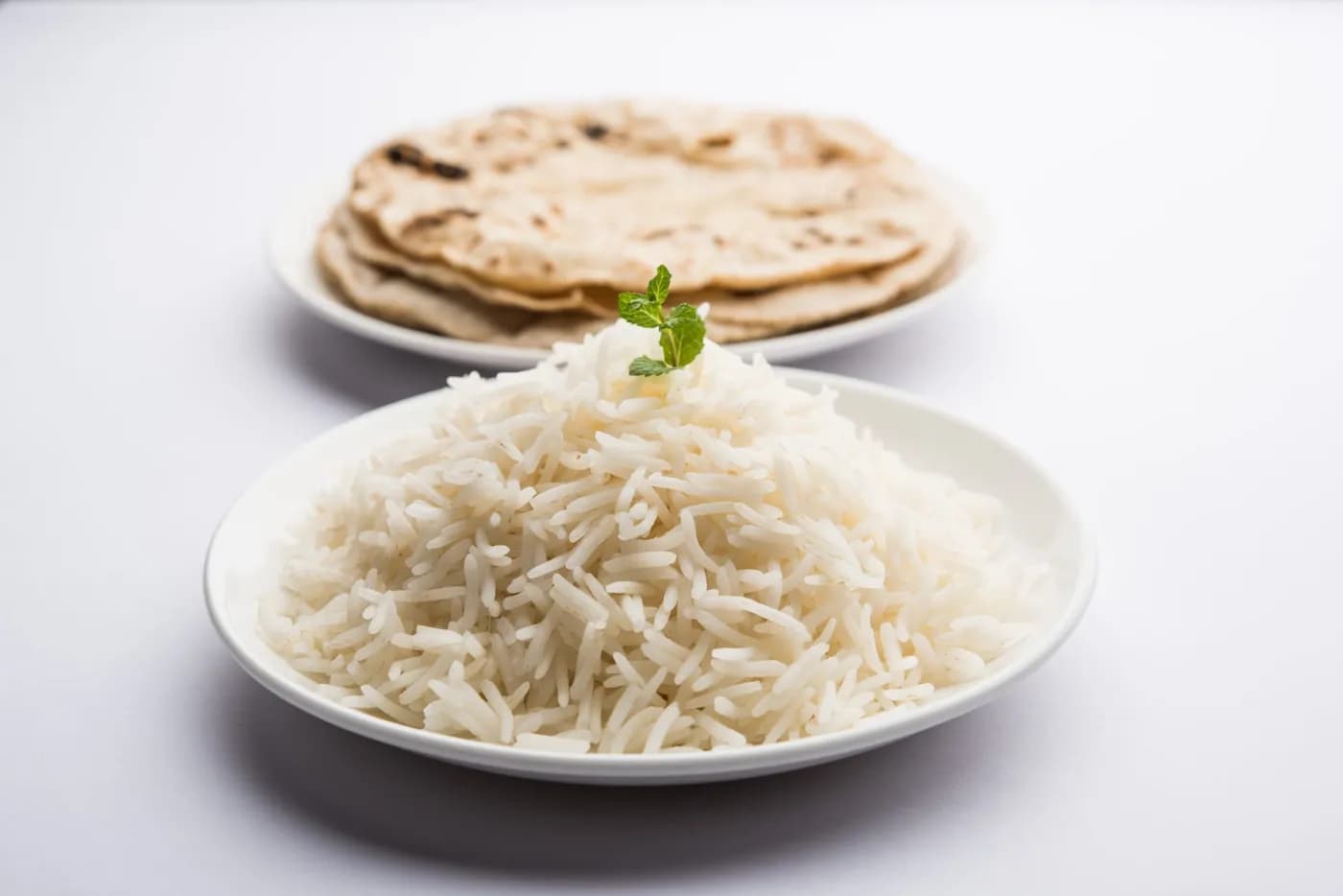
Photo: kawanet, CC BY 2.0, via Openverse (Flickr)
Making Either Choice Work For You
You don’t have to give up either food to win the rice vs roti for weight loss battle. A few practical adjustments help:
- Swap white rice for brown, red, or hand-pounded rice when you can — the fibre bump improves satiety.
- Choose multigrain or millet-mixed atta for roti instead of refined maida-blended flour.
- Keep portions moderate: one cup of rice or two medium rotis per meal is a reasonable baseline for most adults.
- Always pair either staple with protein (dal, paneer, tofu, or sprouts) and vegetables to slow digestion and improve fullness.
- Go easy on visible oil or ghee, since that’s often where the extra calories hide.
The same portion-first thinking applies to other kitchen swaps too — Jaggery vs Sugar and Chia Seed Versus Flaxseed tackle similar head-to-head questions if you’re trying to fine-tune the rest of your plate.
Common Mistakes People Make in the Rice vs Roti for Weight Loss Debate
The most common mistake is treating this as an all-or-nothing choice — completely cutting out rice or roti rarely works long-term and often leads to bingeing later. Another mistake is ignoring what’s cooked alongside the staple: a small bowl of rice with dal, sabzi, and salad is often lighter than two rotis soaked in butter or paired with a rich, creamy curry. People also underestimate portion creep — a “small” bowl of rice at a restaurant or wedding can easily be double a standard home serving, throwing off the rice vs roti for weight loss math even when the grain choice itself was reasonable. Finally, some assume brown rice or multigrain roti can be eaten in unlimited quantity just because they’re “healthier” versions — extra fibre helps, but the calories still add up if portions aren’t watched.
Does It Matter for Diabetes or PCOS?
For blood sugar management specifically, roti’s lower glycemic index gives it a modest edge over white rice, but the rice vs roti for weight loss logic shifts slightly here — pairing either staple with protein, fibre, and healthy fat matters more than the grain alone for flattening a glucose spike. Brown rice, red rice, or millet-based rotis narrow this gap considerably and are worth prioritizing if you’re managing diabetes or PCOS alongside weight goals. As always, portion size and what surrounds the staple on your plate remain the bigger levers than the rice vs roti for weight loss choice in isolation.
Frequently Asked Questions
Related Articles

Does Lifting Weights Burn Belly Fat? Here’s How
Weight training changes how your body stores and uses fat over time, not just how many calories you burn in a single session. See the science, exercises.


Yoga for Weight Loss for Women: Poses, Routine & Tips That Actually Work
Dynamic poses, breathwork, and mindfulness support gradual, sustainable weight management — no gym, equipment, or prior fitness experience needed. See.

Does Yoga Reduce Belly Fat? What Actually Works
Not through spot reduction, but by strengthening the core, lowering cortisol, and improving digestion — yoga can meaningfully support fat loss around the.