
Junk Food List: What to Limit and What to Eat More Often
Use a food list to improve everyday habits without guilt or unnecessary bans on convenient foods.

Key Takeaways
- Junk food is not a precise nutrition category.
- Look at the overall pattern, not one snack.
- Make the easier, more nourishing option available.
- Avoid passing food guilt on to children.
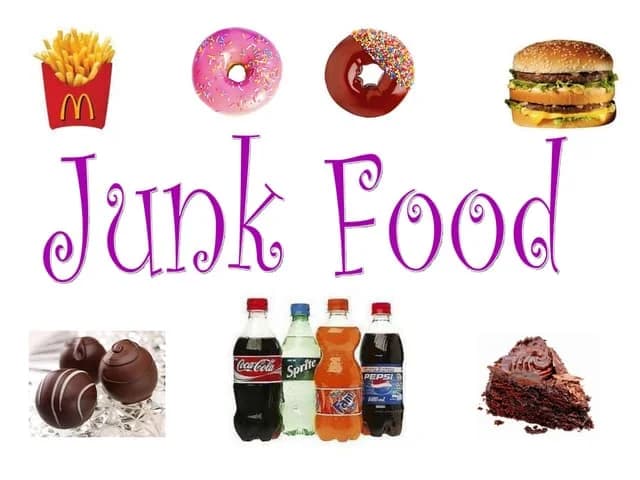
“Junk food” is a familiar phrase, but it is not a precise nutritional category. People usually use it for foods that provide a lot of salt, added sugar or fat while offering relatively little fibre or other useful nourishment. A list can help you recognise common patterns, as long as it does not turn into a rule that one snack makes your whole diet bad.
Think about the pattern, not a food's reputation
The main concern is frequent reliance on foods that crowd out balanced meals. A packet of chips at a party is different from using chips and a sweetened drink as lunch most days.
Preparation and portion matter too. A homemade food can still be heavily fried or sweetened, while a convenient packaged food can sometimes make a nutritious meal easier.
Use this list to find changes that repeat in your routine. You do not need to classify every item in the kitchen before eating or avoid a food forever because it appears in one category.
Sweetened drinks
Soft drinks, sweetened juices, large syrup-based coffees, sugary energy drinks and frequent sweetened tea can add substantial free sugar without much food substance.
Begin with the drink you have most often. Water can be the usual thirst choice, while tea or coffee can be made less sweet gradually. A small favourite drink can remain an occasional choice.
Do not assume a fruit picture or an immunity claim changes the sugar in a beverage. Whole fruit is a different food from a sweet fruit drink, and drinking several glasses is easier than eating the equivalent amount of fruit.
Fried and heavily salted snacks
Chips, many namkeens, fried snack mixtures and large routine servings of pakoras or similar foods can contribute a lot of energy or salt. The amount and frequency determine how much they influence the day.
For a regular hungry gap, consider something more substantial: roasted chana, plain curd, a sandwich or fruit with a suitable addition. Choose a snack that actually meets your appetite.
If you want the fried snack, serve a portion and enjoy it. Adding a second food may make it a more satisfying occasion than repeatedly eating from a large packet while still searching for a meal.
Biscuits, cakes and sweet bakery foods
Biscuits and bakery snacks are easy to eat repeatedly with tea. Some supply considerable sugar and fat while containing less fibre or protein than their wholesome-looking packaging suggests.
A brown colour, oats on the packet or the word digestive does not make every biscuit an ideal everyday meal. The product and serving matter.
If tea and biscuits routinely replace breakfast, add real food rather than simply buying a different biscuit. A prepared breakfast, a small filled roti or curd with fruit may solve the hunger more effectively.
Sweets, chocolates and rich desserts
Mithai, chocolate, ice cream and rich desserts are enjoyable foods, but large frequent portions can add substantial sugar or saturated fat. They do not have to be banned to be kept in perspective.
Choose the sweet you want and serve an amount you can enjoy deliberately. There is no need to eat several alternatives first in an attempt to avoid it.
Festival and family occasions can fit. Return to regular meals afterwards instead of skipping food to compensate. A flexible routine is more useful than alternating strict avoidance with feeling that the whole plan has been ruined.
Convenience meals and fast food
Large fast-food meals, some instant noodles and ready-to-eat combinations can be high in sodium, energy or saturated fat. But the category is broad: not every sandwich or ready food has the same composition.
Look for a meaningful protein component and vegetables, and choose the amount of bread, rice or noodles according to appetite. Use sauces and salty sides intentionally rather than accepting every extra automatically.
For an instant meal at home, vegetables and tofu or beans can add substance. This does not remove all the sodium already present, but it can improve what the meal provides. Practical improvement is still worthwhile when cooking from scratch is unrealistic.
Foods that should not be dismissed automatically
Plain frozen vegetables, canned beans, ordinary curd and wholegrain bread may be processed or packaged, but can be useful foods. Processing alone does not tell you whether a food deserves to be avoided.
Even the term ultra-processed covers products with different nutritional roles. It can help describe research patterns, but a rigid ban can make ordinary shopping unnecessarily difficult.
Keep the decision tied to the meal. A packaged ingredient that helps you eat pulses or vegetables can serve a different role from a snack that regularly replaces them.
Make the easier option available
Many repeated snack choices are about convenience. If the only ready food at home is a biscuit packet, a long list of alternatives will not help unless some are actually available.
Keep one or two realistic options: fruit you will eat, a portion of cooked chana, curd or ingredients for a quick sandwich. Choose according to storage, budget and the time you have.
You do not need a fridge full of elaborate snack boxes. The aim is to reduce the moments when hunger meets no workable food, especially during a commute, a late workday or a rushed morning.
Do not pass food guilt to children
Children benefit from regular meals, varied food and adults who offer guidance without turning sweets into a moral test. Calling a child bad for enjoying a snack is not useful nutrition teaching.
Keep ordinary foods available and make occasional treats part of a calm routine. Avoid using a strict forbidden-food rule as the only strategy.
For adults too, the best change is usually specific. Reduce one frequent sugary drink, make lunch more substantial or portion a salty snack. A “junk food list” becomes useful when it helps you eat better more often, rather than judge every bite.
Editorial sources
Frequently Asked Questions
Related Articles

Added Sugar: Side Effects, Limits and Easy Ways to Cut Back
Added sugar can quietly become a big part of your day. Here is what too much can do and how to cut back without making life miserable.

Murmura Bhel: Healthy Puffed Rice Snack Recipe
Puffed rice, chopped vegetables, roasted peanuts, and lemon make a quick, crunchy snack — best mixed and eaten right away. See the full recipe.

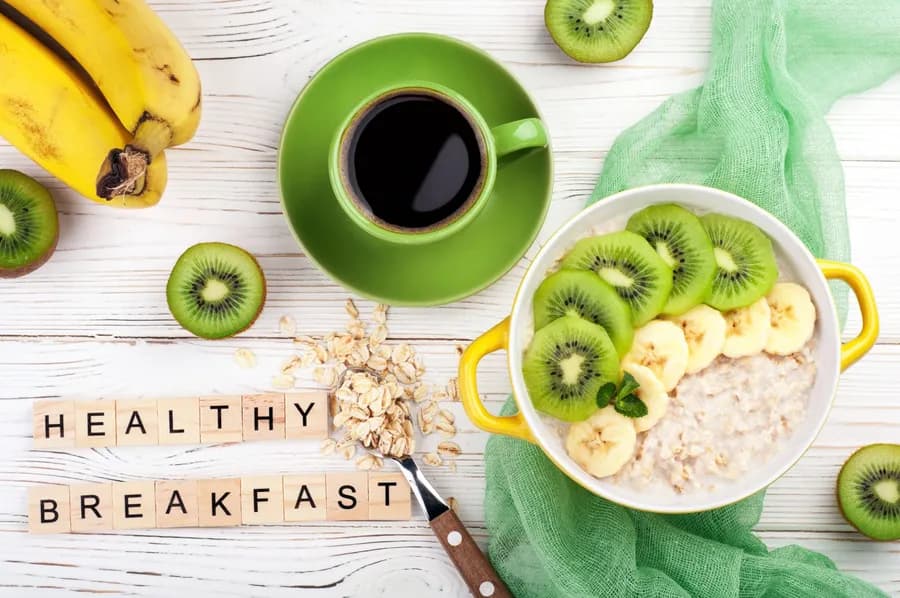
Healthy Breakfast Options: What Actually Makes a Breakfast Good for You
A good breakfast has enough protein to keep you full, enough fibre to steady blood sugar, and not much added sugar — most packaged cereals and bakery.
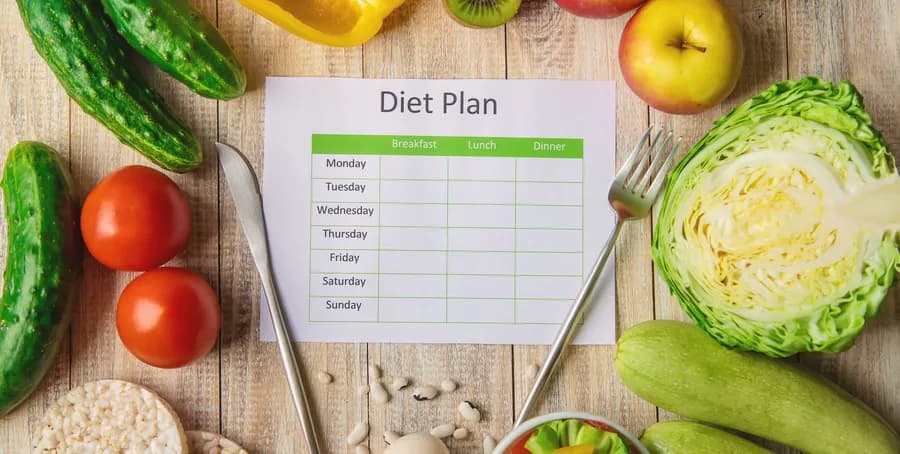
Balanced Diet Chart for a Week: A Practical Example for Indian Households
A balanced diet chart is easiest to understand as a template, not a timetable — a way of thinking about protein, fibre, carbs, and fat across your meals..