
Kale: Nutrition, Portions and Easy Indian-Friendly Uses
What kale offers, whether to eat it raw or cooked, who needs caution, and simple Indian-style ways to use it or swap in local greens.
Key Takeaways
- Kale is rich in vitamin K, vitamin C and carotenoids, with fibre and some calcium.
- Cooking shrinks volume and softens fibre; a little oil helps carotenoid absorption.
- On warfarin? Keep vitamin K intake consistent rather than cutting out greens.
- Sarson, bathua, chaulai and spinach are equally useful, cheaper local greens.
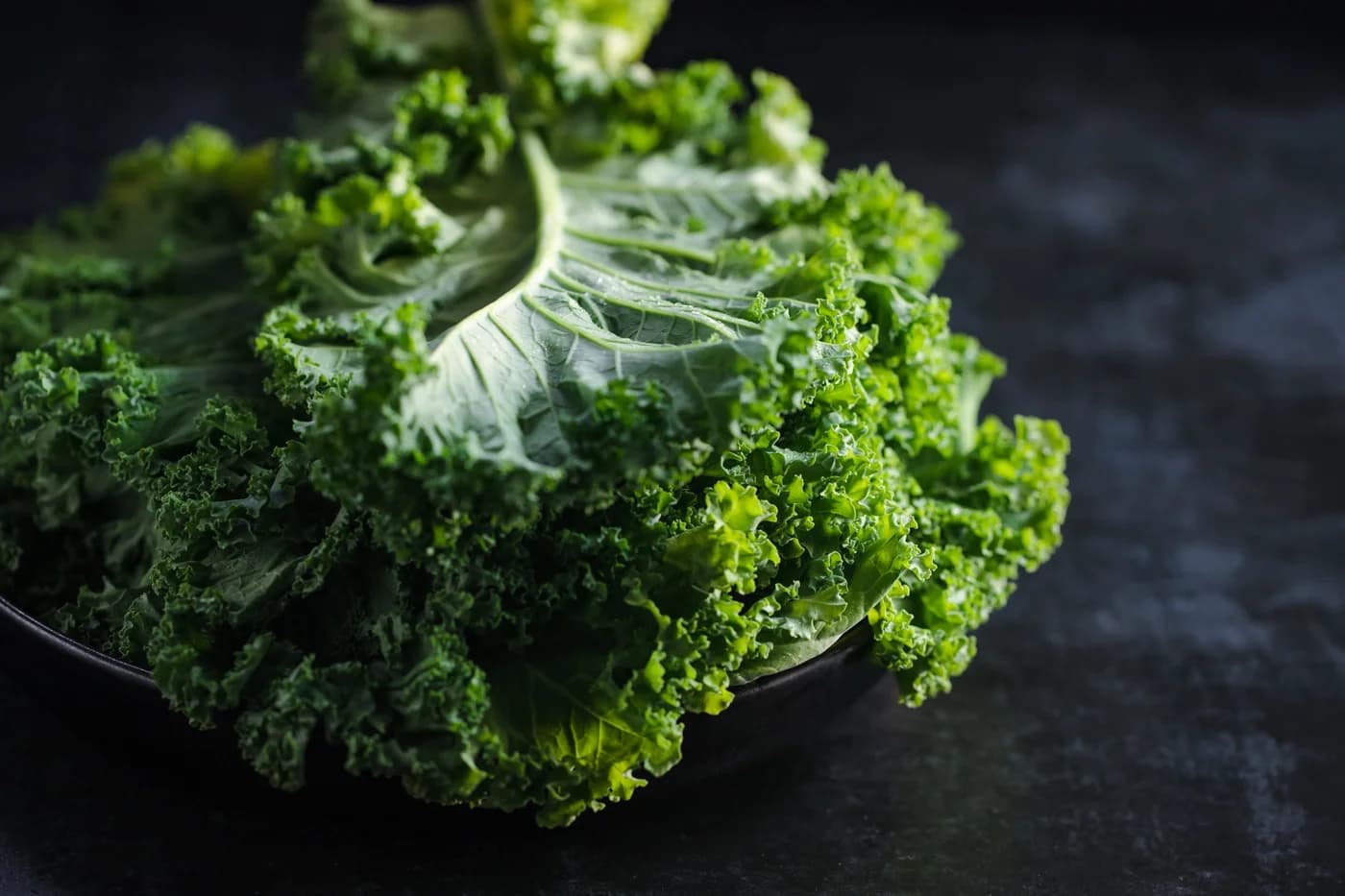
Kale is a dark leafy vegetable rich in vitamin K, carotenoids and vitamin C, with fibre, folate and calcium in smaller amounts. It is nutritious, but it is not compulsory: mustard greens, amaranth leaves, spinach and cabbage can play similar roles in a varied diet. The best kale is the portion you enjoy and digest, prepared safely and without a superfood price tag.
What does kale offer?
Raw kale is bulky and low in energy; cooked kale becomes more concentrated by volume. It provides beta-carotene and lutein along with vitamins C and K. Its calcium is relatively well absorbed compared with some higher-oxalate greens, although one serving does not replace the rest of a calcium plan.
Raw or cooked?
Raw kale keeps a crisp texture and more of the heat-sensitive vitamin C. Steaming or sauteing softens the fibre, reduces volume and, with a little fat, may improve carotenoid availability. Both forms can fit. Use any cooking liquid in soup or dal when practical.
How to make kale taste good
Remove thick stems if they are fibrous, slice the leaves finely and massage salad kale with lemon and a little oil. For cooked dishes, saute with garlic, add to chana or fold into mixed saag. Younger leaves need less cooking. Taste and texture decide whether the habit lasts.
Turning one bunch into three meals
Use the tender leaves in a lemony salad, saute the larger leaves with garlic to go with dal, and finely chop the stems into soup if they are not too fibrous. Preparing the bunch soon after buying reduces waste. Pairing kale with pulses or tofu creates a fuller meal, and a small amount of oil helps absorb its carotenoids. If the household dislikes the taste, use a local green instead.
Buying, washing and storing kale
Choose crisp, deeply coloured leaves without slime or a sour smell. Rinse under running water, rub away visible dirt and dry before storing or cooking. Soap and household disinfectants do not belong on produce. Refrigerate the leaves dry and use them while fresh.
Smoothies and kale chips
Blending does not remove fibre, but it makes a large amount easy to consume quickly and can concentrate vitamin K and potassium. Fruit-heavy smoothies may also carry more carbohydrate than expected, so use a modest handful of kale and treat the drink as part of a meal, not an extra.
Baked kale chips can be an enjoyable snack, but oil, salt and portion change the picture. A large bowl of raw leaves shrinks dramatically, so several servings can disappear quickly as chips. Brush lightly with oil, spread in one layer and stop before the leaves char. Keep softer cooked greens in the week too.
When does kale need caution?
Warfarin and vitamin K
Vitamin K supports blood clotting and bone proteins. People taking warfarin are usually advised to keep their vitamin K intake consistent rather than cut out greens. A sudden large smoothie habit can disrupt that stability, so work with the anticoagulation team to fit kale and other greens into a predictable weekly pattern.
Thyroid concerns
Kale contains glucosinolates that can affect thyroid pathways under extreme experimental conditions. Normal cooked servings within an iodine-adequate diet are unlikely to harm thyroid function for most people. Anyone with thyroid disease should follow their treatment and avoid massive raw-juice routines rather than fear all vegetables.
Bloating and special diets
A sudden large portion of raw kale may cause gas or bloating. Begin with a small cooked serving, chew well and increase gradually. People on medically prescribed low-fibre or low-potassium plans need tailored advice; general superfood messages do not override clinical restrictions.
Local greens work just as well
Nutrition improves through variety, not loyalty to an imported leaf. Sarson, bathua, chaulai, cabbage and other seasonal greens offer fibre and micronutrients at different prices. Rotate them according to access and preference, and let kale be one option rather than the symbol of a healthy diet.
Editorial sources
Frequently Asked Questions
Related Articles
Spinach Benefits: Nutrition and Simple Meal Ideas
Spinach provides folate, vitamin K and carotenoids. Learn its benefits, cooking tips, iron facts and cautions for warfarin or kidney stones.
Microgreens Benefits: Nutrition and Food Safety
Microgreens are young edible seedlings harvested after cotyledons develop. Nutrient levels vary by species and growing conditions.


Calcium Rich Foods: A Complete Dairy and Non-Dairy List
Milk and dairy lead the calcium list, but sesame seeds, ragi, leafy greens, and tofu are all high sources too. See the complete dairy and non-dairy list.
