
Lion's Mane Mushroom Benefits: What the Research Shows and Safety
Lion's mane is an edible mushroom sold as food and supplements. See what small studies on memory and mood found, and how to use it safely.
Key Takeaways
- Lion's mane (Hericium erinaceus) is an edible mushroom, also sold as powders and capsules.
- A 2009 trial in 30 older adults with mild memory problems found gains that faded after stopping.
- Trials in healthy young adults are small and mixed; there is no proof it prevents dementia.
- Extracts differ widely, so a study dose cannot be copied from one product to another.
- Reported side effects include stomach upset, nausea and rash; avoid if allergic to mushrooms.
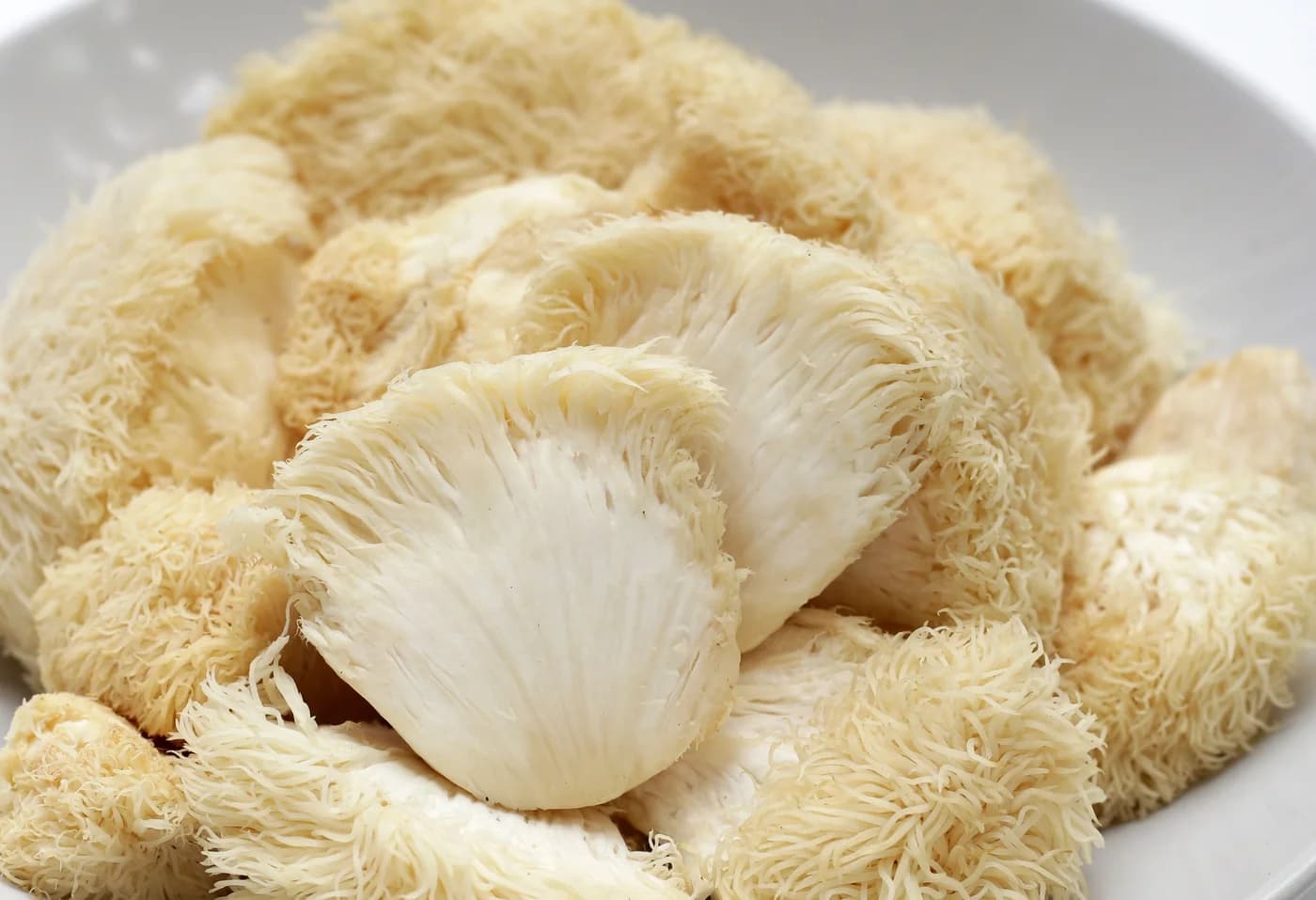
Lion's mane mushroom (Hericium erinaceus) is an edible mushroom with long, white, hanging spines. It is sold fresh or dried and as powders, capsules and extracts. Small human studies have looked at memory, mood and stress, but the evidence is still limited. It is best seen as a food or an optional supplement, not a treatment for dementia, depression or any other condition.
What is lion's mane mushroom
Lion's mane grows in rounded clumps on hardwood trees. When cooked, it has a mild, savoury taste and a soft, slightly chewy texture. Like other edible mushrooms, it adds fibre and variety to meals. Researchers are interested in compounds called hericenones and erinacines, which affect nerve cells in laboratory and animal studies. Those findings do not show that eating the mushroom has the same effect in people.
What the research on memory shows
Most claims run ahead of the evidence. The human trials are small, short and use different products and doses.
Older adults with mild cognitive impairment
A 2009 placebo-controlled trial gave 30 Japanese adults aged 50 to 80 with mild cognitive impairment either lion's mane tablets or a placebo for 16 weeks. The lion's mane group scored better on a cognitive scale during the trial, but scores fell again four weeks after they stopped. One small study cannot show that the mushroom prevents or treats dementia.
Healthy younger adults
A 2023 pilot study in 41 healthy adults aged 18 to 45 found faster performance on one attention task an hour after a 1.8 g dose and a trend towards lower stress after 28 days, alongside several null results. A 2025 single-dose trial in 18 young adults found no overall improvement in cognition or mood, and some of its authors worked for a company that sells lion's mane drinks.
Mood, sleep, immunity and other claims
A few small studies have looked at low mood, anxiety and sleep, but they do not establish lion's mane as a treatment. Claims about boosting immunity, healing the gut or fighting cancer rest mainly on laboratory and animal work; there are no human studies showing anti-cancer effects. If memory changes are affecting daily life, or low mood and poor sleep persist, see a doctor. Thyroid problems, low vitamin B12, medicines and sleep disorders can all affect concentration. Our guide on how to improve memory covers habits with stronger support.
How to cook lion's mane
Choose firm, dry pieces rather than slimy or strongly discoloured ones. Brush off debris, trim the base and cook thoroughly. Tear it into pieces and sauté with a little oil, garlic and pepper, add it to a mixed-vegetable sabzi or simmer it in soup. Pair it with dal, paneer, tofu or curd for protein, as mushrooms alone are not a major protein source. Keep fresh mushrooms in the fridge and use them within a few days. If you enjoy mushrooms, our article on oyster mushrooms has more cooking ideas.
Supplements: dose and label checks
There is no agreed dose of lion's mane for memory, stress or general health. Products may use the fruiting body, the mycelium grown on grain, or a concentrated extract, so a powder is not equal to the extract used in a study. A good label names the species Hericium erinaceus, the part used, the amount per serving and the manufacturer or importer. In India, packaged supplements should carry an FSSAI licence number; this shows the product is registered, not that it works. Avoid products that promise to cure or prevent disease, and do not stack several mushroom blends with the same ingredient.
Side effects and who should be careful
Lion's mane eaten as food is generally well tolerated, but there is little safety data for concentrated or long-term supplement use. Reported side effects include stomach discomfort, nausea and skin rash. Stop and seek urgent help if you notice breathing difficulty, facial swelling or faintness.
- Avoid it if you are allergic to mushrooms.
- Skip supplements during pregnancy and breastfeeding, as safety has not been studied.
- Speak to your doctor first if you take regular medicines, have a chronic illness, are on cancer treatment or are due for surgery.
- Do not stop prescribed medicine or delay a diagnosis because of a supplement claim.
Editorial sources
- Memorial Sloan Kettering Cancer Center: Lion's mane mushroom
- Mori et al., 2009: Lion's mane and mild cognitive impairment (PubMed)
- Docherty et al., 2023: Lion's mane, cognition and stress in young adults (PubMed)
- Surendran et al., 2025: Acute effects of lion's mane extract (PubMed)
- NCCIH: Using dietary supplements wisely
Frequently Asked Questions
Related Articles
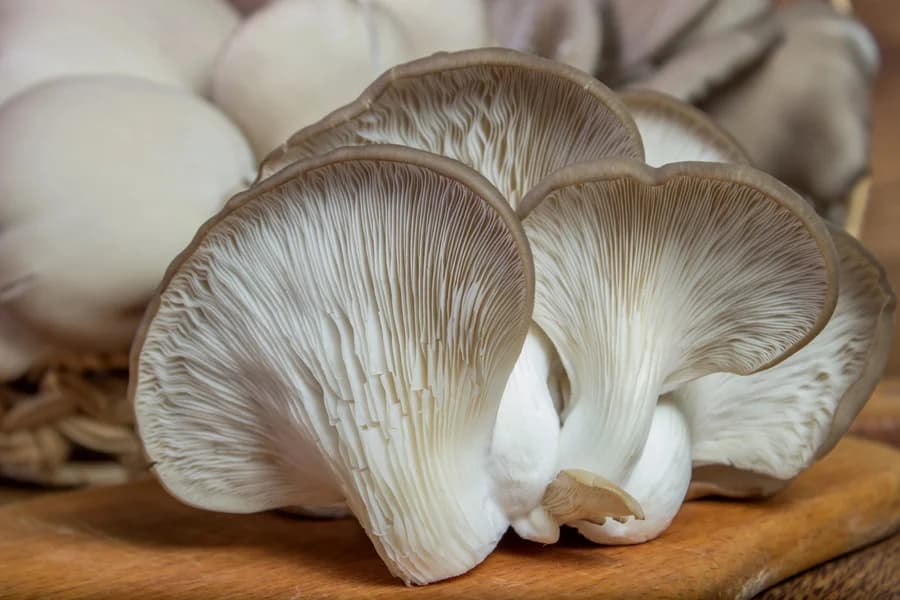
Oyster Mushrooms: Nutrition, Cooking and Safety
Oyster mushrooms add fibre, B vitamins and savoury flavour but only modest protein. How to clean, cook, store and buy them safely.


How to Improve Memory: Practical Habits and Warning Signs
Memory varies with sleep, stress, attention, mood, medicines, alcohol, hearing and physical health.
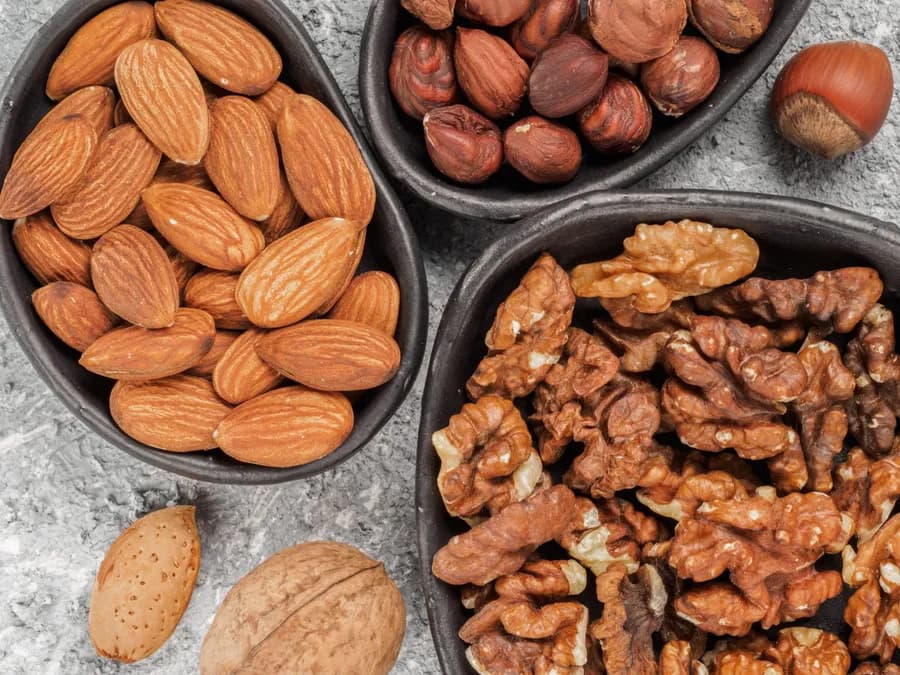
Healthy fats for brain: soaked almonds and walnuts habit
Healthy fats for brain health can come from simple vegetarian foods like almonds, walnuts, seeds and oils. Learn a simple soaked nuts habit.

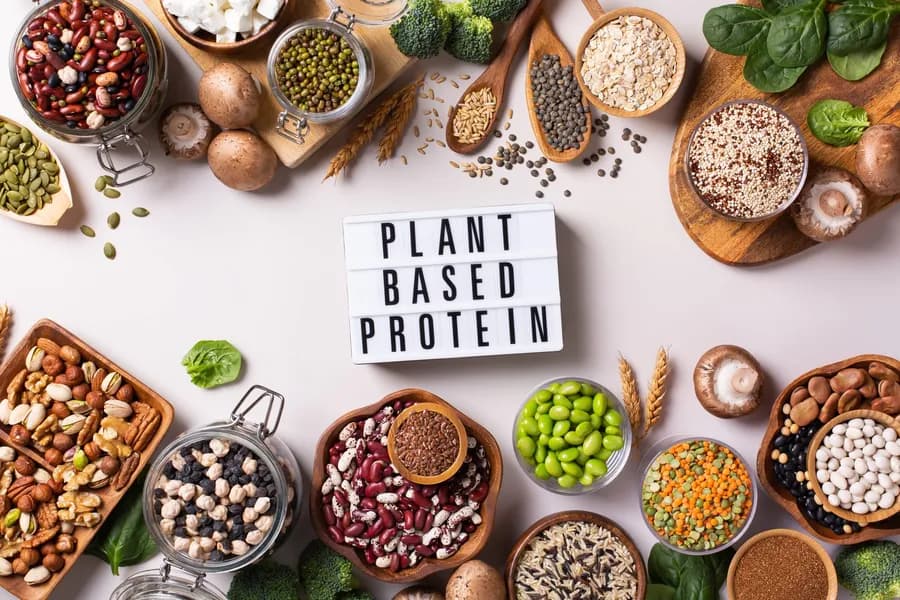
Protein-rich vegetarian foods: 1/4th plate habit
Explore protein, carbohydrates, healthy fats and meal planning for strength training, muscle building and recovery.