
Low BP Diet: Foods and Habits for Low Blood Pressure
A low BP diet works almost opposite to a high blood pressure diet — adequate salt, steady hydration, and small frequent meals. See the foods and habits.

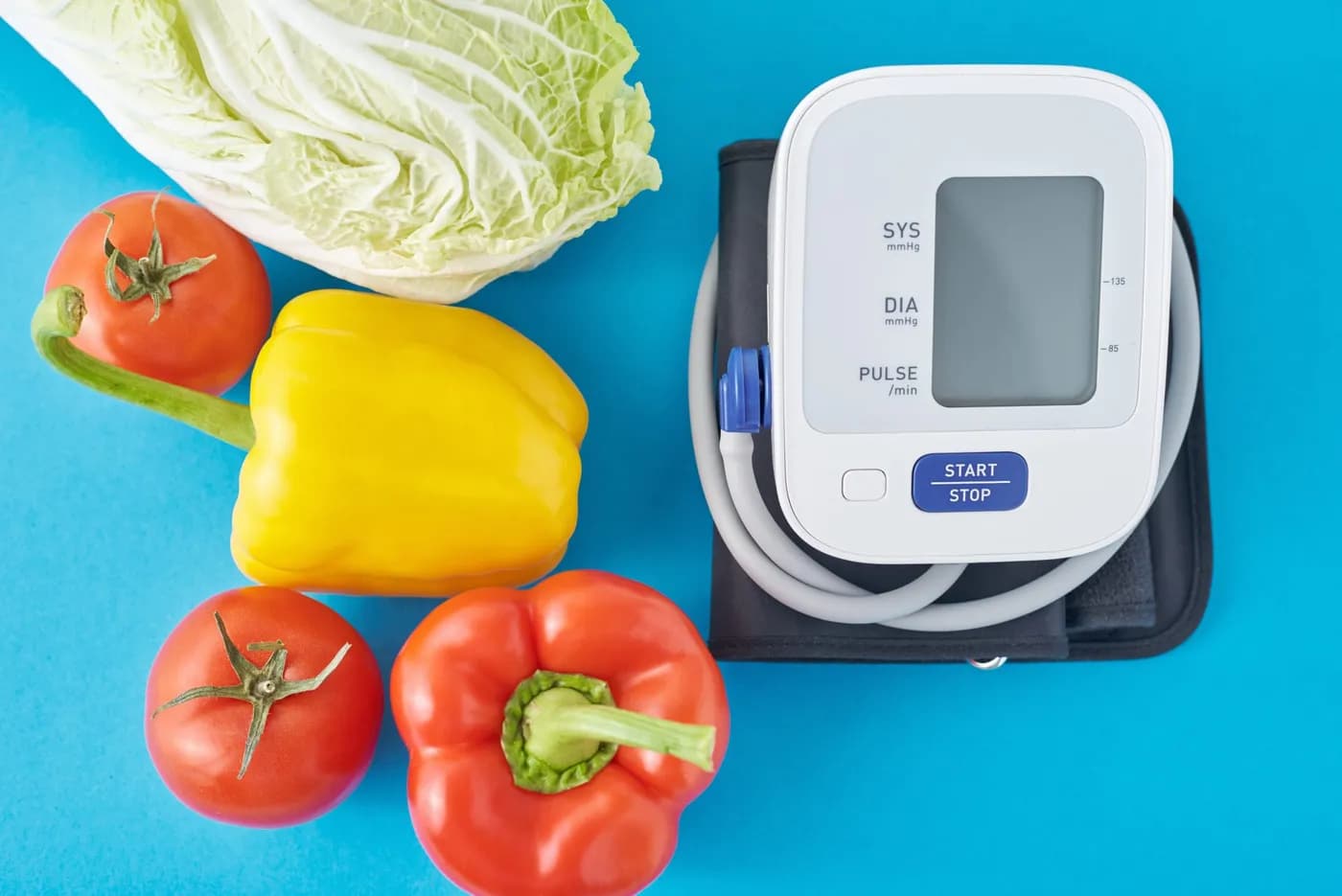
Key Takeaways
- Works almost opposite to a high-BP diet – it doesn’t restrict salt, it needs adequate salt.
- Small, frequent meals help prevent the post-meal blood pressure drop that causes dizziness.
- Staying well hydrated increases blood volume, which supports higher pressure.
- B12 and folate-rich foods matter since deficiencies in either can contribute to low BP.
- Rising slowly from sitting or lying down avoids the head rush of orthostatic hypotension.
A low bp diet works almost opposite to what’s recommended for high blood pressure — it focuses on adequate (not restricted) salt, steady hydration, and small, frequent meals to prevent the dizziness and fatigue that come with low readings. Low blood pressure, or hypotension, is a real but often overlooked condition that needs its own approach.
What does a low BP diet include?
If your blood pressure regularly reads below 90/60 and causes symptoms, these steps can help. Quick essentials:
- Don’t restrict salt — a slightly higher, doctor-approved sodium intake can help raise blood pressure
- Stay well hydrated — water increases blood volume, which supports higher pressure
- Eat small, frequent meals instead of large ones, which can cause a post-meal blood pressure drop
- Add caffeine in moderation — tea or coffee can offer a temporary lift
- Include vitamin B12 and folate-rich foods, since deficiencies in these can contribute to low BP
Foods that help with low blood pressure
Salty foods, used sensibly, are genuinely useful here — a pinch of extra salt in dal, buttermilk, or soup, or a glass of ORS-style electrolyte drink, can help stabilise pressure quickly. Fluids matter just as much: coconut water, buttermilk, and plain water throughout the day maintain blood volume, especially important in hot weather or after sweating. Foods rich in vitamin B12 and folate — dairy, fortified cereals, spinach, and beans — support healthy red blood cell production, which in turn supports circulation. Caffeinated drinks like tea and coffee, taken in moderation, can offer short-term relief from a sudden drop, particularly after meals. Protein at each meal, from paneer, dal, curd, or nuts, helps keep blood sugar and pressure more stable across the day. Building meals this way is really the core of any low bp diet, since food choices do more heavy lifting than any single remedy.
Habits that support a low BP diet
These dietary steps work best paired with a few daily habits. Rise slowly from sitting or lying down to avoid the head rush of orthostatic hypotension, and avoid standing still for long periods. Eating five or six smaller meals rather than three large ones prevents the sharp blood-flow shift to the digestive system that can cause pressure to dip after eating. Limiting alcohol matters too, since it dehydrates the body, and regular, gentle exercise improves overall circulation.
Photo: Swami Stream, CC BY 2.0, via Openverse (Flickr)
How low BP differs from high BP dietary advice
It’s worth being clear a low bp diet isn’t simply “the opposite of eating healthy” — it’s a distinct condition with its own evidence-based dietary needs. Where high blood pressure calls for less sodium, low blood pressure often calls for more, and dehydration is a major trigger rather than a minor concern. If you experience frequent dizziness, fainting, or blurred vision alongside low readings, these dietary steps should support — not replace — a proper medical evaluation.
If high blood pressure is the concern elsewhere in your household, the High BP Diet guide covers the opposite approach — cutting sodium rather than adding it — and the DASH Diet Chart offers a structured eating plan built specifically around that goal.
Who Should Be Cautious With a Low BP Diet
Not every case of low blood pressure responds the same way to diet, and a few groups need closer medical supervision before making changes. People with underlying heart conditions, kidney disease, or diabetes should not increase salt intake without a doctor’s sign-off, since the same advice that helps otherwise-healthy people with low BP can be risky if there’s an unrelated heart or kidney issue. Anyone on blood pressure medication for a separate condition — some people take BP-lowering drugs but still experience occasional low readings — needs a doctor to review the combination rather than adjusting salt or fluids alone. Pregnant women with low blood pressure, which is common in early pregnancy, should mention symptoms to their obstetrician rather than self-treating, since dizziness and fainting carry added risk during pregnancy. Older adults are also more prone to a sudden BP drop on standing (orthostatic hypotension), so a low bp diet for elderly family members should pair with slower position changes and regular blood pressure checks rather than diet alone.
Common Mistakes People Make With a Low BP Diet
A few habits quietly undo the benefits of an otherwise sound low bp diet. Restricting salt out of general “healthy eating” habit is the most common one — many people have spent years cutting sodium for heart health and don’t realise the advice reverses for hypotension. Relying only on caffeine for a quick fix is another trap; tea or coffee can help temporarily, but drinking it on an empty stomach or too close to bedtime causes its own problems, like disrupted sleep or acidity. Standing up quickly after meals or long periods of sitting is an easy habit to overlook, even though it’s one of the most common triggers for a sudden dizzy spell. Finally, treating low blood pressure as a one-time fix rather than a daily pattern — going back to old habits once symptoms ease for a few days — is why symptoms often return; a low bp diet works best as a consistent routine, not an occasional adjustment.
Frequently Asked Questions
Related Articles

Diet for Strength Training: a Practical Eating Guide for Muscle and Recovery
Explore protein, carbohydrates, healthy fats and meal planning for strength training, muscle building and recovery.
Best Diet Plan for Muscle Building
A consistent supply of protein, quality carbohydrates, and healthy fats repairs muscle tissue and fuels workouts — training is only half the equation. See what the right nutrition looks like.

Strength Training Diet: Nutrition Guide for Better Results
Discover the best strength training diet to fuel your workouts, build muscle, and improve performance. Start your 14-day free trial trial with Habuild today.