
Matcha: Benefits, Portions and Safety
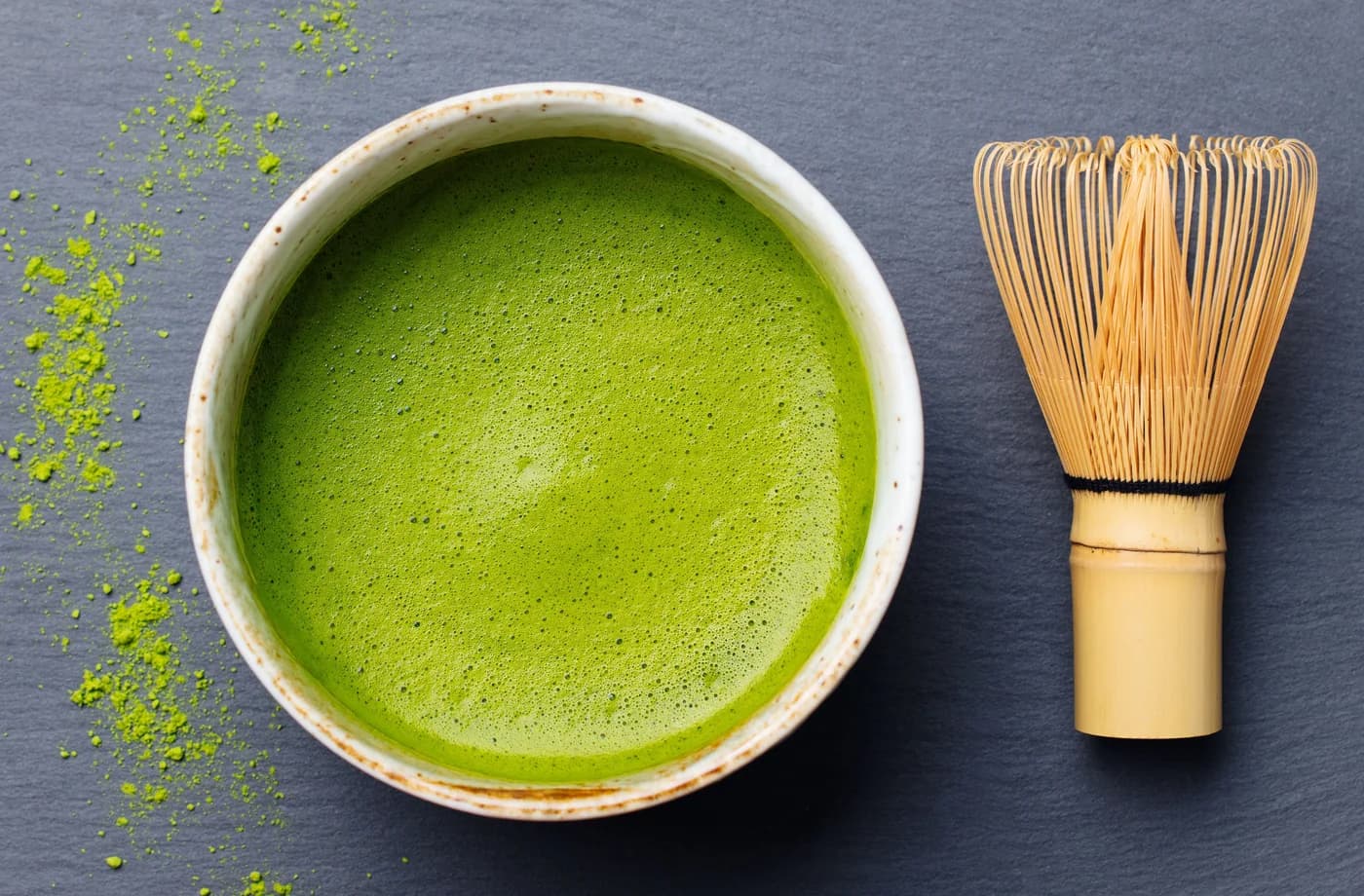
Matcha is a finely ground powder made from specially grown green tea leaves.
Key Takeaways
- Matcha contains caffeine, although the amount varies by product and preparation.
- It provides catechins and other plant compounds found in green tea.
- Research does not prove that one daily drink prevents cancer or heart disease.
- Sweetened café drinks may contain considerable sugar and calories.
- Concentrated green tea extracts have different risks from a normal beverage.
Matcha is a finely ground powder made from specially grown green tea leaves. Unlike ordinary brewed tea, the powder is whisked into water and consumed, so the drink contains components from the whole leaf.
It provides caffeine and plant compounds called catechins. It can fit a balanced routine, but it is not a detox treatment, fat burner or substitute for sleep, food or medical care.
What is matcha?
Tea plants intended for matcha are shaded before harvest, which affects their colour and composition. The leaves are steamed, dried and ground into a bright green powder. Culinary grades are commonly used in smoothies and baking, while finer powders are often whisked as tea.
Because the powder remains in the drink, portion size matters. A typical serving may use roughly one-half to one teaspoon, but products differ. Check the label instead of assuming every scoop delivers the same caffeine or nutrients.
Nutrition and plant compounds
The powder contributes small amounts of nutrients, but a usual serving is too small to function like a vegetable portion. Its best-known components are catechins, including epigallocatechin gallate, and the amino acid L-theanine.
Laboratory antioxidant measurements cannot predict a clinical outcome. Digestion, dose, regular diet and individual health all affect what happens in the body. Calling a product antioxidant-rich does not mean it treats disease.
Possible matcha benefits
Alertness and concentration
Caffeine can temporarily improve alertness and reduce feelings of tiredness. L-theanine is often marketed as creating calm focus, but individual responses vary. The practical effect may be helpful during the day, yet it cannot replace adequate sleep.
People who rarely consume caffeine may notice a stronger response. Regular users may develop tolerance, while sensitive people may experience shakiness, anxiety, headache, palpitations or digestive discomfort.
Heart and metabolic health
Studies of green tea beverages and extracts have examined cholesterol, blood pressure and glucose control. Some findings suggest small effects, but results vary and much of the research uses concentrated extracts rather than matcha prepared as a drink.
A cup can replace a sugary beverage, which may be useful. It should not replace prescribed treatment or be presented as a reliable way to lower cholesterol or blood sugar.
Weight management
Catechins and caffeine may have a modest effect on energy expenditure, but matcha does not melt fat. Any effect is small compared with total food intake, activity, sleep and long-term habits.
A plain drink provides little energy. Matcha lattes made with sugar, flavoured syrup, cream or large amounts of sweetened milk may be quite different.
Cancer claims
Research on green tea and cancer has produced inconsistent results. It is not appropriate to claim that matcha prevents or cures cancer. People receiving cancer treatment should discuss supplements and concentrated extracts with their clinical team.
How to prepare it
Sift a small amount of powder into a bowl or cup, add warm rather than vigorously boiling water, and whisk until dispersed. Adjust the strength to taste without automatically increasing the portion.
Other simple uses include:
- Stir a small amount into warm milk or an unsweetened fortified plant drink.
- Add it to plain curd with fruit and oats.
- Use it occasionally in chia pudding or overnight oats.
- Mix a little into homemade energy bites rather than relying on a supplement shot.
The powder can settle and may taste bitter. Buying a larger pack is not useful if it becomes stale before use.
Caffeine and sensible portions
Caffeine content varies with the powder, amount and water volume. Count matcha alongside coffee, tea, cola, energy drinks, chocolate and pre-workout products.
Too much caffeine may disturb sleep, worsen anxiety or trigger palpitations. Avoid it late in the day if sleep is affected. During pregnancy, follow professional guidance on total caffeine from all sources. Children and adolescents should not copy adult caffeine routines.
Matcha versus green tea extract
A beverage made with a modest amount of powder is not the same as a capsule containing concentrated catechins. Green tea extract supplements have been linked to uncommon cases of liver injury, especially when taken in concentrated doses.
Stop a supplement and seek medical advice for dark urine, yellowing of the skin or eyes, severe abdominal pain or unusual fatigue. A normal drink should not be treated as permission to take high-dose extract.
Medicines and iron absorption
Green tea products can interact with some medicines, and concentrated products deserve particular care. Anyone taking regular treatment should show the label to a pharmacist rather than relying on a general online list.
Tea compounds may reduce absorption of non-haem iron when consumed with meals. People with iron deficiency may be advised to leave a gap between tea and iron-rich meals or supplements. The appropriate timing depends on the treatment plan.
Buying and storage
Choose a product with a clear ingredient list, origin, batch details and best-before date. Bright colour alone does not prove purity or quality. Avoid blends with undeclared stimulants or strong health claims.
Close the pack tightly and store it away from heat, light and moisture. A small pack is often more practical because flavour and colour decline after opening.
Sources
- National Center for Complementary and Integrative Health. Green tea: usefulness and safety. https://www.nccih.nih.gov/health/green-tea
- NIH Office of Dietary Supplements. Dietary supplements for weight loss. https://ods.od.nih.gov/factsheets/WeightLoss-Consumer/
- NHS. Caffeine and pregnancy. https://www.nhs.uk/pregnancy/keeping-well/foods-to-avoid/
- USDA FoodData Central. Tea products. https://fdc.nal.usda.gov/
Frequently Asked Questions
Related Articles
Antioxidants: Nutrition Facts, Uses and Safety
Antioxidants can add variety, flavour and useful nutrients to a vegetarian eating pattern. Its exact nutrition depends on the form, serving and.
Is Carbonated Water Healthy? Benefits, Teeth and Digestion
Plain carbonated water is water containing dissolved carbon dioxide. Learn about practical uses, portions and safety.

Ginseng Benefits, Uses, Side Effects and Safety
Explore ginseng benefits, types and uses, plus what research says about fatigue, blood sugar, side effects and important medicine interactions.