
Midnight Snacks: What to Eat When Hunger Strikes Late
Eating at night is not automatically unhealthy. The reason you are hungry, what you choose and how much you eat matter far more than the clock.
Key Takeaways
- A late snack is not automatically unhealthy or fattening.
- Choose a small, familiar food with protein or fibre.
- Caffeine, alcohol and heavy meals can disturb sleep or worsen reflux.
- Repeated night eating or overnight low blood sugar needs individual advice.
You have brushed your teeth, switched off the lights and then your stomach starts asking for food. Eating at night is often treated as a bad habit, but the clock does not decide whether a snack is healthy. The reason you are hungry, what you choose and how much you eat matter far more. A small snack may help after an early dinner; a heavy meal can leave you uncomfortable and wide awake.
What is behind the hunger?
Start with the obvious question
Think back to dinner. Was it early, unusually small or mostly refined carbohydrate? A meal that lacks protein, vegetables or enough total food may not carry you through the night. Pregnancy, long work shifts, intense exercise and some medicines can also change appetite. In those situations, hunger is useful information rather than a lack of willpower.
Hunger can also be a habit
Sometimes the cue is finishing a show, scrolling on the phone or finally getting quiet time after a busy day. Pause for ten minutes and notice whether a glass of water, brushing your teeth or going to bed settles the urge. If you are still physically hungry, eat. The aim is not to ignore your body; it is to tell hunger apart from an automatic routine.
Look at the whole day
Regular midnight hunger often improves when breakfast, lunch and dinner become more satisfying. Include dal, rajma, chana, tofu, paneer or curd through the day, alongside vegetables and whole grains. If daytime restriction is followed by night-time overeating, the answer is usually a steadier eating pattern, not stricter rules after sunset.
Night eating is not one thing
A planned snack after a late shift is different from waking several times to eat, feeling unable to stop or eating most of the day’s food after dinner. If the pattern is distressing, linked with shame, vomiting or severe restriction, speak to a doctor or mental-health professional. It deserves support, not judgement.
Make the snack work for you
Keep it small and simple
Useful options include plain curd with fruit, warm milk, a banana with a teaspoon of peanut butter, roasted chana, a small bowl of oats or whole-grain toast with paneer or hummus. Choose something your stomach already knows. A bedtime snack is not the moment to test a large serving of a very spicy or high-fibre food.
Think about sleep and reflux
Black tea, green tea, coffee, cola and chocolate can contain enough caffeine to affect sensitive sleepers. Large, oily, spicy or acidic meals may worsen heartburn, especially when you lie down soon afterwards. If reflux is common, finish larger meals two to three hours before bed and follow the plan your clinician has given you.
Do not turn food into sleep medicine
Milk, bananas and nuts are often sold as natural sleep cures. They can be comfortable foods, but no snack can fix persistent insomnia, loud snoring, breathing pauses, restless legs or anxiety. A steady sleep schedule and daytime movement matter more. Habuild’s online yoga classes can be one gentle way to build a regular movement routine.
Diabetes needs a personal plan
If you use insulin or medicines that can cause low blood sugar, follow your clinician’s instructions for overnight readings and snacks. Shaking, sweating, confusion or unusual weakness may be hypoglycaemia and should be treated according to your care plan. Do not improvise with random snacks or change medicine doses on your own.
A simple habit to try
For one week, write down the time of dinner, what it contained and whether you felt hungry before bed. If hunger follows an early or light dinner, improve that meal first. If you still need a snack, prepare one modest option before the evening gets busy. Browse more practical food ideas in Habuild’s Habitology guides.
What if you work nights?
For a night-shift worker, midnight may fall in the middle of the working day rather than at bedtime. Plan meals around waking, working and sleeping instead of following a daytime clock. Carry one proper meal and one planned snack so vending-machine food is not the only choice. Keep the heaviest meal away from the time you lie down if it causes reflux.
Could thirst be confused with hunger?
It can, especially after salty food, alcohol or a hot day. Have some water and reassess, but do not use water to suppress genuine hunger. Excessive thirst with frequent urination, blurred vision or unexplained weight loss deserves a blood-sugar check rather than repeated drinks and snacks.
What about children and teenagers?
Young people may need an evening snack during growth, sport or after an early dinner. Offer familiar food such as milk, fruit, curd, toast or roasted chana, and keep screens and sugary snacks from becoming the cue. Persistent night waking, poor growth or extreme appetite should be discussed with a paediatric professional.
Keep the kitchen decision easy
Pre-portioning helps because sleepy decisions are rarely careful ones. Put a small bowl of roasted chana, a banana or a single serving of curd where it is easy to find. Eating from a large packet makes the amount difficult to notice. Sit down, eat slowly and then close the kitchen rather than grazing while scrolling.
When hunger is linked with medicine
Steroids and some psychiatric medicines can increase appetite, while diabetes medicines can sometimes lower glucose. Do not stop or adjust a prescription because it changes hunger. Note when the appetite started, take the medicine list to your appointment and ask whether timing, dose or meal planning needs review.
Editorial sources
Frequently Asked Questions
Related Articles
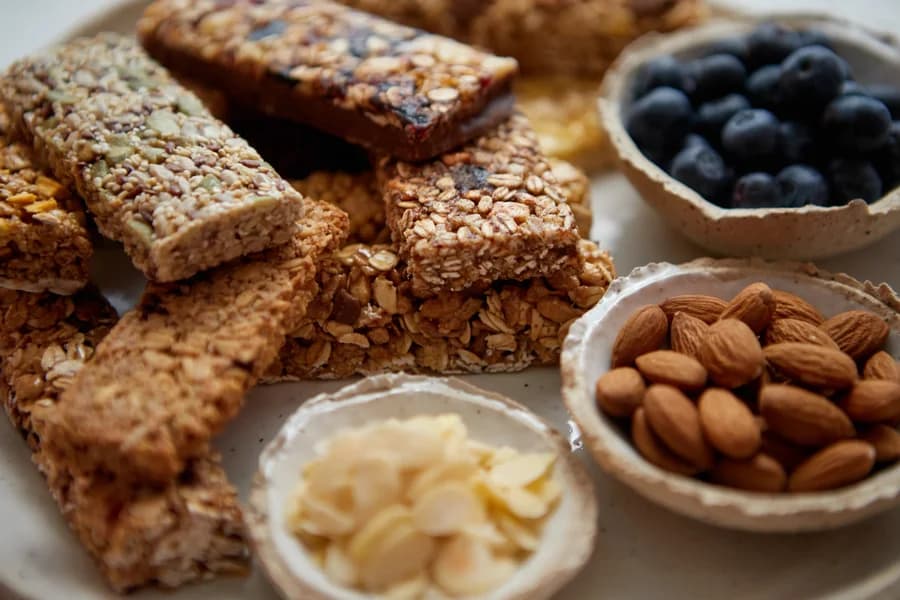
Protein-Rich Snacks: Vegetarian Ideas
A useful protein-rich snack should solve a real gap between meals, not become an extra meal added automatically.


Makhana Benefits: Nutrition and Healthy Snack Ideas
A simple guide to makhana benefits, nutrition, portions, roasting ideas and the limits of current health research on this snack.

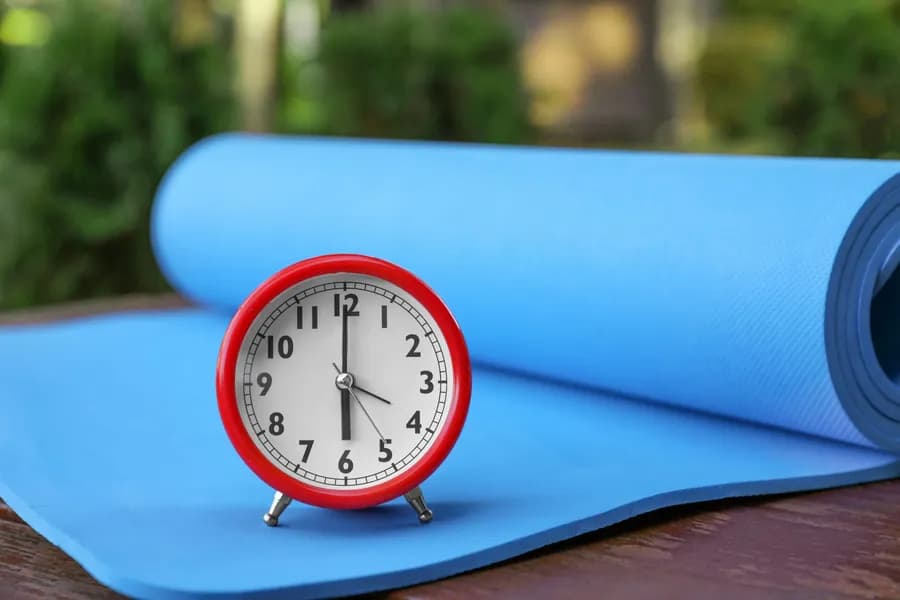
How to Fix Your Sleep Schedule (Without an All-Nighter)
Fixing a drifted sleep schedule doesn't need a risky all-nighter reset — small daily shifts work better and are far easier on your body. See the gradual approach that actually sticks.

Acid Reflux Sleeping Position: What Helps at Night
Getting your acid reflux sleeping position right can meaningfully cut nighttime heartburn without medication — gravity does most of the work. See the exact position and elevation that helps most.