Mulberry Leaves: Tea, Extracts and Blood-Sugar Claims
Specific mulberry leaf extracts have been studied for after-meal glucose responses. Understand what that does and does not mean for tea and diabetes care.
Key Takeaways
- Mulberry leaves are different from the fruit.
- Tested extracts are not the same as a home tea.
- They may cause digestive side effects.
- Check with a doctor if you take diabetes medicines.
Mulberry leaves have a long history of use, including as food for silkworms and in traditional preparations. Today, the leaves also appear in teas and supplements advertised for blood sugar. That can make a cup of tea sound like a simple way to balance a carbohydrate-rich meal.
Some human research on specific mulberry leaf extracts is promising, particularly for the rise in glucose after eating. The evidence is narrower than the marketing often suggests. Tea, cooked leaves and a standardised extract should not be treated as the same exposure.
Leaves are different from the fruit
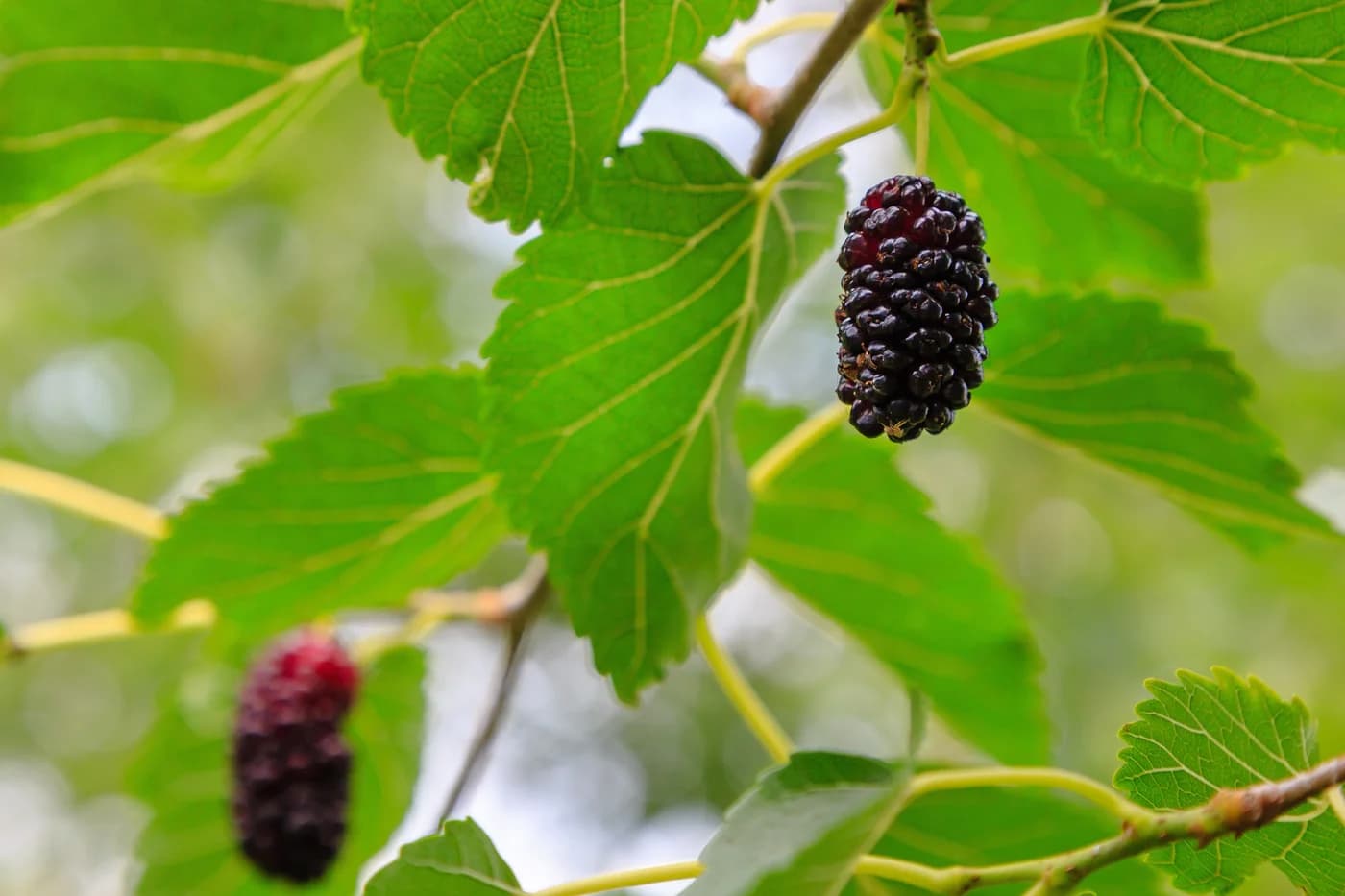
Mulberry fruit is an edible berry-like food. The leaves are a separate part of the plant and contain a different mix of compounds. Research about one does not automatically describe the other.
Several mulberry species exist. White mulberry, Morus alba, is commonly involved in leaf-extract research, but a tree’s local name does not establish that every leaf preparation has the same composition.
If you enjoy mulberries as fruit, there is no need to start using the leaves to obtain the same benefit. Fruit can have an ordinary place in the diet without becoming a reason to consume an extract.
Why researchers study glucose responses
Mulberry leaves contain compounds, including one often abbreviated as DNJ, that can slow the breakdown of certain carbohydrates in the intestine. This may reduce or delay the rise in glucose after a meal.
That is a specific mechanism, not a claim that the leaves remove all carbohydrate or make an unlimited portion harmless. The amount and form of the active compounds matter.
A lower glucose peak in a short experiment also needs context. Long-term diabetes care involves overall glucose levels, treatment, nutrition and the risk of complications. One meal response is only part of that picture.
What human studies have tested
Some randomised studies have tested particular extracts with carbohydrate-containing drinks or meals. These studies have found smaller rises in glucose and sometimes insulin compared with placebo under the conditions tested.
Other small trials have involved people with impaired fasting glucose or type 2 diabetes. The findings support further study, but differences in products and short study durations limit how confidently the results can be applied to everyday use.
This does not establish that a homemade cup of mulberry tea will have the same effect. Nor does it prove that leaf supplements prevent diabetes complications or can replace prescribed medicines.
A tea does not equal an extract
A dried-leaf infusion depends on the leaf material, amount, water temperature and brewing time. A standardised extract is made to contain a specified concentration of selected compounds.
You cannot reliably convert a capsule used in a study into a number of tea leaves. Brewing a stronger cup does not solve that uncertainty and may make side effects more likely.
If you choose a tea because you like its flavour, keep that separate from a treatment expectation. There is no established universal daily mulberry-leaf tea dose for general health, and more concentrated is not automatically more useful.
Digestive effects are possible
Slowing carbohydrate digestion can lead to more material reaching the lower gut, where microbes ferment it. Gas, bloating, abdominal discomfort or loose stools may occur with some preparations.
These symptoms are not evidence that toxins are leaving the body. A product that repeatedly makes your digestion worse is not earning a place in your routine simply because it is herbal.
Introduce only one new product at a time if you choose to try it, and stop if symptoms recur. Severe pain or persistent diarrhoea needs attention rather than a stronger tea or a claim about a healing phase.
Diabetes medicines make the decision more important
Combining a product intended to lower glucose with insulin or certain glucose-lowering medicines may increase the chance of low blood sugar or complicate the treatment plan. The exact risk depends on the medicine and preparation.
Do not reduce prescribed treatment to make room for an extract. If you are already managing diabetes, discuss the specific product with the person overseeing that care and use your existing glucose-monitoring plan.
Sweating, shaking, confusion or unusual weakness may require prompt action under your low-glucose plan. A natural label does not make a glucose-active product irrelevant to medicines.
Do not pick roadside leaves for a health experiment
A tree in a public area may have been exposed to spraying, contamination or incorrect identification. Being eaten by silkworms is not a human food-safety guarantee.
If a leaf preparation is part of a local culinary tradition, use correctly identified, food-grade material and an established preparation. That is different from eating unidentified leaves raw because a social-media video recommends it.
Home drying also does not establish a medicinal strength or remove every contaminant. You can meet ordinary nutrition needs through familiar foods without needing to turn garden foliage into a daily remedy.
Pregnancy and children are not well studied
Reliable safety information is limited for medicinal amounts during pregnancy, breastfeeding and childhood. It is better not to self-prescribe mulberry extracts or concentrated teas in these settings.
That is separate from an ordinary portion of edible mulberry fruit. Different plant parts and concentrations deserve different decisions.
People with complex medical conditions or several medicines should be particularly cautious about adding a product for a vague promise such as balancing the body. A clear purpose is more useful than a growing collection of herbal products.
What helps without relying on the leaves?
For steadier meals, combine a comfortable portion of roti, rice or another staple with pulses, tofu, paneer or another protein food and vegetables. Do not expect a tea after a large sweet drink to cancel its effect.
Movement after meals, enough sleep and consistent treatment where needed are also useful. Our guide to how to control sugar offers practical habits that do not depend on a particular extract.
Mulberry leaf research is worth following, but the current everyday message is modest. Enjoy food for what it offers, keep treatment claims specific and avoid giving a cup of tea responsibility for managing a medical condition.
Editorial sources
Frequently Asked Questions
Related Articles
Mulberry Benefits : Nutrition, Portions and Safety
Mulberries are delicate berries eaten fresh, dried or cooked. Learn about practical uses, portions and safety.

Herbal Tea Recipes: 5 Simple Blends for Daily Routine
These five herbal tea blends use common Indian kitchen ingredients like fennel, cinnamon, tulsi, ginger, and cardamom — light, warm drinks, not medicine..

7 Yoga Poses for Diabetes: Manage Blood Sugar Naturally
Muscle activation improves glucose uptake, cortisol reduction directly lowers blood sugar, and parasympathetic activation together improve blood glucose

How to Reduce Diabetes: 7 Lifestyle Changes That Lower Blood Sugar and Improve Health
Type 2 diabetes is the only major chronic disease where lifestyle change can sometimes produce remission — normal blood sugar without medication. See the