
Nutmeg: Flavour, Everyday Uses and Why More Is Not Better
Nutmeg is a powerful culinary flavouring. Use a little in food and understand why medicinal or excessive doses are a different matter.
Key Takeaways
- Nutmeg (jaiphal) is used in tiny amounts for aroma.
- It is not a reliable sleep aid or daily medicine.
- Large amounts of nutmeg can be dangerous.
- Keep remedy claims away from children and pregnancy.
A little nutmeg can make kheer smell warmer or give a savoury sauce a rounded flavour. Known as jaiphal, it is a strong spice used in tiny quantities. Its value in the kitchen comes mainly from aroma, not from supplying a large dose of nutrients. Claims that it is a reliable sleep aid or daily medicine need caution, and taking large amounts can cause poisoning.
A seed and its aromatic covering
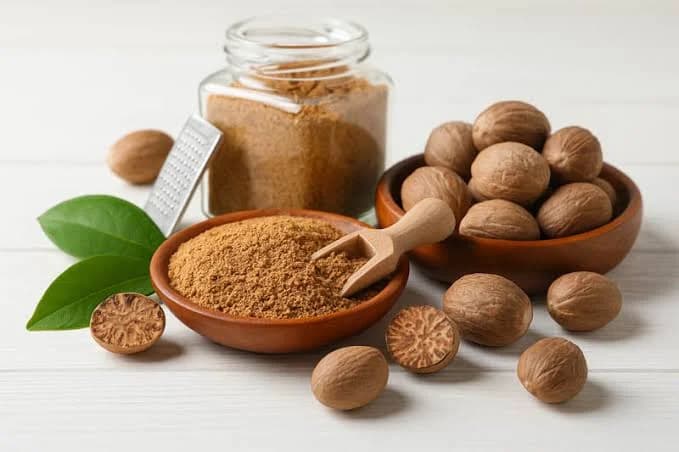
Nutmeg comes from the seed of Myristica fragrans. Mace, called javitri, is the lacy covering around that seed. They have related but distinct flavours and are used differently in recipes. A whole nutmeg is hard and can be grated as needed; ground nutmeg is convenient when you want only a small amount.
The flavour is warm, slightly sweet and intense. That makes a light hand useful. It can complement cardamom, cinnamon or pepper, but it should not overwhelm the other ingredients. If you are new to it, follow a tested recipe rather than treating it like a spoonful of a mild seasoning.
Although nutrient tables list minerals and fibre in nutmeg, the serving used for flavour is tiny. Figures for 100 g have little relevance to a pinch in food. Do not rely on nutmeg for iron, calcium or other nutrients that are better supplied through normal meal ingredients.
Use aroma rather than a larger amount
Freshly grated nutmeg can be more fragrant than powder that has been stored for months. Grate a little over the dish, stir and taste before deciding whether more is needed. You can always add a small amount; removing it once it dominates is harder.
For sweet dishes, it can work in kheer, custard, porridge or a baked recipe. For savoury cooking, some recipes use it in a spice blend, a creamy sauce or a vegetable filling. It does not need to go into every meal, and there is no health reason to create a daily dose.
Try these modest uses within a normal recipe:
- A light grating in a pot of kheer shared across several servings.
- A small amount in warm porridge with fruit.
- A trace in a spinach or cauliflower sauce.
- A recipe-specified amount in garam masala or another spice blend.
- A little in a baked dish where its flavour belongs.
The rest of the recipe still determines much of the meal's nutrition. Nutmeg does not cancel the sugar in a dessert or the fat in a rich sauce. Enjoy it for flavour without needing the finished dish to become medicinal.
Whole or ground: choose what you will use
Whole nutmeg can keep its aroma well when stored dry and grated in small amounts. Use a suitable grater carefully, keeping fingers away from the sharp surface. Ground spice is easier for measuring into a recipe and may suit someone who uses it occasionally.
Store either form in a tightly closed container away from heat and moisture. Avoid repeatedly holding a jar over a steaming pot, which introduces dampness. Buy a quantity you can use while it remains fragrant. Discard spice with visible mould or an unusual spoiled smell.
Stale spice may taste weak, but adding large amounts to compensate is not a good approach with nutmeg. Replace an old jar rather than increasing the quantity far beyond the recipe. Keep it out of reach of children who might mistake a flavouring for something safe to eat by the spoonful.
Does nutmeg help sleep?
Nutmeg is sometimes added to warm milk as a traditional bedtime drink. A comforting routine can feel relaxing, but good human evidence does not establish nutmeg as a safe, reliable treatment for insomnia. Sedation or confusion after an excessive amount is toxicity, not a stronger version of healthy sleep.
If you like a lightly flavoured milk drink, the normal culinary use is a different situation from swallowing extra powder to make yourself drowsy. Do not keep increasing the spice when sleep does not improve. Persistent difficulty sleeping needs a broader approach, including routine, caffeine, stress and possible medical causes.
Habuild's online yoga sessions can be part of a regular movement routine if they suit you. They are one option for structuring the day, not a reason to promise that a drink and a session will cure insomnia.
Why large amounts are dangerous
Nutmeg contains compounds, including myristicin, that can cause serious unwanted effects when taken in excessive amounts. Poisoning can include nausea, vomiting, a racing heartbeat, dizziness, agitation, confusion or hallucinations. Effects may be delayed, so feeling fine immediately after swallowing it is not reassuring.
Do not use nutmeg recreationally or as a concentrated home remedy. There is no useful universal threshold that makes experimenting with large amounts safe. Essential oil and extracts are also different from a trace of spice in a dish and should not be swallowed casually.
If someone has taken a substantial amount, contact poison or medical services promptly, even if symptoms have not started. Keep the packet available and explain what was taken. Do not induce vomiting or give another substance to counteract it. Severe confusion, collapse, breathing problems or inability to wake needs emergency help.
Children, pregnancy and remedy claims
Normal recipe amounts in food are different from giving nutmeg directly as medicine. Do not rub concentrated jaiphal preparations into a baby's mouth or give it to make a child sleep. An infant's feeding or sleep concern needs appropriate advice, not a sedating spice experiment.
During pregnancy and breastfeeding, avoid medicinal quantities and concentrated preparations without a specific professional recommendation. There is no need to increase nutmeg intake for digestion, labour or milk supply. Traditional familiarity does not establish those uses as effective or safe.
The same principle applies to claims about sexual health, immunity or weight loss. Laboratory findings or a long history of use cannot prove a benefit from a home dose. A varied diet can include nutmeg as a flavouring while leaving those unsupported promises aside.
Let the recipe set the role
Choose one dish where you genuinely enjoy the aroma and use the small amount the recipe calls for. Store the remainder properly and let other foods supply the meal's protein, fibre and minerals. Nutmeg is useful precisely because a little has a noticeable flavour. It does not need to become a larger or more frequent dose to earn its place in the kitchen.
Editorial sources
Frequently Asked Questions
Related Articles

Cinnamon: Benefits, Everyday Uses and Safety
Cinnamon is an aromatic bark used in sweet and savoury foods. Ceylon and cassia cinnamon differ in flavour and coumarin content.

Cloves Benefits: Nutrition, Everyday Uses and Safety
Cloves are dried flower buds with a strong aroma, and their main compound, eugenol, is concentrated in clove oil. Learn everyday uses.
Black Pepper Benefits, Uses and Safety
What black pepper (kali mirch) really adds to food, how piperine affects turmeric, myths about metabolism and when to be careful.

Haldi Milk Benefits: Turmeric Milk Recipe & How to Make It
Haldi doodh, or turmeric milk, solves turmeric’s biggest problem — poor absorption — since milk’s fat helps curcumin absorb better. See the benefits and.