
Calories in One Onion: Nutrition by Size and Cooking Method
A medium raw onion has about 40–45 calories. See how size, frying and cooking oil change the number, plus tips for counting onion in recipes.
Key Takeaways
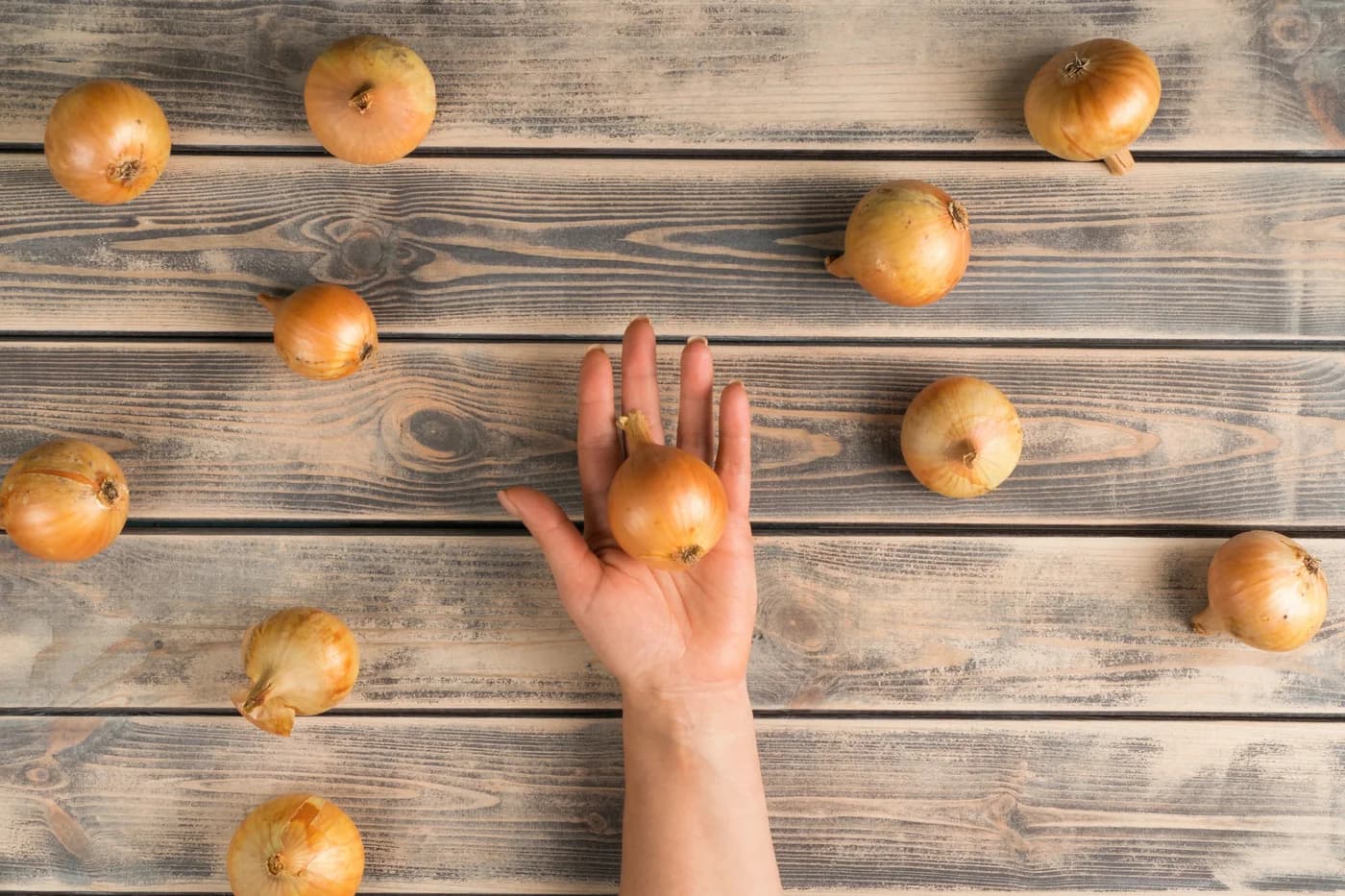
- Raw onion has about 40 calories per 100 g; a medium onion (110 g) has 40–45.
- A small onion has about 25–30 calories and a large one 60 or more.
- Frying adds far more calories than the onion itself because it absorbs oil.
- In a family curry, one onion adds only a few calories to each plate.
- Onion powder is concentrated and may carry a lot of salt.
One onion does not have a fixed calorie count because onions come in different sizes. Raw onion provides about 40 calories per 100 grams, so a medium onion of roughly 110 grams gives around 40–45 calories. Most of that comes from carbohydrate, with a little fibre. The number for a dish changes far more because of the oil, butter, batter or sauce used while cooking than because of the onion itself. For the wider nutrition picture, see our guide to onion benefits.
Onion calories by size
Approximate figures for raw onion:
- Small onion (about 70 g): 25–30 calories
- Medium onion (about 110 g): 40–45 calories
- Large onion (about 150 g): 60 or more calories
- Half a medium onion (about 55 g): 20–25 calories
If you are tracking food for a medical or performance goal, weighing the edible portion gives a better estimate than counting "one onion". For everyday eating, exact counting is usually unnecessary.
What does one onion give?
Onions contain mostly water, plus carbohydrate, a little fibre, vitamin C and sulphur compounds that give them their smell and sharpness. Red, white and yellow onions differ in pigment and taste, but not meaningfully in calories. Their main strength is practical: they bring flavour and texture to home-cooked meals with very little energy, which is why they appear on lists of low-calorie foods.
Raw, cooked and fried onions
Raw onions keep their crunch and bite. Cooking softens them and makes them taste sweeter as water is lost and natural sugars become more noticeable, but it does not turn an onion into a sugary food.
The real calorie change comes from fat. Onions absorb oil as they cook, and every tablespoon of oil adds roughly 120 calories to the pan. Caramelised onions cooked slowly in plenty of oil, fried garnish for biryani, onion rings and packaged onion snacks are therefore very different from a plain onion. Treat them as flavour-rich additions rather than free foods.
Counting onion calories in a cooked recipe
When a recipe uses several onions, divide the total across the portions served. Two medium onions shared among four people contribute only about half an onion, roughly 20–25 calories, per plate. Count the cooking fat separately, because the onion does not create those calories. In biryani, gravies and caramelised toppings, measuring the oil or ghee once tells you far more than weighing every onion.
Onions are often blamed for making a dish "high calorie", but the bigger variables are usually the oil, cream, fried garnish and portion size. To see how this fits your day, read how to work out your daily calorie needs.
Easy ways to use onions with little added fat
- Add chopped onion to dal, chana, rajma, sabzi, poha or upma.
- Use a measured spoon of oil and let the onion soften slowly on low heat, adding a splash of water instead of more oil if it sticks.
- Use raw onion in salads, chaat and raita if it agrees with your digestion.
- For children or older adults who dislike large pieces, grate or finely chop onion into dal, soup or vegetable fillings.
Onion powder and onion seasoning are more concentrated than fresh onion and may contain a lot of salt. Read the ingredients when sodium intake matters.
If onions upset you
Some people notice gas, bloating or reflux after onion, especially raw. Smaller amounts or well-cooked onion may be easier. Onion is high in fermentable carbohydrates (FODMAPs), so people following a low-FODMAP plan for irritable bowel symptoms often limit it for a time; that plan is best guided by a qualified professional. People who avoid onion for religious, cultural or digestive reasons can build flavour with ginger, cumin, hing, fennel, herbs or tomato.
Storing onions
Store whole onions in a cool, dry, airy place away from potatoes. Refrigerate cut onion in a covered container and use it soon. A firm onion with a small green sprout can usually be trimmed and cooked; discard bulbs that are soft, wet, mouldy or slimy.
Editorial sources
Frequently Asked Questions
Related Articles
Onion Benefits: Nutrition Facts, Uses and Safety
Onion benefits can add variety, flavour and useful nutrients to a vegetarian eating pattern. Its exact nutrition depends on the form, serving and.

Low Calorie Foods: Filling Choices for Everyday Indian Meals
No ordinary food is truly calorie-free, but vegetables, fruit, soups and lean protein foods can provide volume for fewer calories.

Daily calorie needs: how to estimate yours
Your calorie needs depend on your body, activity and goals. Learn how to estimate them and when calorie counting may not be helpful.
Apple Calories: How Many in One Apple and Why It Varies
A medium apple has about 95 calories, but the exact number depends on its size, whether you eat the skin and whether it is fresh, dried or juiced.