
6 Palak Recipes for Weight Loss: Simple, Filling Indian Dishes
Six easy palak recipes for weight loss, from palak dal and soup to a lighter palak paneer, with tips on absorbing iron and who should be careful.
Key Takeaways
- Palak adds volume, fibre and colour to meals, which can help you eat well without large portions.
- Spinach is a source of folate and plant iron; vitamin C foods like lemon may help absorb the iron.
- Pair palak with dal, paneer, curd or besan so each dish has protein.
- Spinach is high in oxalate, so people with kidney stones should check with their doctor.
- No single food causes weight loss; your overall diet, portions and activity matter most.
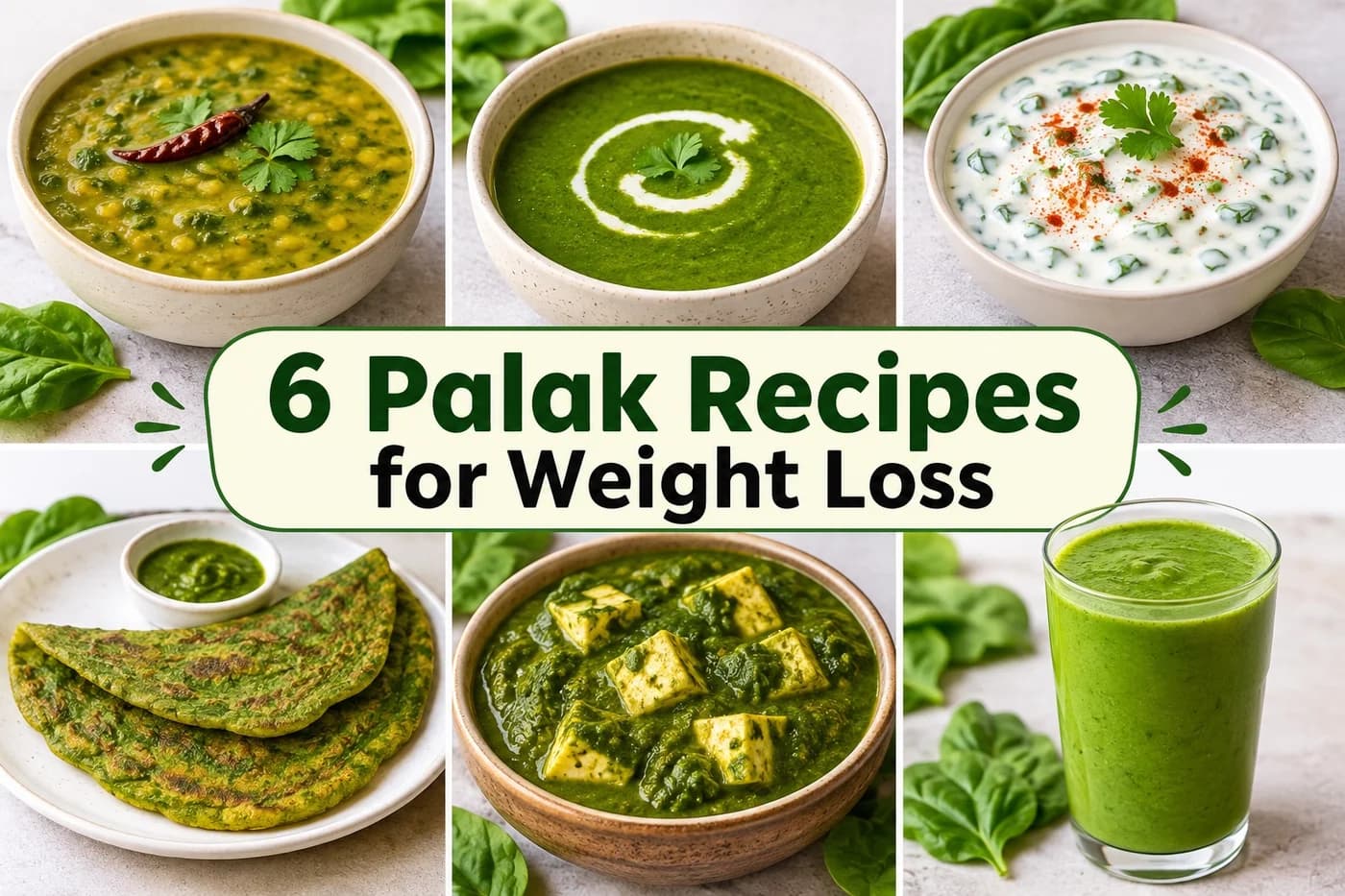
Palak is one of the easiest vegetables to add to an Indian kitchen. It cooks in minutes, blends into dal, soups and batters, and works with almost any masala. These palak recipes for weight loss are everyday dishes: a dal, a soup, a chilla, a lighter palak paneer, a raita and a smoothie.
Spinach will not melt away weight on its own. What it does well is add bulk, fibre and nutrients to a meal, so a plate feels full without extra oil or refined carbs. Combine that with sensible portions and regular movement, and it becomes a useful habit.
Source: ICMR-NIN – My Plate for the Day
Why palak helps with weight management
Leafy greens like palak bring plenty of volume for very little energy, which makes them a natural fit for a weight-conscious plate. Harvard's Nutrition Source notes that fibre can help reduce hunger and keep blood sugar in check, and vegetables are one of the simplest ways to get more of it. Still, meal quality and portions across the whole day matter more than any one vegetable.
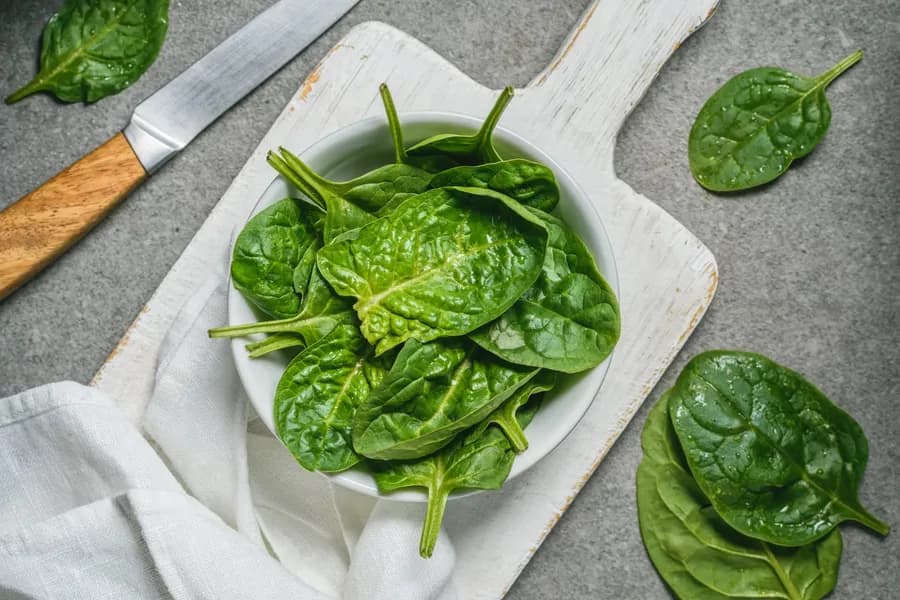
Palak also brings nutrients worth caring about. Harvard lists spinach among the dark green leafy vegetables that supply folate, a B vitamin. Spinach also contains plant (non-haem) iron. This form is harder for the body to absorb than the iron in animal foods. A Cleveland Clinic dietitian explains that eating vitamin C-rich foods in the same meal, such as lemon juice, tomatoes or oranges, can help you absorb more of it. That is why many recipes below finish with a squeeze of lemon or include tomato.
There is one caution. Spinach is high in oxalate. The NIDDK lists spinach among the foods that people with calcium oxalate kidney stones may want to limit. For most healthy people, normal portions are fine, but if you have had stones, ask your doctor how much suits you.
6 palak recipes for weight loss
1. Palak Dal
For two, you need ½ cup moong or toor dal, 2 cups chopped palak, 1 tomato, 1 tsp ghee, ½ tsp jeera, a pinch of haldi, 2 garlic cloves and lemon juice. Pressure cook the dal with haldi until soft. Temper jeera and garlic in ghee, add tomato and palak, and cook for 2 minutes. Pour in the dal, simmer and finish with lemon. Dal brings plant protein, and moong dal in particular is light and easy to digest for many people. A bowl of this with one roti or a small portion of rice makes a balanced, filling meal.
2. Palak Soup
For two, take 3 cups palak, ½ onion, 2 garlic cloves, a small piece of ginger, 1 tsp oil or ghee, pepper and ½ cup milk (optional). Sauté onion, garlic and ginger, add palak and 1½ cups water, and cook for 3 to 4 minutes. Blend until smooth, add milk if you like it creamy, and season with pepper and a little salt. Do not overcook, or the soup turns dull green. A warm bowl before dinner may help you feel fuller, and it is an easy way to eat a large amount of greens.
3. Palak Chilla
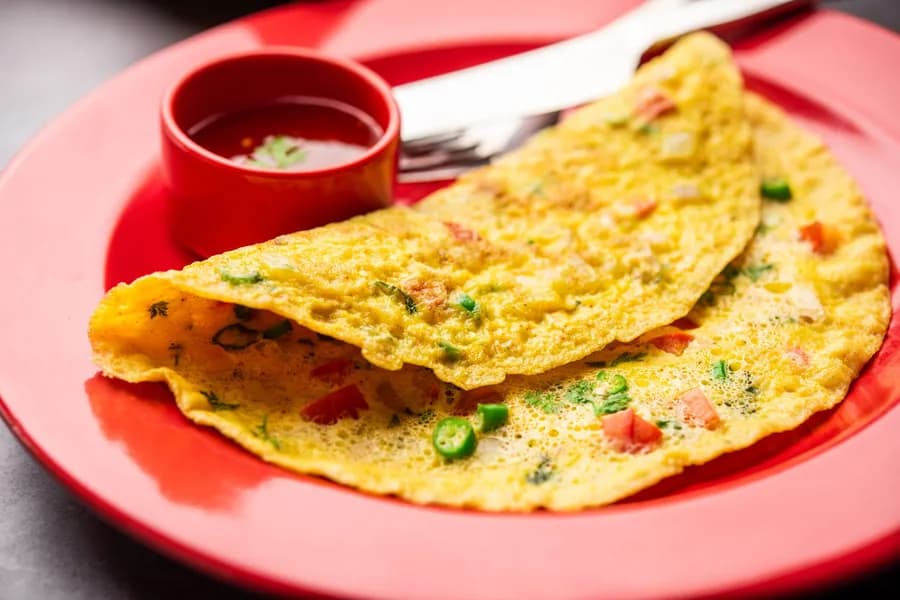
For two, use ¾ cup besan, 1 cup finely chopped palak, ½ onion, 1 green chilli, ½ tsp ajwain, salt and water. Whisk into a pourable batter, rest it for 10 minutes, then spread thin on a hot tawa with a few drops of oil. Cook both sides until golden. Besan adds protein and fibre, which makes this a satisfying breakfast. If you like this style, try our besan cheela with millet and veggies. Serve with curd or mint chutney.
4. Light Palak Paneer
For two, use 4 cups palak, 100 g paneer, 1 onion, 1 tomato, 1 tsp ginger-garlic paste, 1 tsp oil, ½ tsp jeera, garam masala and 2 tbsp curd. Blanch the palak for 1 minute, cool it in cold water and blend. Sauté jeera, onion, ginger-garlic and tomato, add the purée and simmer for 5 minutes. Whisk in curd on low heat, then add paneer cubes. This version skips cream and butter and uses a modest amount of paneer for protein. To learn how much protein paneer gives, read our guide to 50 g paneer protein.
5. Palak Raita
For two, take 1 cup curd, 1 cup finely chopped palak, ½ tsp roasted jeera powder, a pinch of black salt and a little chilli. Wilt the palak in a dry pan for a minute, cool it and squeeze out the water. Stir it into whisked curd with the spices. Curd adds protein, and this raita turns a plain roti or pulao into a more complete meal.
6. Palak Smoothie
For one large glass or two small, blend 1 cup raw palak, 1 small banana or apple, ½ cup curd or milk, 1 tbsp soaked oats, a few mint leaves and water. Use whole fruit rather than juice, and skip the sugar or honey. Keep it to a small glass in the morning, since a smoothie is easier to over-drink than a bowl of food is to over-eat. Adding a little orange or amla may help with iron absorption too.
How to include palak in a healthy diet
Think of palak as a way to fill half your plate with vegetables, as the ICMR-NIN My Plate idea suggests. Add a handful to dal, sabzi, upma, paratha dough or khichdi. Two or three palak dishes a week is an easy start, and you can build from there.
Always pair it with protein, such as dal, paneer, curd, besan or tofu, and add a vitamin C food like lemon, tomato or amla. Cook it lightly, since overcooking turns it watery and dull. Blanching briefly helps palak keep its colour and may reduce some of the oxalate, though it does not remove it.
Tips and who should be careful
When you cook these palak recipes for weight loss, wash the leaves well in several changes of water, since soil hides in the stems. Use fresh leaves within a day or two.
If you have had kidney stones, especially calcium oxalate stones, talk to your doctor before eating large amounts of spinach. People with chronic kidney disease may need to limit potassium and phosphorus, so follow your dietitian's advice on leafy greens. If you take warfarin, MedlinePlus advises keeping your intake of leafy greens like spinach steady from week to week, so do not suddenly eat a lot more.
How Habuild can help
Habuild's live yoga and fitness sessions, along with mindful eating habits, can support a healthy lifestyle alongside palak recipes for weight loss and other simple swaps.
Editorial Sources
- Harvard T.H. Chan School of Public Health – The Nutrition Source: Folate (Folic Acid)
- Cleveland Clinic – Should You Take Iron With Vitamin C?
- NIDDK – Eating, Diet, & Nutrition for Kidney Stones
- Harvard T.H. Chan School of Public Health – The Nutrition Source: Fiber
- MedlinePlus (NIH) – Taking warfarin
Health Disclaimer
This article is for general information only and is not medical advice. If you have kidney stones, a kidney condition, take blood thinners or have any food allergy, please talk to your doctor or a registered dietitian before changing your diet.
Frequently Asked Questions
Related Articles
Protein in 50 g Paneer: How Much Does a Small Portion Provide?
A 50 g portion of regular paneer often supplies about 9 to 10 g protein. Learn the simple calculation and how the serving fits a full meal.

Moong Dal Benefits: Nutrition, Cooking and Meal Ideas
Moong dal is split mung bean, sold with or without the green skin, and provides plant protein, fibre and micronutrients.

Besan cheela recipe with millet and veggies
Besan millet veggie cheela combines vegetarian protein from besan, variety from millet flour, and fibre from grated vegetables in one simple pan-cooked.