
Protein in 50 g Paneer: How Much Does a Small Portion Provide?
A 50 g portion of regular paneer often supplies about 9 to 10 g protein. Learn the simple calculation and how the serving fits a full meal.
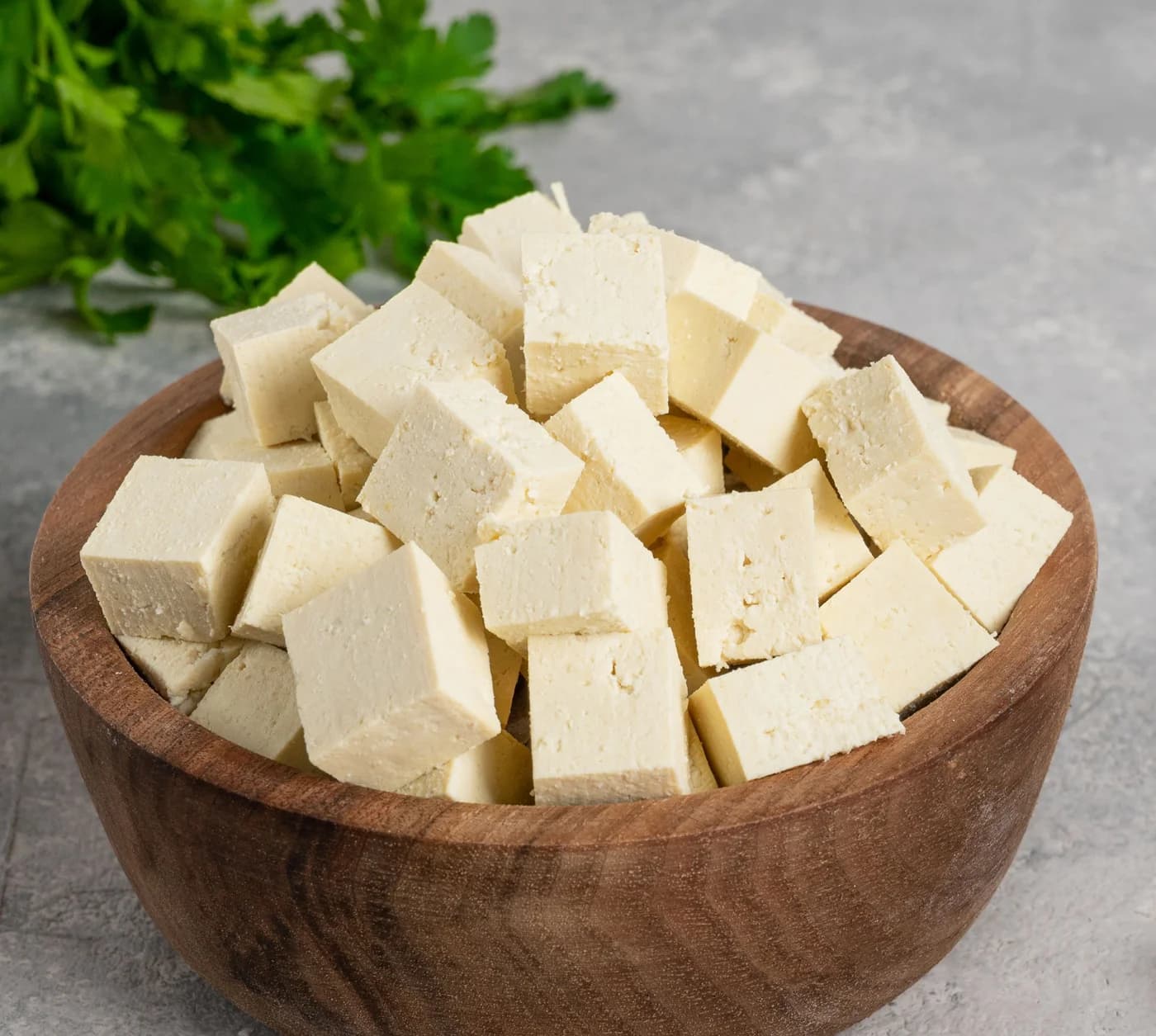
Key Takeaways
- 50 g of paneer gives about 9 to 10 g of protein.
- 50 g of paneer is not 50 g of protein.
- Build a full meal around the portion.
- Keep fresh paneer chilled.
A 50 g portion of regular paneer often provides around 9 to 10 g of protein, although the amount varies with the product and how it is made. Fifty grams of paneer does not mean 50 g of protein. It is a small serving of food containing protein, fat, water and other components. Understanding that distinction helps you use paneer sensibly without expecting a few cubes to cover a whole day's needs.
The easiest calculation
Halve the protein figure given for 100 g of your paneer:
- At 20 g protein per 100 g, a 50 g serving provides 10 g.
- At 18 g protein per 100 g, a 50 g serving provides 9 g.
You only need the protein figure for the actual paneer you use and the amount you eat. Multiply the per-100 g figure by 0.5 for a 50 g portion. This is more useful than choosing one internet number and assuming every homemade and packaged paneer matches it.
The figure refers to the paneer itself. Adding vegetables or gravy changes the weight of the dish, so 50 g of finished paneer curry is not the same as 50 g of paneer.
Why the protein amount varies
Paneer is made by coagulating milk and draining the whey. Milk composition and the amount of moisture retained affect the final food. A softer, wetter paneer may differ from a drier block.
Regular, low-fat and specially formulated high-protein paneer are also different products. A current manufacturer's example of high-protein paneer lists 12.5 g protein in 50 g, but that should not be applied to ordinary paneer.
Homemade paneer does not come with a fixed laboratory value. You can use a reasonable estimate for everyday planning, while recognising that exact figures require information about the actual batch. There is no need to pretend that a kitchen estimate is precise to a decimal place.
What 50 g looks like
A small kitchen scale is the most dependable way to learn the portion once. The number of cubes is unreliable because one person's cube may be twice the size of another's.
For a 200 g block, dividing it into four equal portions gives approximately 50 g each. If you are sharing a 100 g portion between two people, each gets about 50 g before any cooking losses or additions.
After doing this a few times, you may recognise your usual amount without weighing every meal. The purpose is to understand the serving, not to make lunch feel like a measurement test.
Protein is useful, but it is not the only component
Paneer supplies dairy protein and can contribute calcium and other nutrients. Regular full-fat paneer also contains a substantial amount of fat, including saturated fat.
Using an illustrative product with 300 kcal per 100 g, 50 g would provide about 150 kcal before cooking additions. This is an example calculation, not a universal calorie value. Lower-fat and high-protein versions can differ considerably.
If your goal is to increase protein without adding much energy, the choice of product and recipe matters. A creamy gravy, a thick batter or deep frying can add more than the small paneer portion itself. Protein does not cancel those additions.
Build a meal around the portion
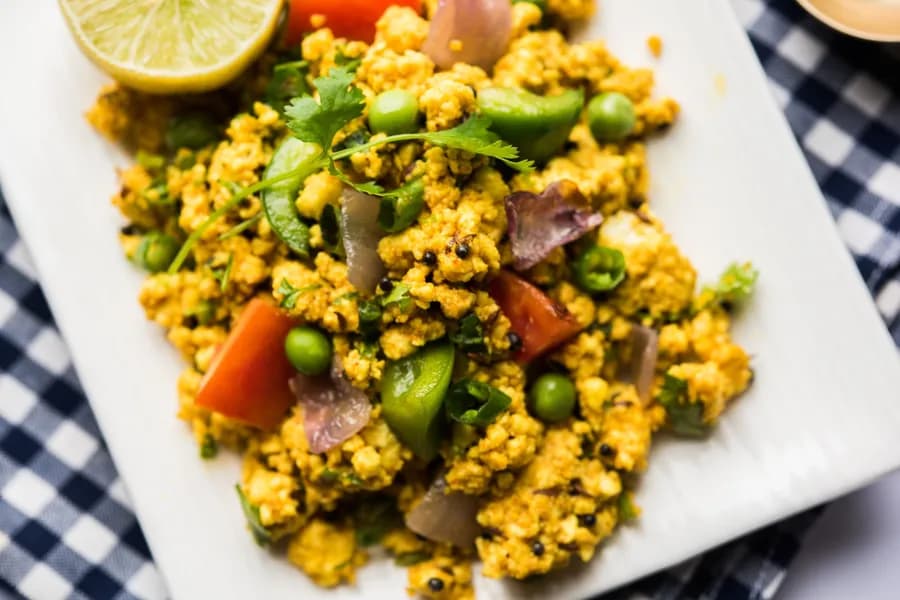
A 50 g portion can contribute to breakfast in a paneer bhurji with vegetables, served with roti. At lunch, small cubes can go into a vegetable dish alongside dal and rice or roti.
For a snack or light meal, crumble paneer into a roti filling with herbs and cooked vegetables. How substantial it needs to be depends on hunger and the time until your next meal.
You can also combine paneer with a pulse food. For example, a modest paneer serving alongside moong dal provides protein from more than one source. There is no rule that each meal must rely on a single hero ingredient.
Is 50 g enough for muscle building?
It is a contribution, not a complete answer. Protein requirements depend on body size, activity, age and health. The day's total and the distribution across meals matter more than whether one small serving is labelled high protein.
For someone doing strength training, a meal containing only a few paneer cubes may need another protein food or a larger suitable portion. That could mean dal, curd, tofu or another option that fits the meal.
Training provides the stimulus for muscle adaptation. Paneer cannot replace progressive resistance work, adequate overall food and recovery. You do not need to eat it immediately after a workout if a normal meal with enough protein is coming soon.
Can paneer fit during fat loss?
Yes. It can help make a meal satisfying, but the portion and preparation still count. A measured serving with vegetables is different from repeatedly adding extra cubes because the food contains protein.
Lower-fat paneer may suit some people, while others prefer a smaller portion of the regular version. You can rotate with tofu, pulses and curd rather than forcing the same food daily.
Do not remove all grains or skip the next meal to make room for paneer. A sustainable eating pattern should provide enough energy, fibre and variety. Fat loss does not require turning every plate into a protein-only dish.
Allergy and medical diets change the advice
Paneer is unsuitable for someone with a milk-protein allergy. Cooking it does not remove that risk. Lactose intolerance is different: tolerance can vary, but paneer should not automatically be assumed lactose-free.
If you have a prescribed kidney diet or another condition requiring protein, phosphorus or other restrictions, use that individual plan. A general recommendation to increase protein may not apply.
For young children, use an appropriate soft texture and manageable pieces. The adult 50 g calculation is a nutrition example, not a required child serving or a reason to pressure a child to finish.
Keep fresh paneer safely chilled
Follow refrigeration instructions and use clean utensils when taking a portion. Homemade paneer is also perishable; do not leave it warm for hours because it was freshly made.
If carrying a paneer meal to work or school, keep it appropriately cold until eating, or use a method that safely holds a hot meal. A long warm commute affects safety even when the dish smells normal.
Once you know your usual product and portion, the calculation becomes simple. Let paneer do a useful job in the meal, while other foods contribute the rest of your day's nutrition.
Editorial sources
Frequently Asked Questions
Related Articles
Tofu vs Paneer: Protein, Calcium, Fat and Best Uses
How tofu and paneer compare on protein, calcium, fat, tolerance and cooking, and why alternating them often works better than picking a winner.

High Protein Vegetarian Foods: The Complete Indian Food List
Indian kitchens are already full of high protein vegetarian foods — dals, paneer, tofu, soy, and dairy. See the complete list, with protein counts, and.
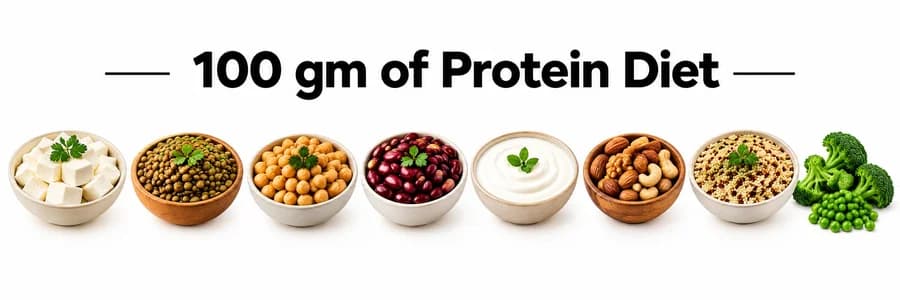
A 100 Gram Protein Diet: A Practical Vegetarian Example
See how a suitable protein target can be built from ordinary meals without compulsory shakes.

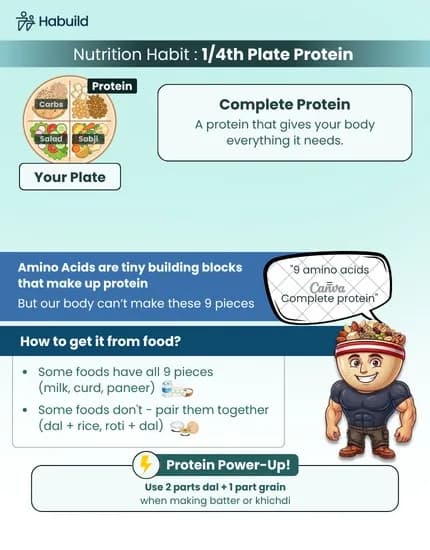
Complete Protein Foods: Can Vegetarian Meals Cover Your Protein Needs?
You do not need to combine foods at every meal. What matters is how much protein you eat overall, how varied your food is and whether you eat enough.