
Moong Dal Benefits: Nutrition, Cooking and Meal Ideas
Moong dal is split mung bean, sold with or without the green skin, and provides plant protein, fibre and micronutrients.

Key Takeaways
- Moong dal provides plant protein, fibre, folate, iron and potassium alongside carbohydrate.
- Soaking shortens cooking time but is not essential for quick-cooking yellow moong.
- Raw sprouts can carry bacteria; high-risk groups may need to choose thoroughly cooked sprouts.
- Increase portions gradually if gas is a problem, and tailor them for diabetes or kidney disease.
Moong dal is split mung bean, sold with or without the green skin. It provides plant protein, carbohydrate, fibre and micronutrients and is used in dal, khichdi, cheela and soups. Moong dal benefits are most useful when the pulse is cooked safely and combined with vegetables, grains or other foods that complete the meal.
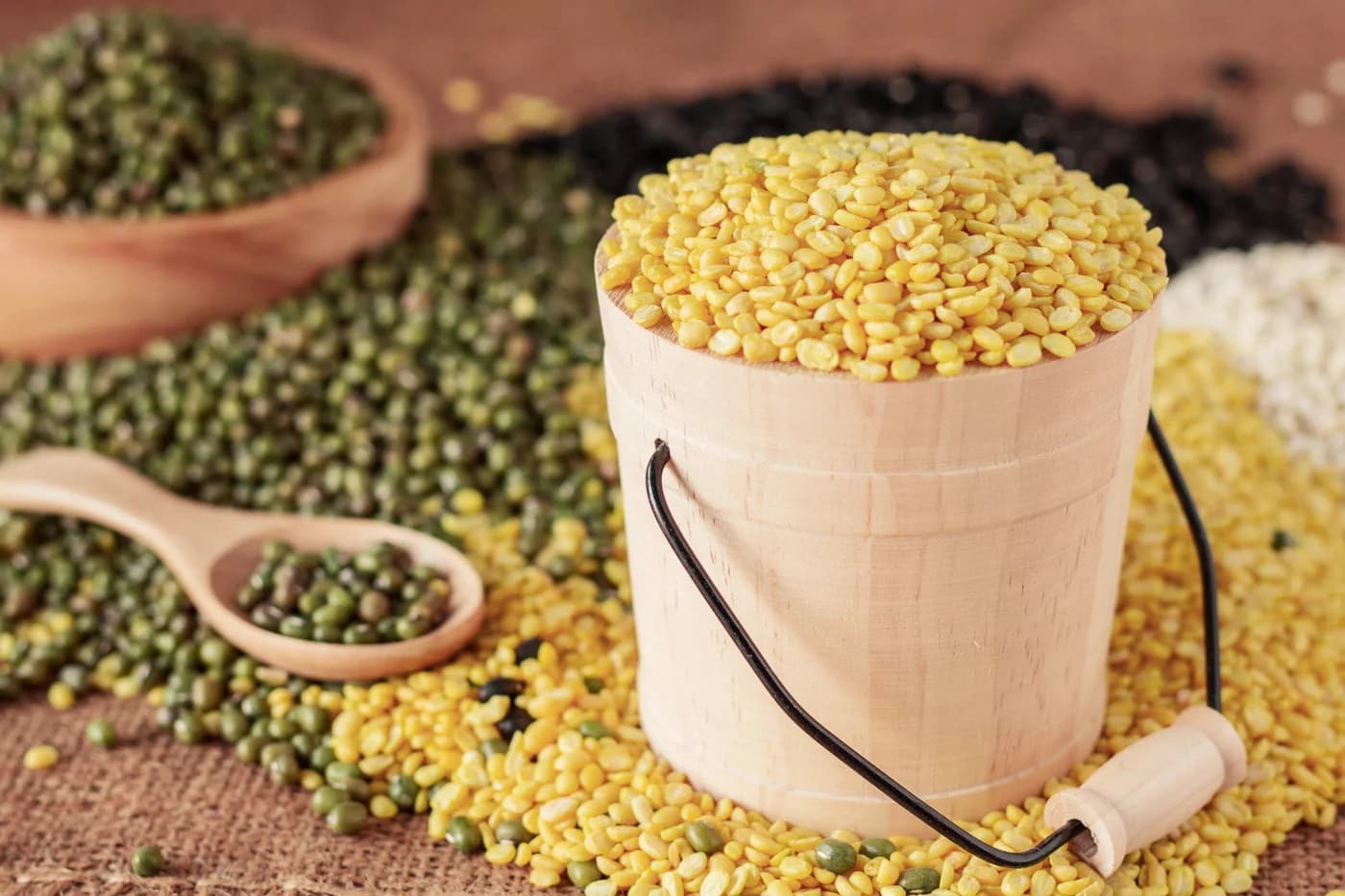
Whole mung, split green and yellow moong
Whole green mung retains the seed coat, split green moong has the skin, and yellow moong is split and skinned. They differ in texture, cooking time and fibre, but all belong to the same pulse family.
Yellow dal cooks softly and can suit khichdi or soup. Whole mung works in curries, in salads after thorough cooking, and for sprouting. Choosing one form over another depends on the dish and tolerance, not a claim that only one provides moong dal benefits.
Protein, fibre and micronutrients
Moong dal contributes protein but is not as protein-dense as a concentrated supplement. Combining it with rice, roti or another grain across the meal improves the amino acid pattern. It also provides folate, iron, potassium and other nutrients. Affordable plant protein is one of the most practical moong dal benefits.
Plant iron is absorbed less efficiently than haem iron. Add lemon, tomato, guava or another vitamin C source and avoid presenting dal as a cure for anaemia. A diagnosed deficiency may need testing and treatment.
Soaking and pressure cooking
Sort the dal, remove stones or debris and rinse with clean water. Soaking can reduce cooking time and may improve texture, but quick-cooking yellow moong can often be prepared without a long soak. Discard soak water if the recipe or tolerance calls for it.
Cook until tender, especially for children, older adults or anyone with chewing difficulty. Pressure cooking is convenient when used according to appliance instructions and can reduce fuel use. Undercooked pulses can be unpleasant and harder to digest.
Khichdi, cheela and balanced plates
Combine moong with rice, vegetables and modest oil for khichdi. Add curd or another suitable side if desired. A soft meal can be comforting during illness, but it does not treat infection or replace oral rehydration or medical care.
Soaked dal can be ground with spices for cheela and filled with vegetables or paneer. Dal with roti and sabzi is another simple option. Salt, ghee and accompaniments determine the final meal as much as the pulse itself.
Digestion and gradual portions
Pulses contain fermentable carbohydrates that may cause gas, particularly when intake rises suddenly. Start with a comfortable portion, cook thoroughly and increase gradually. Individual tolerance matters more than rigid soaking or spice rules.
Persistent bloating, pain, diarrhoea, constipation or weight loss deserves assessment. Hing, ginger or cumin may improve flavour but do not diagnose or cure a digestive disorder.
Blood glucose and kidney needs
Moong dal contains carbohydrate as well as protein and fibre. People with diabetes can include it within an individual portion and monitor as advised. Turning dal into a fried snack changes the energy density and should be considered separately.
Kidney disease may require tailored potassium, phosphorus, protein or fluid intake. Do not assume all pulses must be avoided or eaten freely; the stage of disease and treatment plan matter.
How much dal is appropriate?
There is no single bowl size for everyone. Appetite, age, activity, total protein intake and medical conditions all matter. A small side of dal differs from a large bowl used as the main protein source, so review the whole day instead of counting only one meal.
People increasing vegetarian protein may add pulses gradually and rotate forms such as dal, tofu, curd and beans. Supplements are not automatically required when ordinary food can meet needs.
Meal planning for different ages
A soft moong khichdi can be adapted for children, older adults or people recovering appetite, but seasoning, texture and energy density should match individual needs. Very watery dal may provide less nutrition per spoonful, so add suitable oil, vegetables or protein sides when extra nourishment is needed. If a child refuses plain dal, try a different texture such as cheela, khichdi or a thicker soup rather than adding excessive salt.
Sprouting safely
Warm, moist sprouting conditions can also support bacterial growth. Wash hands and equipment, use clean seeds and water, refrigerate sprouts and follow reliable food-safety guidance. Rinsing cannot guarantee that contaminated raw sprouts are safe.
Pregnant people, young children, older adults and anyone with weakened immunity may be advised to avoid raw or lightly cooked sprouts. Thorough cooking lowers risk. Sprouted mung and cooked dal are different foods and should not share one safety claim.
Buying and storage
Compare price, cleanliness and cooking time rather than assuming a branded wellness pack is nutritionally superior. Keep dry dal airtight and away from moisture, insects and heat; flour or ground batter may spoil sooner than whole mung.
Refrigerate cooked dal promptly in a shallow covered container and reheat thoroughly. Do not leave a large pot at room temperature for many hours, and avoid repeatedly warming and cooling the same pot. Freeze extra portions soon after cooking.
The practical conclusion
Moong dal benefits include affordable protein, fibre and flexibility. Rotate it with masoor, chana, rajma, soy and other protein foods, and build meals around taste and tolerance rather than treating one dal as a miracle.
Editorial sources
Frequently Asked Questions
Related Articles
Lentils Nutrition: Protein, Fibre, Cooking Tips and Easy Meals
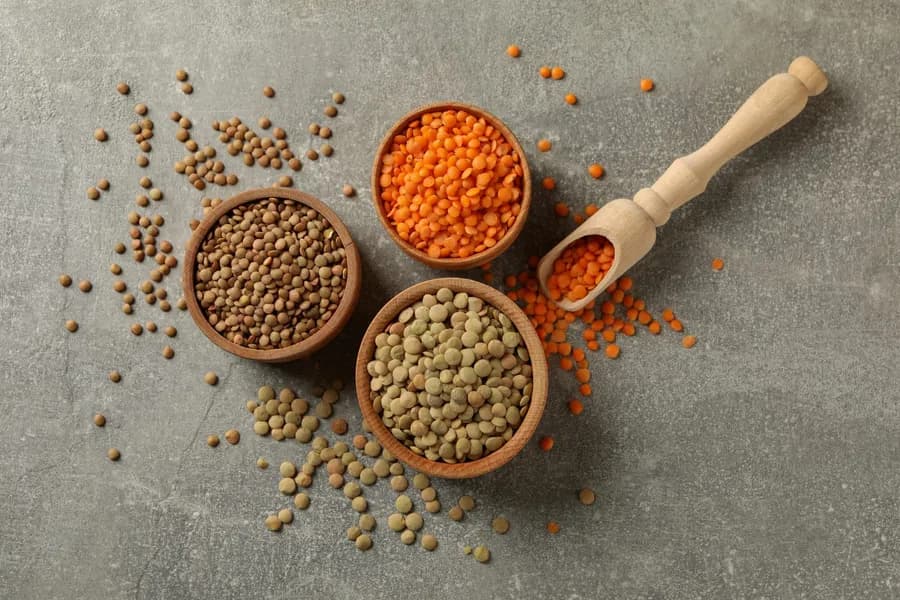
Lentils provide plant protein, fibre, folate, iron and potassium. Different dals cook at different speeds but share a useful nutrition profile.

Green Lentils Benefits: Nutrition, Protein and Fibre Explained
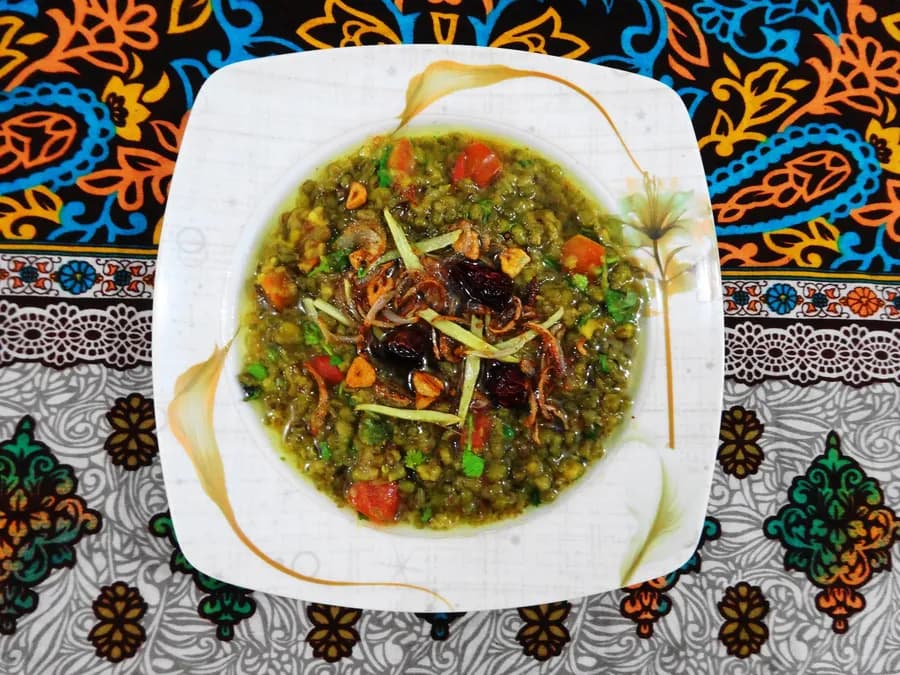
Whole green lentils — sabut moong or whole masoor — keep their outer seed coat through processing, which shapes their fibre content and cooking time.
Moong Dal Soup Recipe: A Light Protein-Rich Meal
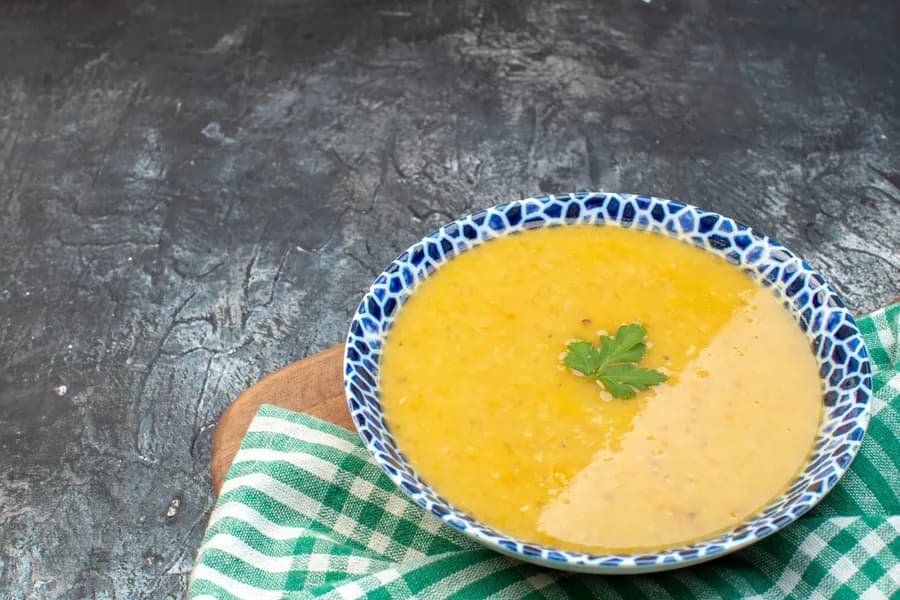
A simple moong dal soup with jeera, haldi, and a little ghee makes a light, protein-rich meal that works for lunch, dinner, or recovery after a tiring.