
Paleo Diet: Rules, Possible Benefits and Vegetarian Limitations
The Paleo diet removes grains, pulses, dairy and refined sugar, which makes a strict vegetarian version unusually restrictive.
Key Takeaways
- Strict Paleo removes grains, pulses, dairy and refined sugar, based on an imagined ancestral diet.
- Benefits mostly come from cutting processed foods and excess calories, not from banning grains.
- Without dal, soy or dairy, vegetarians struggle to meet protein, calcium and fibre needs.
- Stop and reassess if a plan brings fatigue, constipation, menstrual changes or food anxiety.
The Paleo diet attempts to imitate an imagined pre-agricultural pattern, but there was no single ancestral menu. Modern versions remove grains, pulses, dairy, refined sugar and many processed foods, making a strict vegetarian version unusually restrictive.
The history is simpler than the real past
Ancestral diets differed widely by geography, season and availability. Current Paleo plans are contemporary rule sets, not exact reconstructions. Their emphasis on minimally processed food can be useful, yet the historical label does not prove that every exclusion improves health. A plan should be judged by nutritional adequacy, practicality and evidence.
What strict Paleo excludes
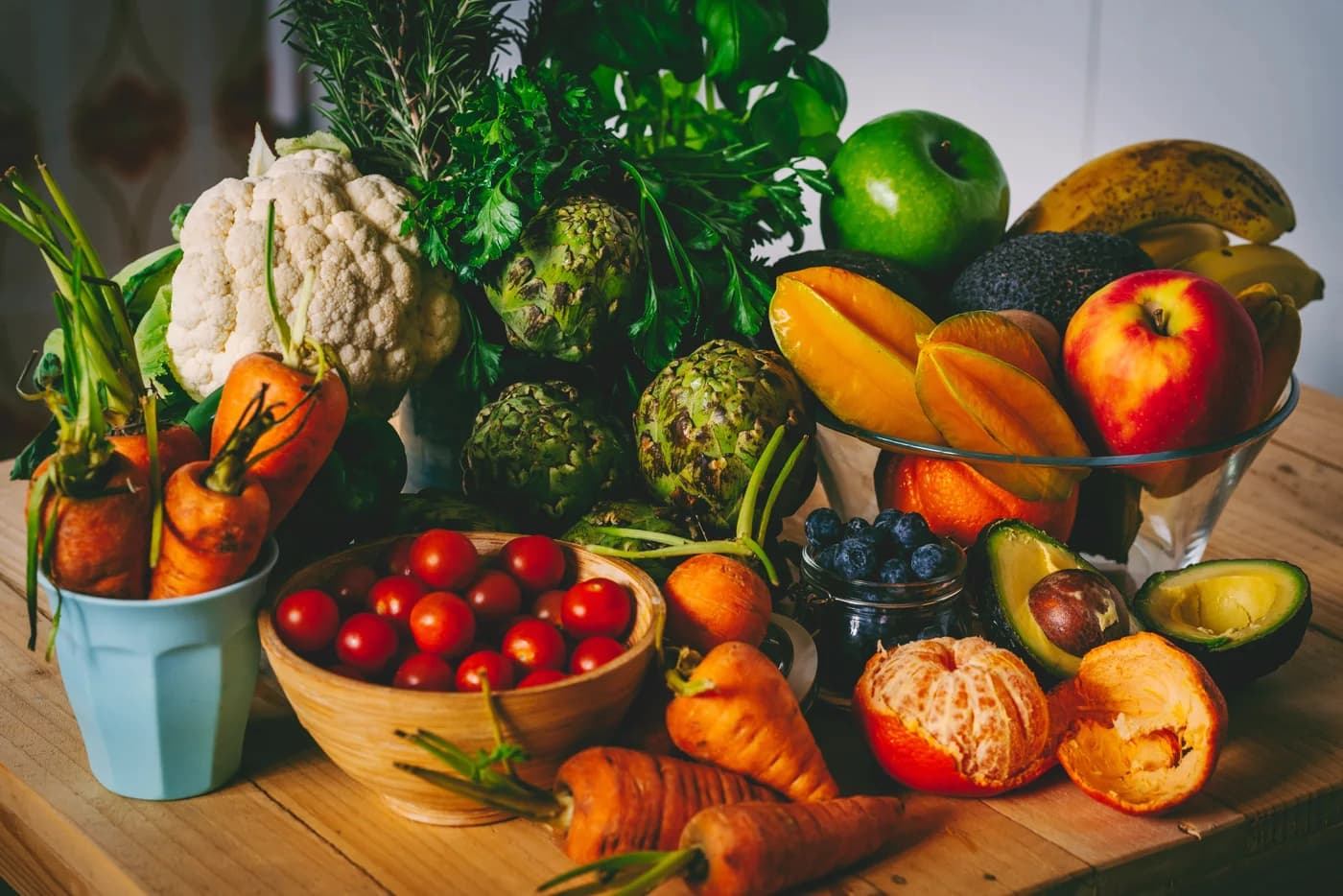
Most versions remove grains, pulses and dairy. For vegetarians, that means losing dal, beans, chickpeas, soy, wheat, rice and often curd, milk and paneer, which are major sources of protein, calcium, iron, energy and variety. What remains, such as vegetables, fruit, nuts, seeds, tubers and oils, can be nutritious, but it makes adequate protein difficult without very large portions or exceptions to the rules.
Someone who excludes all animal-derived food faces an even narrower plan. Calling a diet "clean" does not solve gaps in vitamin B12, calcium, iodine, iron, zinc or energy.
Why some people notice changes
Weight or glucose markers may improve when packaged snacks, sugary drinks and excess calories are reduced. That does not prove grains or pulses are harmful; similar benefits can occur with balanced plans built on traditional staples such as dal, beans, whole grains and curd.
Early scale changes can also reflect water and glycogen when carbohydrate intake falls, which is not the same as rapid body-fat loss. Evaluate trends over weeks alongside strength, energy, hunger and health markers.
Protein and nutrient gaps
Without pulses, soy or dairy, protein planning depends heavily on nuts and seeds, which are energy-dense. Removing whole grains, pulses and dairy can also lower fibre, calcium and B-vitamin intake. Supplements should not be used to justify an unnecessarily narrow pattern. Restrictive plans may be unsuitable during growth, pregnancy, older age or athletic training.
Grains and pulses are not automatically inflammatory
Whole grains and pulses provide fibre, micronutrients and plant protein, and many people tolerate them well. Gas from beans can improve with gradual portions, soaking and thorough cooking; it does not prove systemic inflammation or require permanent avoidance.
People with coeliac disease must avoid gluten-containing grains, but gluten-free grains and pulses may still fit. Individual allergies or gastrointestinal conditions need diagnosis rather than a broad internet list of "inflammatory foods".
Digestive changes during transition
Removing grains and pulses can reduce fibre variety, while suddenly eating more raw vegetables and nuts may cause bloating. Constipation is possible when total fibre, fluid or food intake falls, so make changes gradually and notice bowel patterns.
Persistent pain, bleeding, diarrhoea, weight loss or night-time symptoms should not be labelled "detox". They deserve medical evaluation rather than further elimination.
Social and financial costs
A diet that excludes most restaurant dishes, family staples and affordable pulses can be hard to sustain. Time spent sourcing special ingredients is part of the cost. Before starting, consider work travel, festivals and shared meals rather than planning only for an ideal week. If the rules encourage secrecy, guilt or compensatory restriction, the plan is harming your relationship with food.
How to evaluate a diet claim
Ask what outcome was measured, how long the study lasted and what the comparison group ate. A plan may look successful because it replaces ultra-processed food, not because every excluded category is damaging, and testimonials cannot separate these effects. Consider energy, blood lipids, glucose, nutrient adequacy and mental wellbeing together; one lower scale number is not the whole assessment.
A flexible vegetarian alternative
Keep the useful principle, more minimally processed food, without copying every exclusion. Build meals around vegetables, fruit, minimally processed grains, dal, beans, tofu or soy, nuts, seeds and suitable dairy or fortified alternatives. Limit foods that crowd out nutrition without inventing a prehistoric rule for every ingredient.
Before trying any version of the Paleo diet, decide what problem you want to solve, whether digestive comfort, weight change or simply fewer packaged foods, and how you will measure it. Each goal has less restrictive options.
Who should avoid strict plans
People with a history of eating disorders, kidney disease, digestive illness or those taking diabetes medicines need individual guidance before restricting food groups. Decide in advance what would make you stop. Fatigue, reduced training capacity, constipation, menstrual changes, binge eating or anxiety around food are meaningful signals, not inconveniences to ignore. A diet should support life, not make ordinary eating feel like repeated failure.
Editorial sources
Frequently Asked Questions
Related Articles
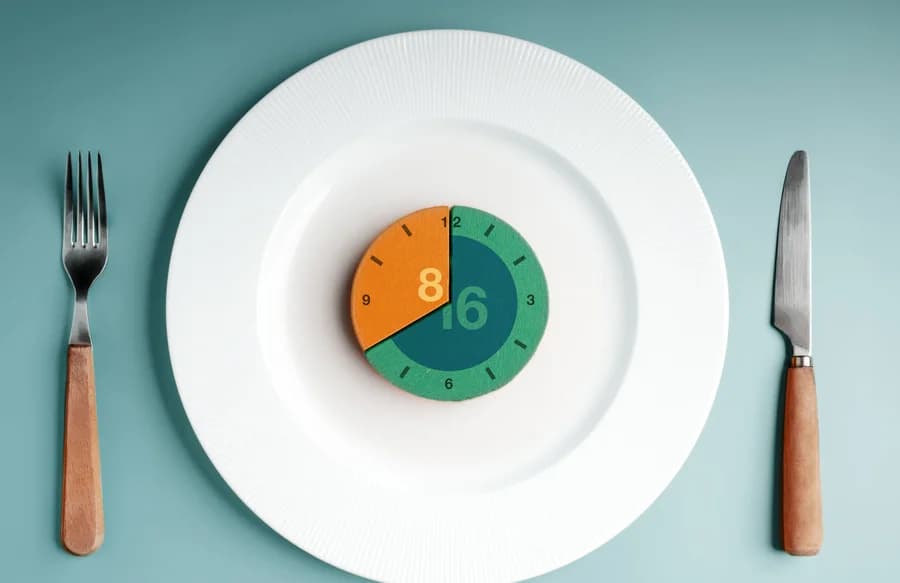
Intermittent Fasting: A Simple and Practical Guide
Intermittent fasting is a common wellness topic, but simple routines and realistic expectations matter more than quick fixes. Learn realistic benefits, simple uses, portions and safety in easy…

Low Carb Diet Foods List for Everyday Indian Meals
A low carb foods list shifts your plate toward protein, vegetables, and healthy fats, while going easy on rice, roti, and sugar. See what to stock up on.

Vegan Diet Basics: A Beginner’s Guide to Going Vegan
A vegan diet excludes all animal products, including dairy, eggs, honey, and ghee — meaningfully stricter than the vegetarian diets most Indian.