
Peppermint Tea: Uses, Preparation and Safety
Peppermint tea is a caffeine-free herbal drink that many people enjoy after meals. Learn what it can and cannot do, and when it may worsen reflux.

Key Takeaways
- Pure peppermint tea is caffeine-free; blends with black or green tea are not.
- IBS evidence is for enteric-coated peppermint oil capsules, not ordinary tea.
- Mint can worsen heartburn in some people; stop if reflux flares.
- Never add peppermint essential oil to tea or use menthol near an infant's face.
- Chest pain, swallowing trouble or black stools need care, not herbal drinks.
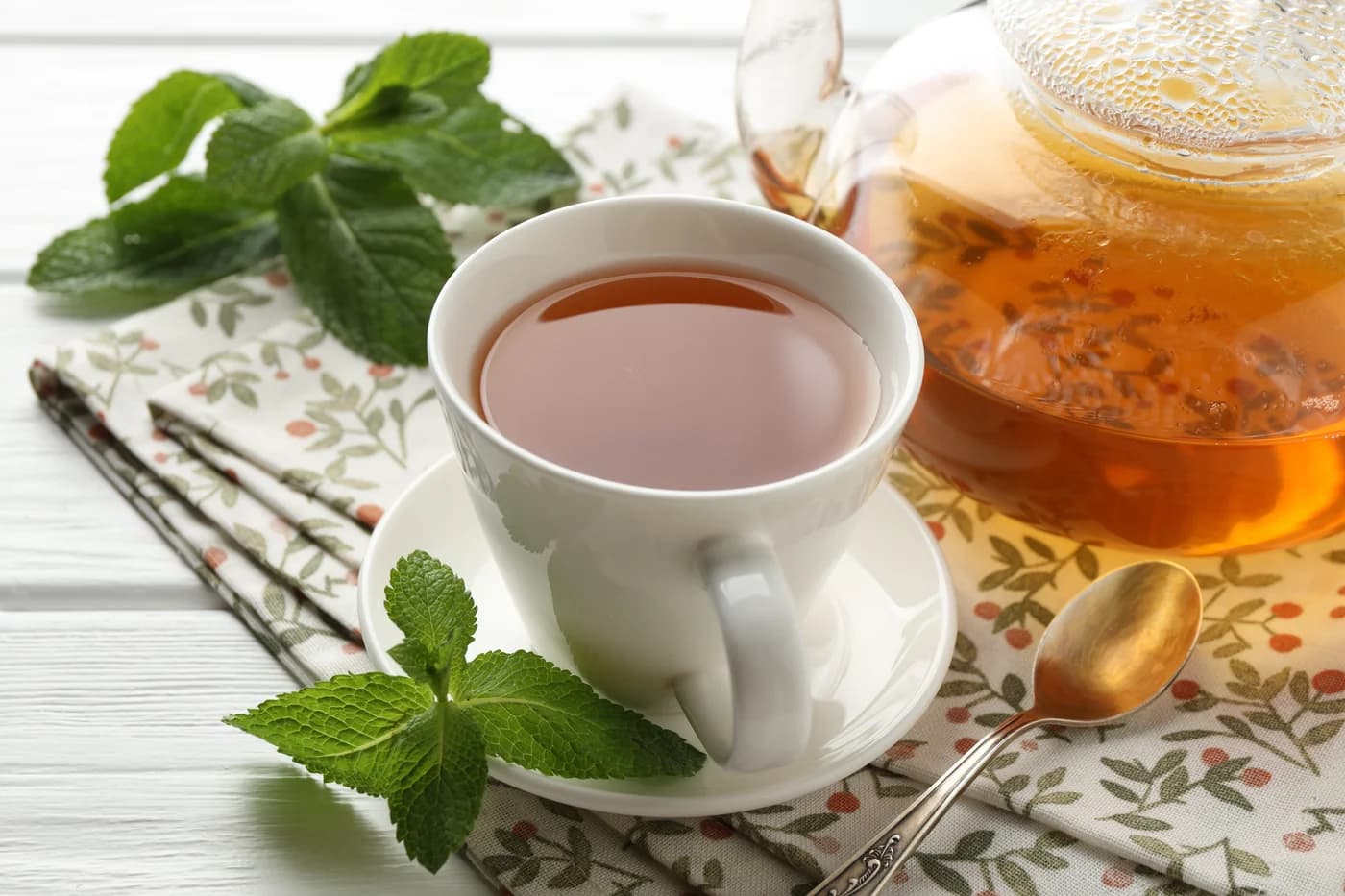
Peppermint tea is a caffeine-free herbal drink with a cool, familiar flavour. Many people enjoy it after meals or in the evening. A soothing cup should not be mistaken for a treatment for every digestive problem, though: it may feel comfortable for one person and worsen heartburn for another.
What peppermint tea can offer
A caffeine-free, unsweetened drink
Unsweetened peppermint tea adds fluid without sugar or caffeine, which makes it an easy evening alternative to regular chai or coffee. Check blended tea bags, however: black tea, green tea, liquorice or other herbs may add caffeine or bring separate safety concerns.
What the research actually covers
According to NCCIH, very little research has been done on peppermint leaf or tea, and there is not enough evidence to say whether it helps any health condition. Most digestive research involves enteric-coated peppermint oil capsules for irritable bowel syndrome (IBS). A review of these capsules found they eased overall IBS symptoms and abdominal pain better than placebo. Tea and concentrated oil are different products, so the capsule results cannot be applied to a cup of tea.
Peppermint is not the same as every mint
Peppermint is one particular type of mint. The fresh pudina sold in local markets is often spearmint or another variety. It still makes a pleasant drink, but studies of peppermint cannot automatically describe every mint leaf. For more on everyday mint, see Habuild's guide to mint leaves benefits.
How to make peppermint tea
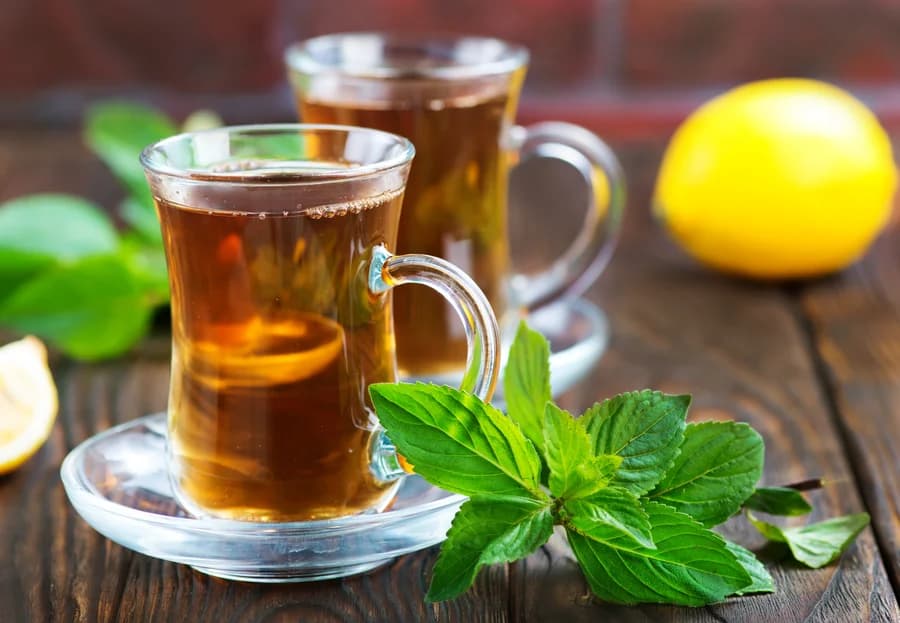
- Steep one tea bag, or a teaspoon of dried leaves, in a cup of hot water for about five minutes.
- For fresh leaves, wash them under clean running water, discard damaged pieces and use a small handful.
- Strain loose leaves and let the cup cool to a comfortable temperature.
- Taste before adding anything. Lemon can aggravate acidity for some people, and honey or sugar several times a day turns a low-calorie drink into a sweet one.
For other caffeine-free blends, try our herbal tea recipes.
When peppermint tea may not suit you
Reflux and heartburn
Peppermint, particularly as oil, may relax the valve between the stomach and the food pipe, and heartburn is a common side effect of peppermint oil. Tea has been studied much less, but if a cup brings on burning, a sour taste or a night-time cough, stop and choose another drink. Drinking a large volume shortly before lying down can also make reflux worse, whatever the herb. Our guide to acidity home remedies covers other practical steps.
Bloating has many causes
If bloating is the problem, look beyond the cup. Eating quickly, fizzy drinks, large late meals, constipation and sudden increases in fibre can all contribute. Change one likely trigger at a time so that an improvement is not wrongly credited to the tea.
Pregnancy, babies and essential oil
Peppermint in amounts normally found in food is likely safe in pregnancy, but little is known about medicinal amounts, so avoid peppermint oil by mouth unless a doctor recommends it. Do not give herbal tea to babies unless a paediatric professional advises it. Menthol, a component of peppermint oil, should not be inhaled by or applied to the face of infants and small children because it may affect their breathing. Never add essential oil to tea.
When to seek medical advice
See a doctor for chest pain, trouble swallowing, vomiting blood, black stools, unexplained weight loss or abdominal pain that keeps returning. If you have IBS and want to try peppermint oil capsules, ask a pharmacist; the NHS lists peppermint oil among the medicines that can help with bloating and cramps.
Editorial sources
Frequently Asked Questions
Related Articles
Mint Leaves Benefits, Uses and Safety
How to use fresh mint (pudina) in everyday food, what the evidence shows, why it can trigger reflux and how peppermint oil differs.

Herbal Tea Recipes: 5 Simple Blends for Daily Routine
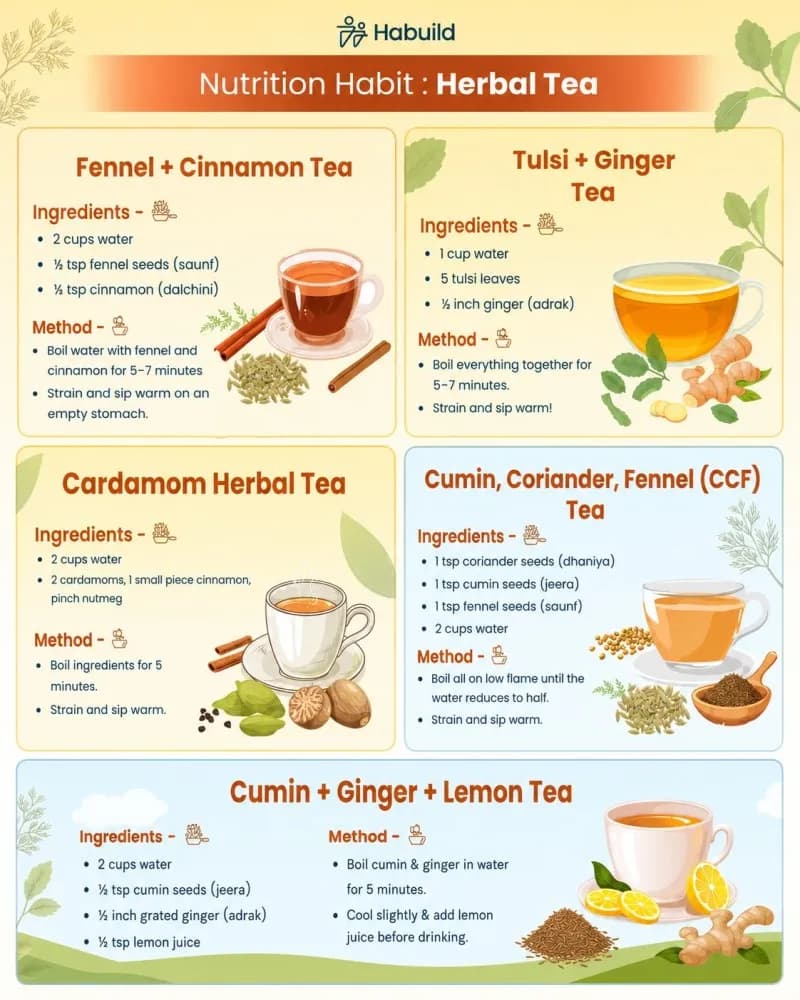
These five herbal tea blends use common Indian kitchen ingredients like fennel, cinnamon, tulsi, ginger, and cardamom — light, warm drinks, not medicine..
Chamomile Tea: Possible Benefits, Timing and Safety
Chamomile is a caffeine-free herbal infusion made from dried flowers, often used as part of a bedtime routine. Learn timing and safety.

Acidity Home Remedies (Heartburn & GERD Relief Guide)
Acidity is a burning sensation in the chest or throat after eating, caused by stomach acid moving up the food pipe. See home remedies for instant relief.