
Phytates in Food: Should You Worry About Antinutrients?
Phytates can affect mineral absorption, but removing nutritious plant foods is rarely the answer. Use practical preparation and meal combinations.
Key Takeaways
- Phytates can reduce some mineral absorption.
- Keep pulses and whole grains on the menu.
- Soaking, fermenting and sprouting reduce phytates.
- Pair plant iron with vitamin C.
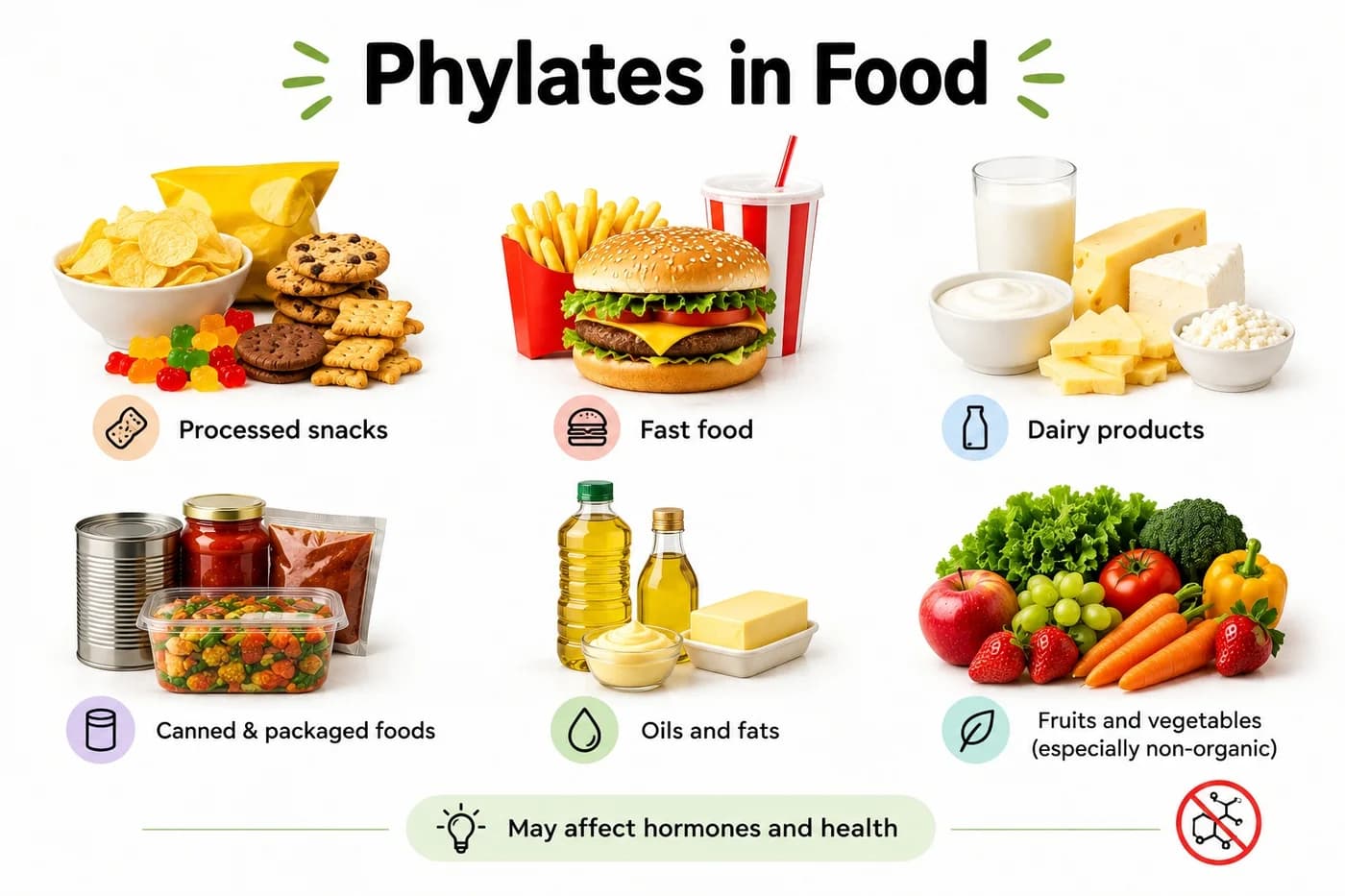
Phytates are natural compounds in foods such as whole grains, beans, nuts and seeds. They can reduce absorption of some minerals from a meal, which is why they are often called antinutrients. That description can sound more alarming than the everyday reality. For most people, removing dal, chana, nuts or whole grains would sacrifice useful nutrition. A varied diet and sensible preparation are better starting points than trying to eliminate phytates.
What the term means
Phytic acid is a storage form of phosphorus in plants. Its salts are commonly called phytates, and the words are often used loosely together in food discussions.
Plants store it particularly in seeds and grain tissues. It is therefore present in foods that also supply protein, fibre, minerals or useful fats. Finding phytate in a food does not tell you whether the food is healthy overall.
It is also different from lectins, oxalates and gluten. Online advice sometimes groups these compounds together as though soaking or avoiding one will solve every concern. Their properties and the reasons someone might need to manage them differ.
What happens to iron and zinc?
Phytate can bind minerals in the digestive tract, making some less available for absorption. The effect is well recognised for zinc and non-haem iron, the form found in plant foods.
The amount absorbed depends on the whole meal, the food's preparation and the person's nutritional status. A food's mineral content is not the same as the amount your body takes in, but reduced absorption does not mean zero absorption.
This distinction is important when someone says beans steal minerals from your body. The main issue is mineral availability during digestion, not a cooked dal reaching into your bones to remove nutrients. A frightening metaphor does not describe how the food works.
Who has more reason to pay attention?
The concern is greater when a diet is very limited, relies heavily on a few high-phytate staples and supplies too little available iron or zinc overall. Children with restricted diets and people with low intake or diagnosed deficiency may need more focused planning.
In a varied diet, foods containing phytates can remain useful contributors. Their fibre, protein and other components are not erased by the presence of one compound.
If you have persistent fatigue, poor growth or another possible deficiency concern, seek an appropriate assessment. These symptoms have many causes. Cutting out pulses based on a social-media explanation can make the diet narrower without solving the problem.
Keep pulses and whole grains on the menu
Dal, rajma, chana, oats, whole-wheat foods, nuts and seeds are not foods most people need to remove. They can support a nutritious eating pattern and provide affordable vegetarian protein and fibre.
Refining grains can reduce phytate by removing outer layers, but it also removes fibre and some nutrients. That trade-off does not make refined food automatically the better choice.
Likewise, peeling every nut or seed is not necessary for an ordinary balanced diet. Choose textures and forms you enjoy, and avoid turning preparation into a long ritual that discourages you from using nutritious food.
What soaking can and cannot do
Soaking is useful for many dried beans because it helps with cooking and texture. Its effect on phytate varies with the food, time, temperature and other conditions. It does not reliably remove every antinutrient.
Follow a normal, safe preparation method for the pulse. In hot weather, long soaking needs appropriate temperature control rather than leaving a bowl fermenting unpredictably on the counter.
Do not assume that overnight soaking makes raw beans safe to eat. Kidney beans and other pulses still need the correct cooking method. Safety and digestibility are more immediate reasons to prepare them properly than trying to achieve a perfect phytate percentage.
Fermentation and sprouting change the food
Fermentation can reduce phytate under suitable conditions. Human studies of particular breads show that reducing phytate can improve mineral absorption, but the size of the effect varies with the process and food.
Sprouting may also change phytate and nutrient availability, though it introduces its own food-safety considerations. Raw sprouts can carry harmful bacteria, so cooking is especially important for people at higher risk, including during pregnancy.
Traditional idli or dosa preparation can be a useful way to enjoy fermented foods. It does not need to be described as removing every harmful substance. A claim about a measured laboratory process should not be stretched into a promise about every home batch.
Pair plant iron with vitamin C
Vitamin C helps absorption of non-haem iron. A practical approach is to include a suitable vitamin-C-containing food with a pulse or grain meal rather than trying to strip all phytate from it.
Examples include:
- Add lemon to cooked chana just before eating.
- Include tomato or capsicum with a bean dish.
- Have guava, citrus fruit or another suitable vitamin-C-rich food with the meal.
These combinations can help the meal's balance, but they do not guarantee correction of anaemia. A diagnosed deficiency may need treatment and investigation of causes such as blood loss or malabsorption.
Tea timing can matter too
Tea and coffee contain compounds that can reduce non-haem iron absorption when taken with meals. If iron stores are low, separating them from the main iron-containing meal can be a useful change.
This is different from avoiding tea entirely or deciding that a vegetarian diet cannot supply iron. Focus on a few relevant changes rather than creating rules around every mouthful.
If you take iron or zinc supplements, follow the prescribed instructions. Do not add extra doses to compensate for an estimated phytate intake. Excess supplements can cause problems, and a food chart cannot tell you the dose needed to treat a deficiency.
Are phytates beneficial as well?
Phytate has been studied for antioxidant and other biological effects. Some laboratory findings are interesting, but they do not establish that phytate supplements prevent cancer or treat chronic disease.
The sensible conclusion is not that phytates are entirely harmful or that more is always better. The useful unit is the food and the overall diet, with individual adjustments where mineral intake is genuinely a concern.
Keep familiar foods, prepare them safely and build variety around them. For many households, a well-cooked dal with vegetables and a little lemon is a more helpful response than buying an antinutrient cleanse or giving up pulses altogether.
Editorial sources
Frequently Asked Questions
Related Articles
Iron Rich Foods: The Complete Vegetarian Food List
Lentils, chickpeas, dark leafy greens, jaggery, and seeds cover the full daily iron requirement for most people — no meat or fish needed. See the.
Iron Deficiency Diet: What to Eat If You’re Low on Iron
An iron deficiency diet is about correcting a specific shortfall, not just eating healthy — iron-dense foods paired with nutrients that help you absorb.

Zinc Supplement Benefits: When Food Isn’t Enough
A zinc supplement becomes relevant when diet alone can’t close the gap — confirmed deficiency, poor absorption, or higher needs during pregnancy or.
Vitamin C Benefits: Immunity, Skin, Antioxidants & Sources
Vitamin C strengthens immunity, builds collagen for skin and joints, and improves how well you absorb iron from plant foods. See its full benefits and.
