
Diet for Piles: What to Eat and Avoid for Relief
Piles, or hemorrhoids, are extremely common and usually linked to constipation and straining. A good diet for piles focuses on softening stool and easing.
Key Takeaways
- Softening stool and easing digestion reduces the pressure that worsens piles.
- Fibre-rich food needs enough fluid alongside it, or it can worsen constipation instead.
- Isabgol (psyllium husk) in water is a widely used natural stool softener.
- Not drinking enough water is the single biggest contributor to hard stool and straining.
- See a doctor for bleeding, persistent pain, or a lump that doesn’t reduce on its own.
Piles, or hemorrhoids, are extremely common — a large share of adults deal with them at some point, usually linked to constipation and straining. A good diet for piles focuses on softening stool and easing digestion, so there’s less pressure on the affected area. There’s nothing to feel awkward about — it’s a normal, manageable condition.
Diet for piles: what helps
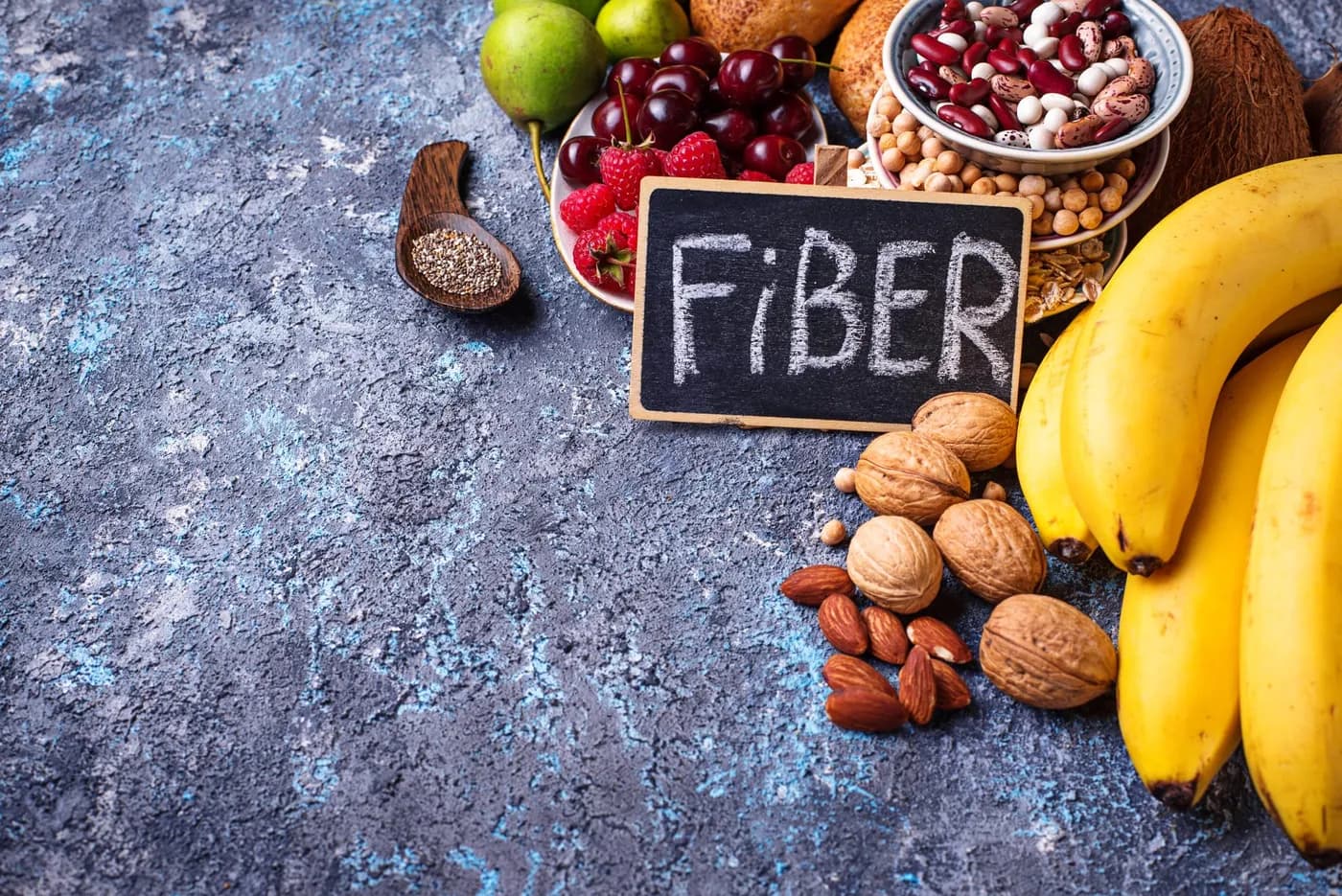
- Fibre-rich foods — whole grains, oats, fruits with skin, and vegetables add bulk and soften stool, making it easier to pass without straining
- Plenty of fluids — water, buttermilk, and coconut water keep stool soft; fibre without enough fluid can actually worsen constipation
- Leafy greens and legumes — spinach, lentils, and beans add both fibre and nutrients
- Papaya and other high-fibre fruits — commonly recommended for gentle, regular bowel movements
- Isabgol (psyllium husk) in water — a widely used natural stool softener when constipation is a factor
The core idea behind any good diet for piles is simple: soft, well-formed stool that passes without straining, since straining is what worsens or triggers piles in the first place.
Foods and habits that worsen piles
A sound diet for piles isn’t just about what you add — it’s also about what you cut back on:
- Low-fibre, heavily processed food — white bread, refined snacks, and fast food slow digestion and encourage constipation
- Very spicy food — doesn’t cause piles directly, but can irritate the area and worsen discomfort during bowel movements for some people
- Not drinking enough water — the single biggest contributor to hard stool and straining
- Ignoring the urge to go — delaying bowel movements makes stool harder and drier over time
- Excess tea, coffee, and alcohol — can be dehydrating and worsen constipation if consumed heavily
Lifestyle habits that support a diet for piles
- Eat meals at regular times to keep digestion consistent
- Avoid sitting on the toilet for long periods, which increases pressure on the area
- Stay physically active — a sedentary lifestyle contributes to sluggish digestion
- Don’t hold in the urge to pass stool, and don’t rush or strain when you do go
Photo: Public Domain Photos, CC BY 2.0, via Openverse (Flickr)
When piles need medical attention, not just diet
A good diet for piles manages most mild cases well, but see a doctor if you notice bleeding during bowel movements, persistent pain, a lump that doesn’t reduce on its own, or symptoms that don’t improve after a few weeks. These can sometimes need medical or minor surgical treatment beyond diet alone.
A sample day on a diet for piles
Seeing the structure laid out for a full day makes it easier to follow than a list of individual foods:
- On waking: A glass of warm water, and a few soaked raisins or dried figs if you have them on hand
- Breakfast: Oats or vegetable daliya with a teaspoon of ground flaxseed stirred in, and a glass of buttermilk
- Mid-morning: An apple or pear, eaten with the skin on for the extra fibre
- Lunch: Two multigrain rotis, a bowl of dal or rajma, a leafy green sabzi, and a small side of curd
- Evening: A glass of isabgol in water if you’ve been constipated that week, or a piece of fruit if not
- Dinner: Something lighter — vegetable khichdi or roti with a simple dal — eaten at least two hours before bed
- Through the day: 8-10 glasses of water in total, since fibre without enough fluid can make a diet for piles backfire rather than help
Repeating a structure like this most days, rather than treating diet changes as something you only do when symptoms flare, is what actually keeps stool soft and bowel movements predictable.
Piles often show up alongside other digestion complaints — if loose motions are also an issue, our best food for loose motion guide covers what to eat then, what to eat after food poisoning is useful if that’s the trigger, and knowing how to make ORS at home is worth keeping in your back pocket for either.
Common mistakes people make with a diet for piles
Even genuinely well-intentioned changes can fall short if a few habits slip through unnoticed:
- Adding fibre too fast, without more water — a sudden jump in fibre without matching fluid intake can bloat you and worsen constipation instead of easing it
- Skipping meals — long gaps between meals often lead to one large, heavier meal later that’s harder to digest and more likely to cause straining
- Leaning on isabgol alone — a supplement can’t undo the effect of an otherwise low-fibre, processed daily diet
- Cutting out all fat — a little healthy fat (a teaspoon of ghee or oil) actually helps stool move more easily; going completely fat-free isn’t necessary or helpful
- Continuing to strain out of habit — even after diet improves things, rushing or straining on the toilet keeps re-irritating the area
Getting a diet for piles right has as much to do with steady, spread-out daily habits as it does with any single food choice.
Who should be extra cautious with piles
Most people manage piles well with diet and lifestyle changes alone, but a few groups should be more watchful. Pregnant women are prone to piles due to pressure from the growing uterus and hormonal changes that slow digestion — a high-fibre diet for piles is especially important here, alongside checking any supplement with a doctor first. People with a history of recurring piles should keep up fibre and fluid intake even after symptoms clear, since stopping too soon often brings them back. Anyone with existing bowel conditions like IBS should introduce fibre gradually, since a fast increase can trigger cramping or bloating rather than relief.
Frequently Asked Questions
Related Articles
Diet for Strength Training: a Practical Eating Guide for Muscle and Recovery
Explore protein, carbohydrates, healthy fats and meal planning for strength training, muscle building and recovery.

Yoga Poses for Piles (Hemorrhoids): Steps, Benefits & Precautions
Malasana, the Garland Pose, improves pelvic circulation and softens intra-abdominal pressure, supporting healthier bowel habits over time. See the steps.

Mudra for Piles: Ashwini Mudra, Apana Mudra & Hand Gestures for Pelvic Relief
Ashwini Mudra, Apana Mudra, and Mula Bandha together form a complete pelvic-floor protocol used in hatha yoga for gentle strength and smoother
