
Plum Fruit Benefits: Nutrition, Digestion and Serving Ideas
Plums are smooth-skinned stone fruits, and knowing how fresh plums differ from concentrated prunes makes portions and digestive effects easier to judge.
Key Takeaways
- Fresh plums supply water, fibre, vitamin C, potassium and colourful polyphenols.
- Prunes are dried plums with concentrated sugar, fibre and sorbitol, so portions are smaller.
- Increase prunes gradually; large servings can cause gas, cramps or loose stools.
- People with IBS, sorbitol sensitivity or prescribed potassium limits need personalised advice.
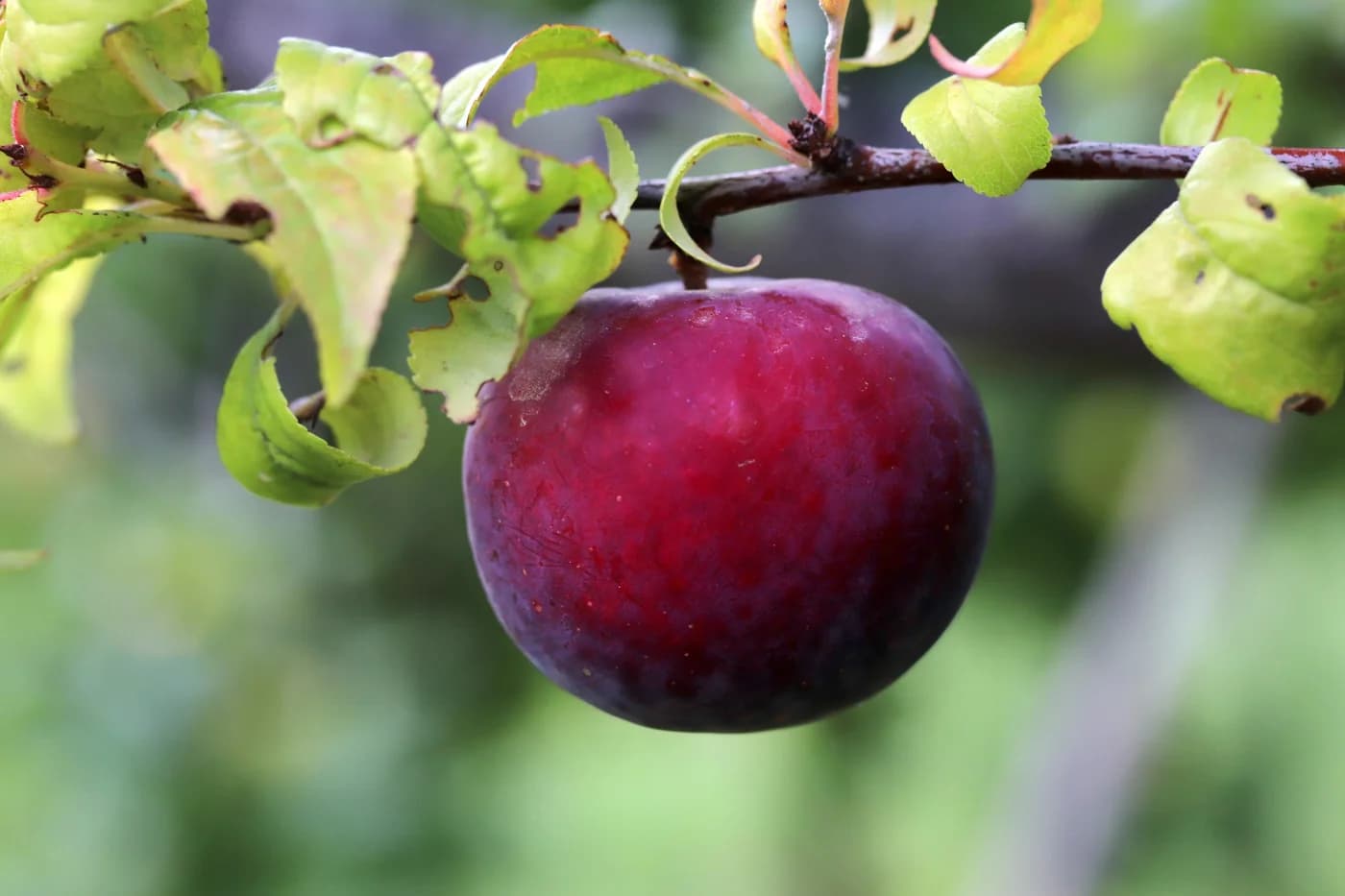
Plums are smooth-skinned stone fruits available in red, purple, yellow and green varieties. Understanding the difference between juicy fresh plums and concentrated prunes makes plum fruit benefits, portions and digestive effects much easier to judge.
Fresh plums at a glance
Fresh plums provide water, carbohydrate, some fibre, vitamin C, potassium and colourful polyphenols. Dark skin does not turn the fruit into medicine; variety, ripeness and serving size all influence the final nutrient profile.
Colour and antioxidants without hype
Purple and red skins contain anthocyanins and other polyphenols, while yellow or green varieties have their own profile. These compounds are interesting parts of food, but antioxidant capacity measured in a laboratory does not prove that a serving prevents disease. Choose the plum you enjoy and can find fresh.
Eating many colours across the week is more useful than chasing the darkest fruit every day. Apples, guava, citrus and local seasonal produce can fill the same fruit slot when plums are unavailable.
Plums and prunes are not the same portion
Prunes are dried plums. A fresh plum is mostly water, whereas removing water concentrates energy and natural sugar, which is why several prunes can be eaten much faster than the equivalent fresh fruit. Prunes also contain fibre and sorbitol, a sugar alcohol that draws water into the bowel, along with other compounds that may support their laxative effect.
Prune juice contains sorbitol but less intact fibre than whole prunes. It may still loosen stool.
Digestion and constipation
Fresh plums contribute fluid and fibre, while prunes may have a more noticeable laxative effect. Begin with a few prunes rather than a large bowl and increase gradually: the difference between helpful and uncomfortable can be small, and a large serving can cause gas, cramps or diarrhoea.
Children, older adults and anyone with ongoing constipation should receive advice suited to the cause rather than being given increasingly large servings. Persistent constipation, blood in stool, unexplained weight loss or severe pain needs medical review instead of repeated home remedies.
Choosing, ripening and storing plums
Select plums without mould, splits or leaking juice. The pale waxy "bloom" on the skin is natural. Plums bruise easily once soft, so store unripe fruit at room temperature in a single layer, then move ripe pieces to the refrigerator. Wash them just before eating, cut around the stone and discard the pit. A fermented odour, leaking flesh or visible mould means the fruit should be discarded.
Sweet and savoury uses
Eat plums whole, add slices to curd or oats, roast them, or make a sharp chutney. Their tartness can balance salads and grain bowls. Whole fruit is generally more filling than juice because chewing and fibre remain.
For a cooked compote, use minimal water and taste before adding sweetener. Natural tartness can be balanced with cinnamon or cardamom. Cool leftovers quickly and refrigerate them.
Diabetes and kidney considerations
A fresh plum can fit many diabetes plans as a portion of whole fruit. Dried prunes contain more carbohydrate in a small volume, so measuring matters. Pairing with curd or nuts may improve fullness but does not cancel the carbohydrate.
People with chronic kidney disease may have individual potassium targets. They should use the fruit portions provided by their renal dietitian rather than a general fruit list or classifying every high-potassium food as forbidden.
Who else may need care
People with IBS or sensitivity to sorbitol may find plums or prunes trigger bloating or loose stools. Stone-fruit allergy is also possible; stop eating the fruit if your mouth or lips itch or swell, and seek medical advice.
Editorial sources
Frequently Asked Questions
Related Articles
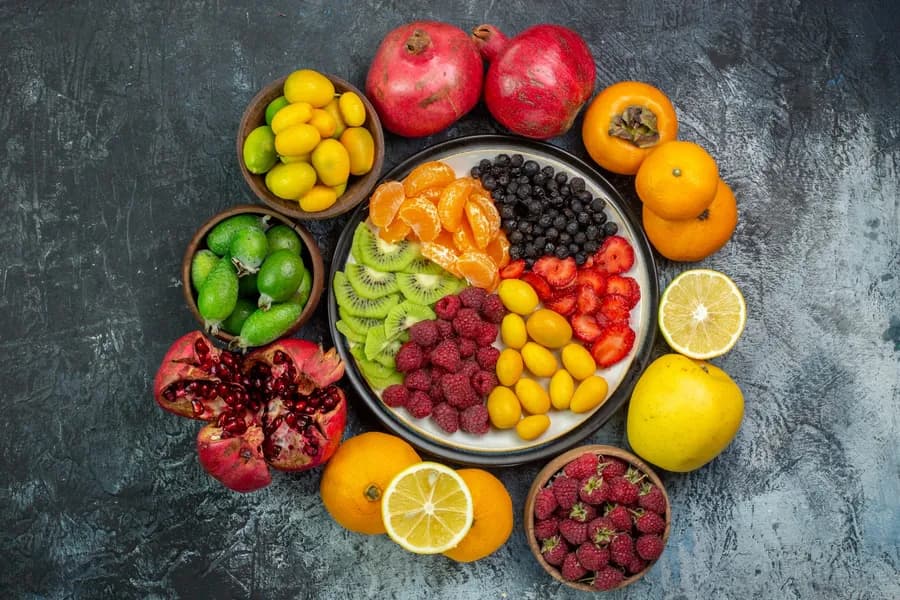
Healthy Fruits: How to Choose Variety, Portions and Seasonal Options
All whole fruits can contribute water, fibre, vitamins and plant compounds. The healthiest choice is usually a varied, affordable pattern.

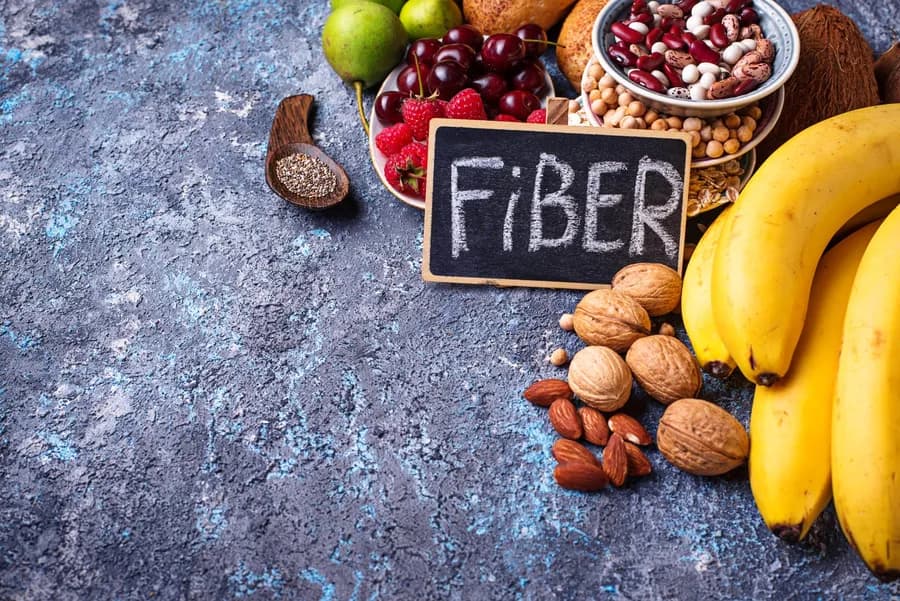
Fibre rich foods: what fibre does for your gut
Fibre does more than aid digestion — it feeds gut bacteria and helps keep blood sugar steady. See what fibre-rich foods actually do for your gut.
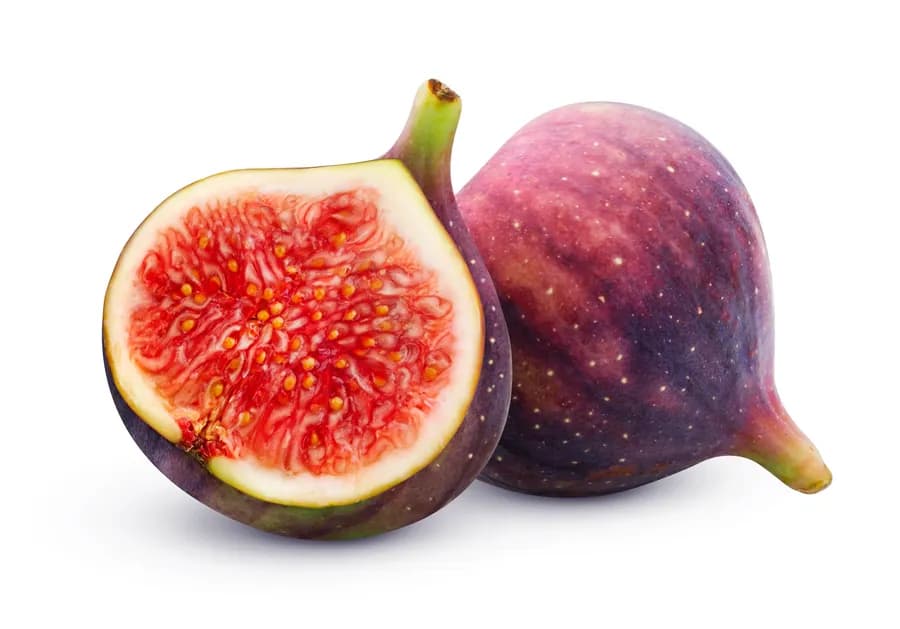
Fig Benefits: Nutrition, Portions and Safety
Fresh and dried figs provide carbohydrate, fibre, potassium and plant compounds.
