
Fig Benefits: Nutrition, Portions and Safety
Fresh and dried figs provide carbohydrate, fibre, potassium and plant compounds.
Key Takeaways
- Fresh and dried figs provide carbohydrate, fibre, potassium and plant compounds.
- Fibre can support bowel regularity, but figs do not cure constipation, anaemia or diabetes.
- Dried figs are more concentrated in sugar and energy because most water has been removed.
- People on warfarin should keep fig intake steady rather than suddenly eating large amounts.
Fresh and dried figs provide carbohydrate, fibre, potassium and plant compounds. Dried figs are more concentrated in sugar and energy because most water has been removed. This guide examines figs with practical context and without exaggerated promises.
Understanding figs in context
Fibre can support bowel regularity, but figs do not cure constipation, anaemia or diabetes. Serving size and the rest of the meal matter more than isolated antioxidant claims.
In India, figs are most often eaten dried as anjeer, either on their own, soaked overnight or added to sweets and milk drinks. Fresh figs appear seasonally and spoil quickly, so dried figs are the form most households keep. Compared with many fruits, dried figs offer a little more calcium and iron per portion, but the amounts are modest and they are not a substitute for dairy, pulses or green leafy vegetables.
Reading the evidence on figs
Most claims about fig benefits are built on nutrient content or on laboratory studies of fig leaf and fruit extracts. Human research on whole figs is limited and mostly small, with some trials looking at constipation. These suggest figs may help some people as part of a higher-fibre diet, but they do not show figs work better than other fibre-rich fruits, vegetables or whole grains.
Claims that figs boost fertility, cure piles, raise haemoglobin quickly or control blood sugar are not supported by good human evidence. Anaemia, persistent constipation and bleeding piles need proper assessment rather than a home remedy.
Cooking and pairing figs
- Eat one or two fresh figs as part of a snack.
- Pair dried figs with nuts or unsweetened curd.
- Chop a small amount into oats.
- Use fruit rather than syrup-sweetened fig products.
Chopped dried figs can replace some of the sugar in kheer, laddoos or halwa, which adds sweetness along with fibre. Fresh figs can be sliced into a fruit chaat or served with a little paneer or curd.
How preparation changes figs
Drying concentrates sugar and energy, so a handful of dried figs is not equal to the same handful of fresh fruit. Figs made into barfi, rolls or jam usually contain added sugar or ghee, which changes the nutritional picture. Soaking softens dried figs and can make them easier to chew for older adults, but it does not change their sugar content in any meaningful way.
Safety considerations for figs
Large portions may cause diarrhoea or bloating. Dried figs can raise blood glucose quickly and may stick to teeth. Anyone with a fig allergy should avoid them.
People allergic to natural rubber latex or to the indoor weeping fig plant may be more likely to react to fig fruit. Figs also contain some vitamin K, so people on warfarin should keep their intake fairly steady rather than suddenly eating large amounts, and check with their doctor if unsure.
Fresh figs and dried figs are not the same
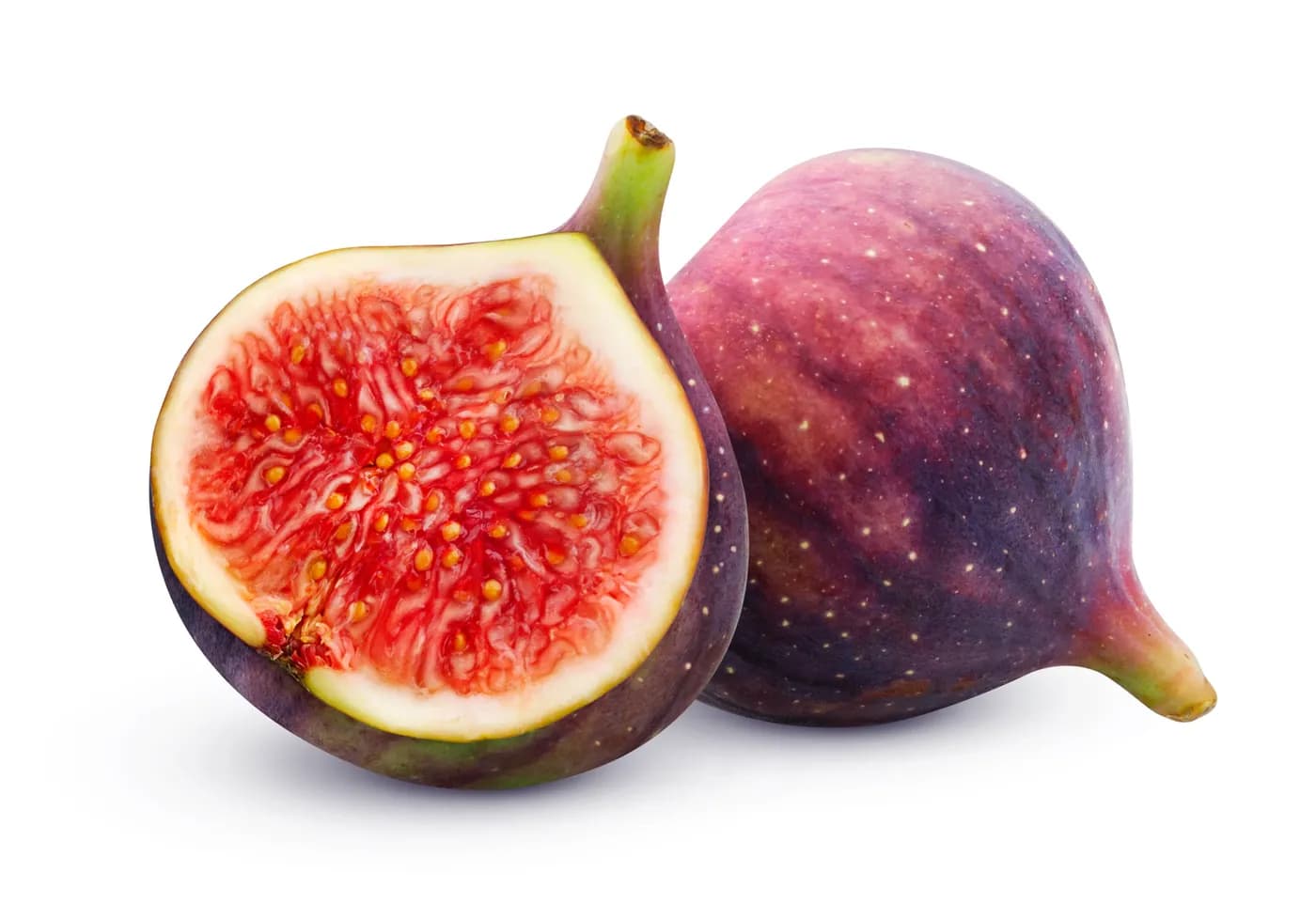
Fresh figs contain plenty of water and have a soft, mildly sweet flesh. Dried figs are smaller and more concentrated because most of that water has been removed. They therefore provide more carbohydrate and energy in the same-sized portion. Both forms contain fibre, but neither is a treatment for constipation, anaemia or diabetes. Choose the form according to the meal and keep the concentrated nature of dried fruit in mind.
Easy portions and pairings
One or two fresh figs can be eaten as part of a snack. A small portion of dried figs pairs well with unsweetened curd, nuts or oats. Pairing fruit with protein or fat may make the snack more satisfying. Dried figs are sticky, so rinse the mouth with water and maintain regular dental care. Soaking changes their texture; it does not remove sugar or create special medicinal properties.
Digestion and blood sugar
A sudden large helping can cause bloating, loose stools or abdominal discomfort, especially when someone is not used to much fibre. Increase the portion gradually and drink enough fluid. People who monitor blood glucose should count dried figs as concentrated fruit and use a portion that fits their meal plan. Fig syrup, jam and sweets may contain considerable added sugar and should not be treated like whole fruit.
Buying and storing figs
Choose fresh figs that feel tender but are not leaking or mouldy, and refrigerate them because they spoil quickly. Dried figs should be stored sealed in a cool, dry place and checked for added sugar or coatings. A naturally occurring white surface may be crystallised sugar, but an unusual smell or fuzzy growth means the fruit should be discarded.
Figs within a varied fruit intake
Figs can bring variety, but they do not provide every nutrient needed from fruit. Rotate them with seasonal options such as guava, oranges, papaya, berries or melon according to price and availability. Fresh fruit generally contributes water, while dried fruit is useful when storage and portability matter. For accurate comparisons, compare equal portions and read labels on packaged products. Soaking figs overnight does not make them stronger, and the soaking water is not a detox drink.
The useful place for figs
The most credible fig benefits come from their role as fruit: they add flavour, fibre and useful nutrients to a varied diet. They need not be eaten daily, and larger quantities are not automatically better. Anyone with a suspected fig allergy should avoid another home trial and seek advice. For everyone else, a modest serving that is enjoyable and well tolerated is a more sensible choice than using figs as a remedy.
Editorial sources
Frequently Asked Questions
Related Articles
Grapefruit: Nutrition, Benefits and Easy Ways to Use It
Grapefruit can add variety, flavour and useful nutrients to a vegetarian eating pattern. Its exact nutrition depends on the form, serving and preparation.


Vegetarian protein: needs, myths and meal planning
Vegetarian meals can provide enough protein. Learn practical needs, simple Indian food sources, common myths and an easy meal-planning method.

High-Fibre Foods: Simple Indian Meal Ideas
Find high-fibre Indian foods, easy meal ideas, gradual intake tips and practical advice for constipation and daily health.