
Potato Nutrition, Benefits, Portions and Cooking Methods
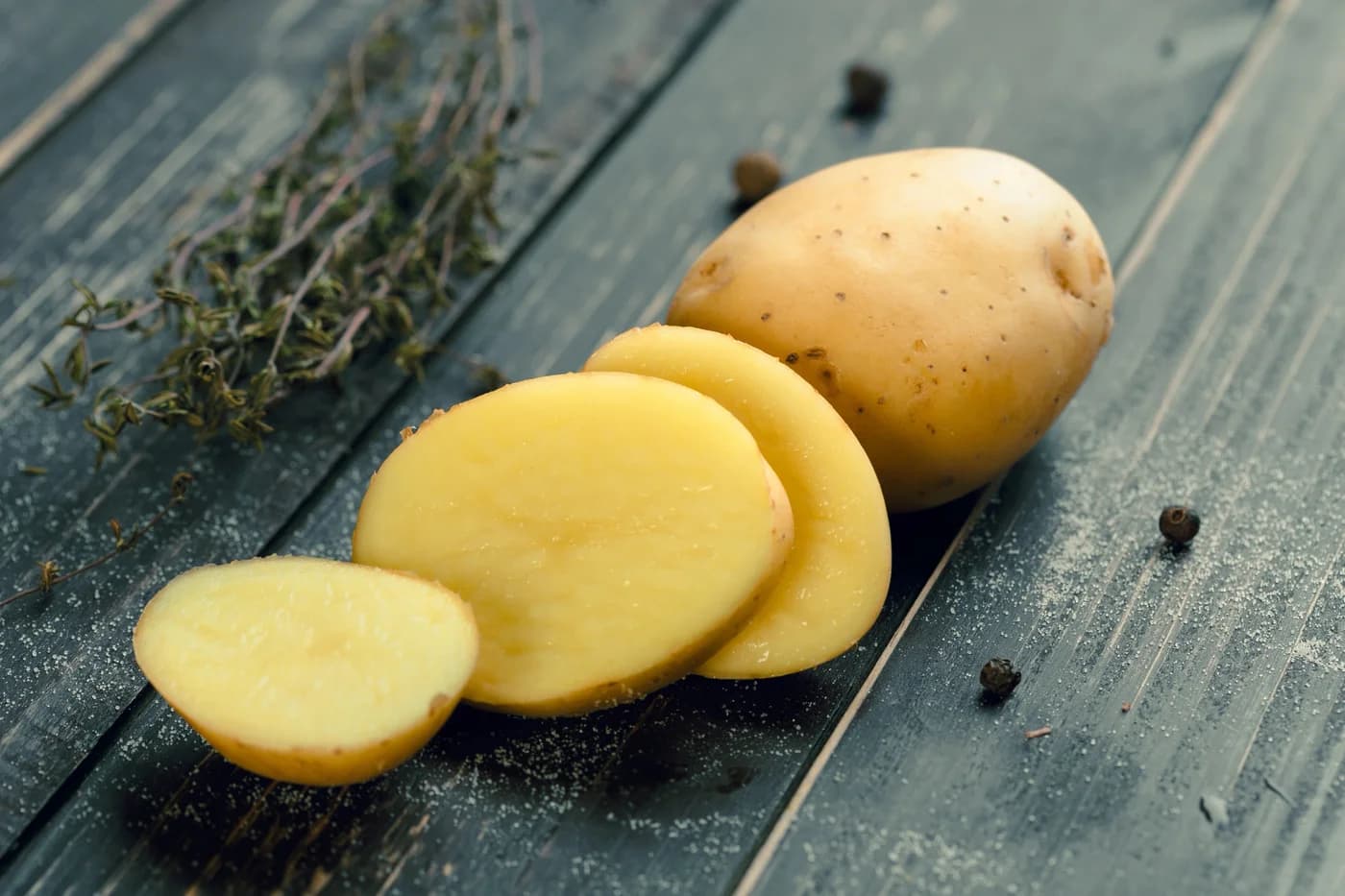
Potatoes are starchy vegetables that provide carbohydrate, potassium, vitamin C and some fibre, especially when the skin is eaten safely.
Key Takeaways
- Potatoes provide carbohydrate, potassium and vitamin C.
- Cooling cooked potato increases some resistant starch.
- Frying and salty toppings change energy and sodium substantially.
- Green or heavily sprouted potatoes can contain harmful glycoalkaloids.
Potatoes are starchy vegetables that provide carbohydrate, potassium, vitamin C and some fibre, especially when the skin is eaten safely. Their health impact depends strongly on preparation and the complete meal. Boiled potato and deep-fried chips are not nutritionally equivalent. This guide examines the potato option without overstating what one food, habit or supplement can do.
What matters most about potato nutrition
Variety, size, peeling and cooking alter nutrient values. The skin adds fibre but is not compulsory. Potatoes can be part of a balanced meal when paired with vegetables and protein rather than treated as both the only vegetable and the entire staple.
Evidence, uncertainty and the potato option
Evidence for potato nutrition is most convincing when independent human studies examine the same preparation and reach similar conclusions. Small trials can be informative without being final. When methods or results differ, uncertainty should be stated plainly rather than hidden behind words such as proven or clinically tested.
How to interpret claims about the potato option
A useful question is what role potato nutrition could realistically play. For a food, that may mean contributing nutrients or replacing a less suitable choice. For a product or remedy, it means defining the intended outcome before use. Neither situation supports a promise to prevent, cure or reverse disease.
Making the potato option part of a balanced plate
- Serve boiled potato with chana, curd and salad.
- Add a measured amount to mixed vegetable sabzi.
- Bake wedges with spices instead of deep-frying.
- Keep portions individual when managing carbohydrate intake.
Keep the use of potato nutrition simple enough to evaluate. A modest starting point makes it easier to notice digestive, skin, sleep or energy changes without confusing them with several new habits. Stop and reassess if the choice displaces balanced meals or creates persistent symptoms.
How preparation changes the potato option
With potato nutrition, portion and pairing matter more than a rigid spoon or cup rule. Combining it with vegetables, pulses, dairy, eggs or another appropriate protein can make a more complete meal. Check packaged versions for salt, sugar and allergens instead of relying on front-label claims.
Who needs extra caution with the potato option
Discard potatoes that are very green, bitter or extensively sprouted. Remove small sprouts and green areas only when the remainder is firm and unaffected; when in doubt, discard. People with kidney disease may need potassium-reduction methods and professional advice.
Keep expectations for potato nutrition proportional to the evidence. People taking regular medicines or preparing for surgery should disclose supplements and herbal products. Children and pets also need protection from concentrated products and accidental ingestion.
A sensible takeaway about the potato option
Potato nutrition can be useful in the right context without being essential for everyone. Keep the goal specific, choose a suitable form and review whether it genuinely improves the meal, symptom or routine. A modest benefit is still worthwhile when it is safe—but it should not be presented as a cure.
A closer look at everyday context
Begin by defining what you expect potato nutrition to change. A broad aim such as “better health” is difficult to judge, whereas a specific goal—improving variety, solving a preparation problem or discussing a symptom—can be reviewed. Consider the starting point, the time needed for a meaningful change and other habits that influence the same outcome. This prevents normal day-to-day variation from being mistaken for proof that one ingredient or practice is working.
Context also determines whether a claimed advantage is relevant. A nutrient-rich item can support dietary quality without producing a drug-like effect, and an improvement in a laboratory marker may not translate into a noticeable health outcome. When considering potato nutrition, look for the absolute size of any reported effect and the duration of follow-up. Small short-term studies can suggest possibilities, but they should not be converted into guaranteed results for everyone.
When to review your approach
Watch for unintended trade-offs while trying potato nutrition. A restrictive rule may reduce dietary variety; a drink may add sugar or acidity; a supplement may overlap with medicines; and a large serving may cause digestive discomfort. Review the complete pattern rather than focusing only on the advertised feature. The aim is a net improvement that can be maintained comfortably, not perfect adherence to a trend or an arbitrary target.
Common warning signs include escalating the amount, combining several products with similar ingredients or relying on testimonials in place of reliable guidance. Stop and seek advice if a new rash, persistent digestive symptoms, unusual weakness or another concerning change follows use. Urgent symptoms need urgent care. Discuss potato nutrition with a qualified professional when regular medication, surgery, pregnancy or a chronic condition makes interactions or restrictions more likely.
Ultimately, potato nutrition is one part of a larger picture. Its value should be assessed by the quality it adds, the alternative it replaces and any inconvenience or adverse effect it creates. Clear goals and accurate labels make that assessment easier. Where evidence is uncertain, the honest conclusion is uncertainty—not a promise. Choosing a moderate, sustainable approach usually provides more useful information than pursuing rapid change through unusually large portions or concentrated products.
Finally, distinguish routine discomfort from a warning sign. Mild changes may settle after adjusting portion or preparation, but persistent or severe symptoms deserve assessment. Do not repeatedly test potato nutrition after a suspected allergy, and do not use it to explain away unexplained weight change, bleeding, fever, breathing difficulty or progressive pain. Prompt care is more important than completing a self-directed trial when the health picture is changing.
Editorial sources
Frequently Asked Questions
Related Articles
Semolina Nutrition, Benefits, Portions and Meal Ideas
Semolina, commonly called sooji or rava, is a coarse wheat product used in upma, idli, halwa and pasta.

Millet Benefits: Nutrition, Portions and Cooking Ideas
Millets are a group of small-seeded grains that includes pearl millet or bajra, finger millet or ragi, foxtail, little millet and others.


Kcal Meaning: Calories, Labels and Daily Energy Needs
Food labels often use kcal, while everyday conversation uses calories. Learn about practical uses, portions and safety.