Protein Powder for Women: Needs, Choices and Life Stages
Women do not need a special protein powder. Learn when a powder helps, how to compare whey and plant options and what to check on labels.
Key Takeaways
- Women's protein needs depend on body size, activity and life stage, not packaging.
- The adult RDA is 0.8 g per kg; active women may need more, from food first.
- Whey, soy and pea blends all work; choose by tolerance, allergy and budget.
- Avoid powders with hidden herbs, stimulants or vague 'hormone balance' claims.
- Check any product with your care team if pregnant, breastfeeding or with kidney disease.
Women do not need a special pink-labelled protein powder. Protein needs depend on body size, activity, age, pregnancy, health and the rest of the diet. A powder can be convenient when food falls short, but it is not required for weight loss, hormone balance or toned muscles.
How much protein do women need?
The Recommended Dietary Allowance for healthy adults is 0.8 g of protein per kilogram of body weight a day, according to the NIH Office of Dietary Supplements. For a 55 kg woman, that is about 44 g. People who train regularly may benefit from more, and sports-nutrition guidance generally considers up to about 2.0 g per kg safe for athletes. These targets include protein from all meals, not just a shake. Our guide to daily protein requirement shows how to work out your own figure.
Start with the whole day
Before buying a powder, look at the meals you already eat. Curd at breakfast, dal at lunch and paneer, tofu or eggs at dinner all contribute protein, and a handful of roasted chana or nuts adds a little more. For many women, improving one low-protein meal, often breakfast, is the most useful first step. A dietitian can estimate your needs if you train hard, are pregnant, are older or have a medical condition.
There is no women's formula
Protein needs are not set by the colour of the packaging. A product marketed for women may cost more or contain extra ingredients, but that does not make its protein better. Compare it with a plain product on protein per serving, tolerance, price and the full label. Promises of weight loss or hormone balance deserve more scrutiny than a simple protein claim.
Choose a protein that suits you
- Whey: a complete milk protein rich in leucine. Isolate usually has less lactose than concentrate, which may suit some people with lactose intolerance.
- Soy: also provides all essential amino acids and suits vegetarians and vegans.
- Pea and other plant blends: fit a vegan diet; blends such as pea with rice improve the amino acid mix.
- Collagen: low in some essential amino acids, so it is not a like-for-like replacement for whey or soy.
A milk allergy rules out all whey products, even lactose-free ones. Taste and digestion matter too: a powder that causes bloating or tastes unpleasant will not become a useful habit. For a closer comparison, see whey vs plant protein.
Watch for added ingredients
Some products combine protein with herbs, caffeine, "fat burners" or vitamins promoted for skin, hair or hormones. These make the label longer without making it more useful, and some additives are unsuitable in pregnancy or with medicines. If you already take a multivitamin or iron tablet, check for duplicate ingredients. When the goal is simply to fill a protein gap, choose a plain, transparent product.
Timing and serving size
There is no magic hour. A serving after resistance exercise is convenient, but the protein you eat across the day matters most. You might add a shake to a low-protein breakfast or use one after training when a meal is hours away. If the label lists protein per two scoops, one scoop supplies roughly half. Milk or curd used in the shake adds protein and calories as well. Extra scoops do not build muscle without training and enough food.
Strength matters at every life stage
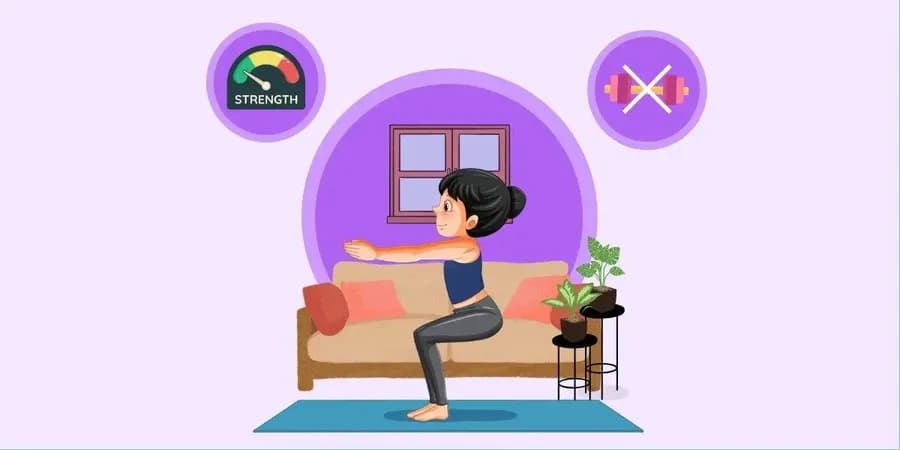
Protein supports normal body functions throughout life, not only visible muscle. In midlife and older age, keeping strength helps with everyday tasks such as carrying bags or climbing stairs, and resistance exercise matters as much as diet. Our guide on how to build muscle for women covers the training side.
Pregnancy, breastfeeding and menopause
Pregnancy and breastfeeding increase nutritional needs, but many powders contain herbs or stimulants that have not been tested for safety, so discuss any product with your maternity team. Menopause does not create a need for a "hormone balance" powder; appetite, muscle, bone health and symptoms each deserve individual attention.
Health conditions
People with kidney disease need an individual protein plan, because a generic gym target can be wrong. Unplanned weight loss, poor appetite or difficulty swallowing should be assessed by a doctor rather than solved with a quick purchase.
A quick shopping checklist
- Protein grams per serving and scoop size (a 30 g scoop is not 30 g of protein)
- Added sugar, sodium, caffeine and allergens
- Full ingredient list with no hidden "proprietary blend" amounts
- Manufacturer details, expiry date and Indian food-safety licence on the label
- Third-party testing if you compete in sport
Keep the tub closed and dry, use a clean scoop and stop if a product causes persistent symptoms.
Editorial sources
- NIH Office of Dietary Supplements: Dietary supplements for exercise and athletic performance
- International Society of Sports Nutrition position stand: protein and exercise
- NIH Office of Dietary Supplements: Dietary supplements, what you need to know
- MedlinePlus: Protein in diet
- MedlinePlus: Lactose intolerance
- NHS: Food allergy
Frequently Asked Questions
Related Articles
Whey vs Plant Protein: Which One Should You Choose
Whey and plant protein aren’t about which is ‘better’ overall — it’s about which fits your digestion, diet, and goals. See how they compare on absorption.

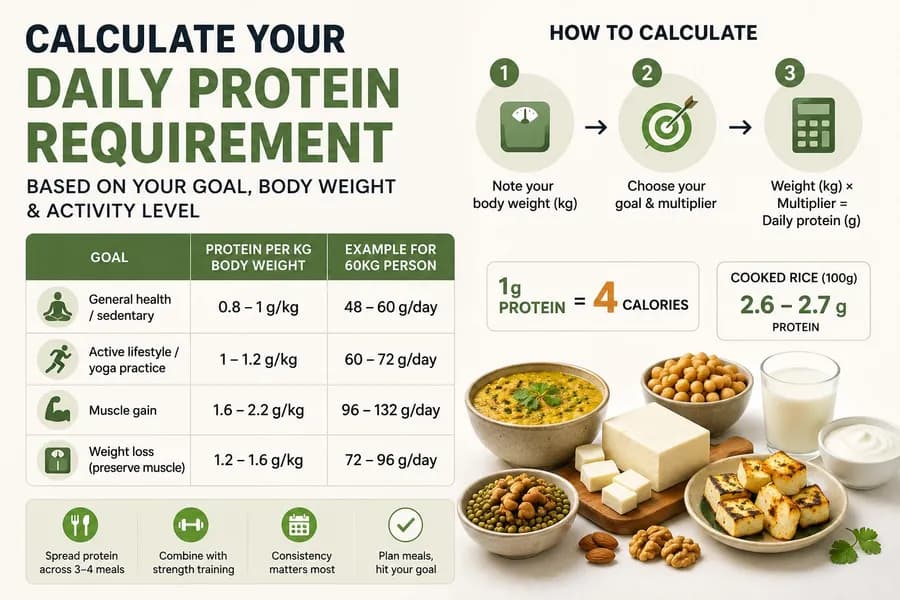
Daily Protein Requirement: How to Calculate What You Need
Your daily protein requirement isn’t a fixed number — it depends on your body weight, activity level, and goal. See exactly how to calculate it for.
Weight Gainer Powder for Women: When It’s Worth Using
A weight gainer powder is a calorie and protein-dense supplement for when regular meals aren’t enough — not a replacement for food. See when it’s.
How to Build Muscle for Women: A Complete Strength Guide
Progressive resistance training — bodyweight, dumbbells, or bands — boosts metabolism and bone density without the bulk most women fear. See how two to four sessions a week deliver results.