
Purified Water: What It Means and How to Keep It Safe
Purified water is treated to remove contaminants, but safety depends on the right treatment, regular servicing and clean storage at home.

Key Takeaways
- Purified describes treatment, not superiority; safe tap water can be just as good.
- Different systems remove different things: UV disinfects, RO also cuts many chemicals.
- A low TDS reading does not prove water is free of germs or harmful chemicals.
- Service filters on schedule and store water in clean, covered containers.
- For diarrhoea, use ORS rather than plain water to replace lost salts.
Purified water has been treated to remove contaminants, often by reverse osmosis (RO), distillation, ultraviolet (UV) light, carbon filtration or a combination. The label describes processing, not automatic superiority. Safe tap water, a well-maintained home purifier and sealed packaged water can all be reasonable choices, depending on the quality of your local supply.
What "purified" actually means
Treatment can reduce germs, salts, metals and other substances, but how well it works depends on the technology and on maintenance. According to the WHO, faecal contamination is the main microbial risk to drinking water, while chemicals such as arsenic, fluoride and lead can also be a problem in some areas. Safe water needs protection all the way from the source to your glass; a purifier cannot correct a dirty storage tank or careless handling after treatment.
How common treatment systems differ
- Activated carbon filters can improve taste and smell and reduce some chemicals, but do not reliably remove all germs.
- UV systems disinfect water by inactivating germs. They work best when the water is pre-filtered and do not remove dissolved chemicals.
- Reverse osmosis pushes water through a very fine membrane. The CDC notes that RO removes parasites, bacteria and viruses and some chemicals, such as lead.
- Distillation boils water and condenses the steam, leaving many contaminants behind.
A system with several stages is useful only when those stages suit your source water. Explain whether your water comes from a municipal supply, borewell or tanker, and ask for a recent water-quality report or proper testing before choosing.
Why TDS is not a safety test
Total dissolved solids (TDS) meters are often used to sell purifiers. A TDS reading estimates dissolved material but cannot identify germs, pesticides or many metals. Very clear, low-TDS water can still be contaminated, while mineral-containing water may be perfectly safe.
Minerals removed by RO are mostly obtained from food anyway. Claims that low-mineral water "pulls minerals from the body" are misleading, but treated water should still meet safety standards. For packaged water in India, buy sealed bottles with an intact cap, a readable label, the ISI mark and an FSSAI licence number, and avoid bottles stored in direct sunlight.
Keep your purifier and storage safe
- Follow the maker's schedule for filter changes, membrane service and tank cleaning, even if the water tastes normal.
- Note installation and service dates somewhere easy to find, or set a phone reminder.
- Store drinking water in a clean, covered food-grade container and use a ladle or tap rather than dipping glasses in.
- Wash and dry reusable bottles between uses instead of repeatedly topping them up.
- Use safe water for ice, drinks and rinsing fruit or salad that will be eaten raw.
RO units also produce reject water, which can be reused for cleaning floors or flushing but not for drinking or cooking. During a boil-water notice, follow local public-health instructions and do not assume every home filter removes germs. Boiling handles many microbes but does not remove chemicals.
How much water do you need?
There is no single number for everyone. Thirst, weather, activity, pregnancy, fever and the water in food all affect needs; see Habuild's guide to daily water intake. Drinking very large amounts quickly can dangerously lower blood sodium (hyponatraemia), and people with heart failure or advanced kidney disease may have a specific fluid limit.
Seek help for confusion, severe weakness, repeated vomiting or very little urine. For diarrhoea, an oral rehydration solution replaces water and salts in the right balance; plain purified water alone does not. Learn how to make ORS at home for emergencies.
Editorial sources
Frequently Asked Questions
Related Articles
Daily Water Intake: How Much Water Do You Actually Need?
The ‘drink 8 glasses a day’ rule is easy to remember, but it was never based on individual needs — your actual intake depends on body weight, activity.
Alkaline Water Benefits: Evidence, pH, Uses and Safety
Alkaline water has a higher pH than ordinary drinking water. It may also contain added minerals or be produced by an ionising machine.

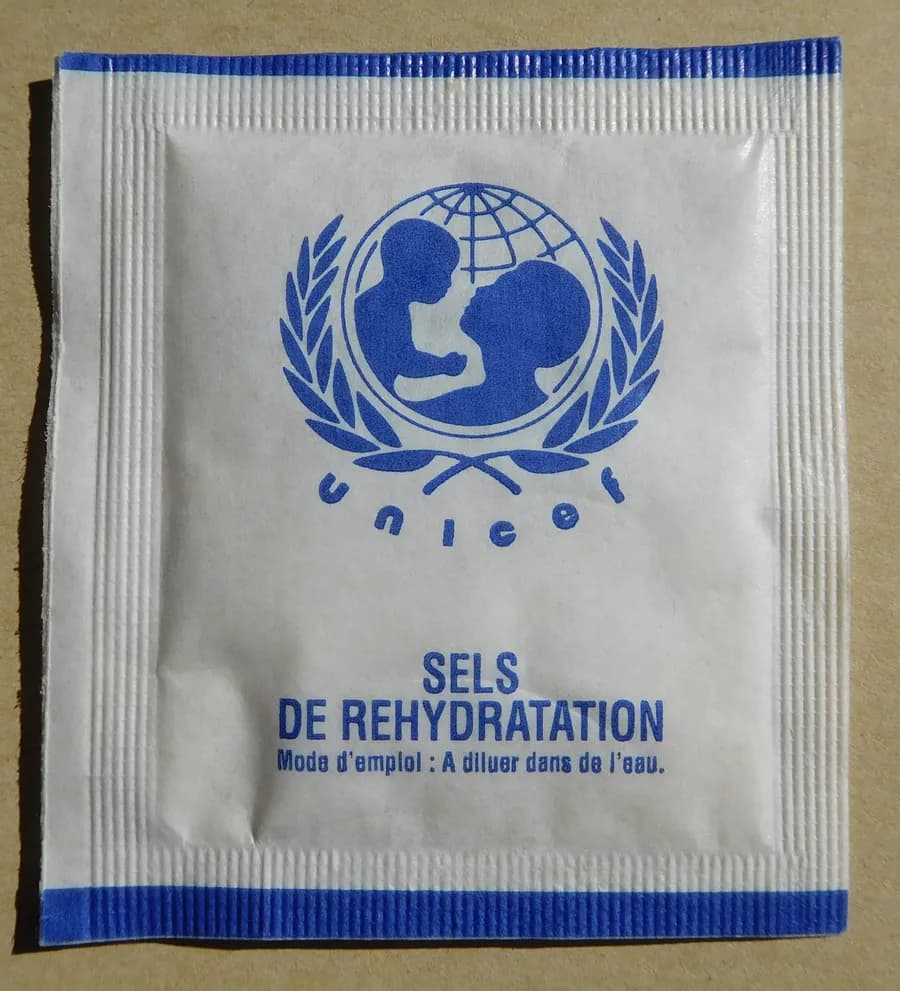
How to Make ORS at Home: The Correct Salt-Sugar-Water Ratio
Making ORS at home is useful during dehydration from diarrhoea or vomiting — but the salt-sugar-water ratio has to be exact. See the standard formula and.

Is Carbonated Water Healthy? Benefits, Teeth and Digestion
Plain carbonated water is water containing dissolved carbon dioxide. Learn about practical uses, portions and safety.