
Selenium Benefits: A Small Requirement With a Real Upper Limit
Selenium is essential in small amounts. Explore its roles, varied food sources and the importance of avoiding unnecessary high-dose supplementation.

Key Takeaways
- The body needs only a small amount of selenium.
- Food selenium varies with where the crop grows.
- Brazil nuts can contain a lot; eat only a few.
- High-dose supplements can cause harm.
Selenium is an essential mineral, but the body needs only a small amount. It helps proteins involved in thyroid function, antioxidant defence and other normal processes work properly. That is a reason to obtain enough, not a reason to take the highest-dose capsule available.
The distinction is especially important because excess selenium can cause problems, including hair and nail changes. A supplement marketed for hair, immunity or thyroid support can therefore become unhelpful when it is added without a clear need.
What selenium does
The body incorporates selenium into proteins called selenoproteins. Some help protect cells from oxidative damage, while others participate in the metabolism of thyroid hormones.
Selenium also has roles in reproduction and normal immune function. These descriptions refer to meeting a nutrient requirement, not to creating extra protection by exceeding it.
A nutrient can be essential without behaving like a performance enhancer. Once intake is adequate, adding more does not automatically improve energy, resistance to infection or the way a healthy thyroid works.
How much is enough?
For context, US dietary reference values recommend 55 micrograms a day for most adults, with higher requirements during pregnancy and breastfeeding. Local reference values and individual needs can differ, but all are measured in very small quantities.
Micrograms are not milligrams. A milligram contains a thousand micrograms, so confusing the units can lead to a very large error. You do not need to calculate every food precisely, but the difference matters when reading a supplement amount.
An upper limit is also not a target. It is a safety boundary, and different authorities set different values. The useful daily aim is meeting the requirement without routinely approaching high supplemental amounts.
Food sources depend partly on where food grows
Selenium content in plant foods varies with the soil and growing conditions. Two samples of the same grain or nut may therefore contain different amounts. This makes a rigid food-based dosing plan less reliable than it may appear.
Vegetarian sources can include cereals, pulses, nuts and seeds, with dairy and eggs contributing for those who eat them. The amount across a varied diet matters more than finding one supposedly perfect ingredient.
A person eating a highly restricted diet may need a closer nutritional review. That is different from assuming everyone who avoids meat must be selenium-deficient.
Brazil nuts need special perspective

Brazil nuts can be very high in selenium, but the amount varies widely. A large daily handful is not a sensible way to chase selenium benefits. It can provide much more than the small amount the body needs.
If you enjoy them, treat them as an occasional food in a modest amount rather than a precise supplement dose. Do not combine repeated large servings with a high-dose selenium product.
Other nuts can still be useful for flavour, fibre and unsaturated fat even when they contain less selenium. A nut’s value is not determined by being the richest possible source of one mineral.
What about thyroid support?
The thyroid needs selenium-related enzymes, but extra selenium does not replace thyroid hormone medicine or establish a treatment for every thyroid condition. Symptoms such as fatigue and weight change have several possible causes.
Research has explored supplementation in specific thyroid circumstances, with mixed findings across outcomes. A change in an antibody measurement is not automatically the same as better symptoms or less need for treatment.
If you have a diagnosed thyroid condition, keep the established treatment and monitoring plan. Adding a thyroid-support blend can duplicate selenium, iodine or other ingredients already present elsewhere in the routine.
Can it prevent cancer or heart disease?
Large prevention studies have not established a reason for adequately nourished adults to take selenium routinely to prevent cancer. More antioxidant activity in theory does not guarantee a clinical benefit.
The same caution applies to broad heart-health claims. A mineral’s normal role in the body is not proof that extra capsules prevent cardiovascular events.
Spend the effort on habits with clearer value: avoiding tobacco, managing blood pressure and cholesterol when needed, staying active and eating a varied diet. Selenium can be part of that nutrition without becoming the main prevention strategy.
When deficiency is more plausible
Deficiency is uncommon in some populations and more relevant in others, depending on geography, food access and medical circumstances. Certain conditions that affect absorption or specialised nutrition can also matter.
Symptoms alone do not identify selenium deficiency reliably. Hair changes, weakness or tiredness can have many explanations, and giving selenium without checking the context can move the intake in the wrong direction.
A targeted supplement may be appropriate when a genuine need is established. Its dose and duration should address that need rather than continue indefinitely as a general immunity product.
Signs that more may be too much
Chronic excess can cause brittle or lost nails, hair loss, digestive symptoms and other problems. A garlic-like breath odour or metallic taste may also occur. Severe toxicity can be dangerous.
These are not signs of a detox or evidence that the supplement is repairing deficiencies. If you suspect excess, stop non-prescribed selenium products and seek medical advice; do not change a prescribed treatment without contacting the treating team.
Check for duplication when several supplements are used. A multivitamin, a hair-and-nail product and a thyroid blend can each contain selenium, while a food routine may add more.
Make everyday nutrition easier
You do not need a separate selenium meal plan. Include a range of staples, pulses, vegetables, dairy or suitable alternatives, nuts and seeds according to your preferences and needs.
If you already eat a varied diet, there may be no useful reason to add a selenium capsule. When you do use a multivitamin, avoid assuming another product will improve things just because its dose is larger.
The benefits of selenium come from an adequate supply. Keeping that small requirement in perspective is the best way to avoid turning a useful mineral into an unnecessary risk.
Editorial sources
Frequently Asked Questions
Related Articles
Brazil Nuts Benefits: Selenium and Safe Portions
Brazil nuts are exceptionally rich in selenium and also provide fat, protein, magnesium and fibre.


Minerals in Food: Types, Functions and Everyday Indian Sources
Minerals are inorganic nutrients the body cannot make. Some are needed in larger amounts and others only in traces, yet both groups are essential.

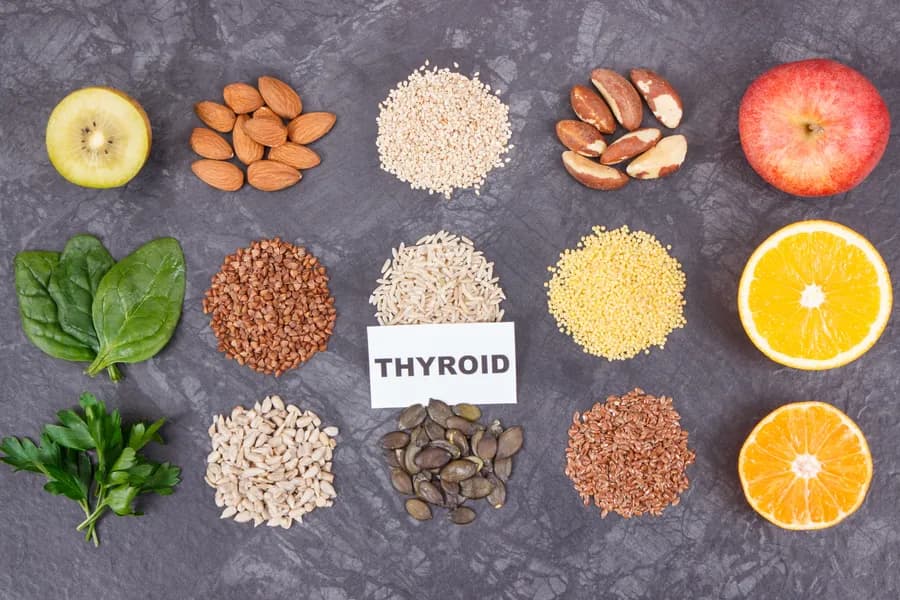
Hypothyroidism Diet: Food, Medicine Timing and Practical Guidance
Food supports general health in hypothyroidism, but it cannot replace thyroid hormone when treatment is needed.
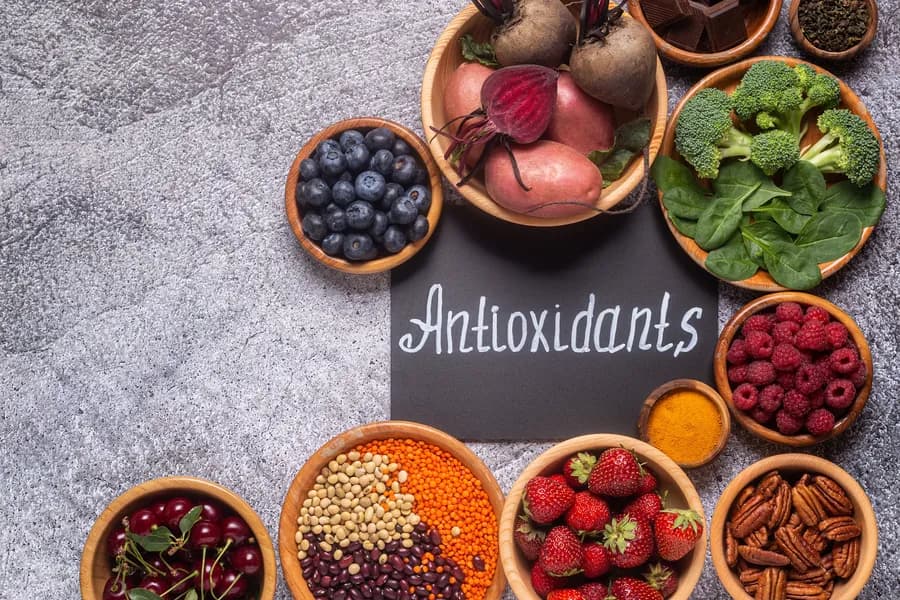
Antioxidant Supplements: What the Trials Found, Benefits and Risks
Big trials of beta-carotene, vitamin E and selenium pills found no broad protection and some harm. When antioxidant supplements help and when to skip.