
Antioxidant Supplements: What the Trials Found, Benefits and Risks
Big trials of beta-carotene, vitamin E and selenium pills found no broad protection and some harm. When antioxidant supplements help and when to skip.
Key Takeaways
- Large trials found routine antioxidant pills do not prevent cancer or heart disease.
- High-dose beta-carotene raised lung-cancer risk in smokers and asbestos workers.
- Vitamin E pills raised prostate-cancer risk in SELECT and can increase bleeding risk.
- Megadoses of vitamins C and E may blunt some benefits of endurance training.
- Targeted uses exist, such as the AREDS formula for certain eye disease patients.
Antioxidants help control reactive molecules produced during normal metabolism and exposure to pollution, smoke and sunlight. That biology sounds like a simple reason to take a high-dose pill, but large human trials have not shown that general antioxidant supplements prevent cancer or heart disease, and in some groups specific high doses caused harm. This guide focuses on the supplement evidence. For the bigger picture on antioxidants in food, see our guides to antioxidants and antioxidant-rich foods.
"Oxidative stress" is often used as a catch-all explanation for ageing, fatigue and disease. The body runs several overlapping defence systems, including enzymes such as superoxide dismutase, catalase and the glutathione system, and reactive molecules also act as signals for immunity and adaptation to exercise. The goal is balance, not wiping out every oxidant. A pill that neutralises molecules in a test tube may behave very differently in the body, so claims should be judged on human clinical outcomes, not laboratory antioxidant scores.
Why did the big trials disappoint?
Observational studies found that people who ate more fruit and vegetables had lower rates of chronic disease. Researchers reasonably tested whether isolated antioxidant vitamins could reproduce that protection. The results were sobering:
- ATBC trial (Finland, 1994): in about 29,000 male smokers, beta-carotene supplements increased lung-cancer cases and vitamin E did not prevent them.
- CARET trial (US, 1996): beta-carotene plus vitamin A raised lung-cancer risk in smokers and asbestos-exposed workers, and the trial was stopped early.
- SELECT trial (2011): vitamin E supplements increased prostate-cancer risk in healthy men, and selenium gave no protection.
The benefit of plant-rich diets seems to come from the whole food pattern, the foods it replaces and many interacting compounds rather than one capsule. Vitamin E has also not proved to protect the heart, and high supplemental doses can increase bleeding risk, especially alongside blood thinners or antiplatelet medicines.
Do athletes need extra?
Hard exercise temporarily raises oxidative stress, and that signal is part of how the body adapts to training. In one randomised trial, 1,000 mg of vitamin C plus 235 mg of vitamin E daily for 11 weeks blunted some of the cellular adaptations to endurance training, and other studies report similar effects on insulin sensitivity. Results are not identical across all settings, but athletes usually gain more from enough calories, carbohydrate, protein, sleep and a varied diet than from megadose antioxidant stacks.
A deficiency or medically identified need is different. An athlete with restricted eating, heavy periods or gut disease may need targeted testing and supplementation. Products like tart cherry or beetroot each have their own research questions; calling them antioxidants does not establish a correct dose or a universal benefit.
When can a pill be useful?
Supplements are appropriate when they treat a specific deficiency, meet an increased requirement or form part of evidence-based care. One example is the AREDS formula (vitamins C and E, zinc, copper, lutein and zeaxanthin), which slows progression in people with intermediate or advanced age-related macular degeneration in one eye. That supports a specific formula for specific patients, not general megadosing, and a multivitamin is not interchangeable with it.
People having cancer treatment should not start high-dose antioxidants without talking to their oncology team, since some supplements could interfere with chemotherapy or radiation. Pregnancy, upcoming surgery, kidney or liver disease and the use of blood thinners also call for professional review. A natural origin does not remove interaction risk.
How to judge a supplement label
Many products combine vitamins, plant extracts and minerals under one "antioxidant" banner, which makes it hard to know which ingredient causes a benefit or a side effect. Fat-soluble vitamins such as A and E can accumulate, and botanical extracts may interact with medicines. Check every ingredient and dose rather than the total milligrams or a proprietary "ORAC" score, and avoid proprietary blends that hide amounts or products promising detox or cancer prevention.
Heat, light and moisture can degrade some vitamins, and poor manufacturing can mean inaccurate doses or contamination. Keep products in their original containers and respect expiry dates. Independent quality certification checks manufacturing, but it does not prove a health claim.
What is the food-first plan?
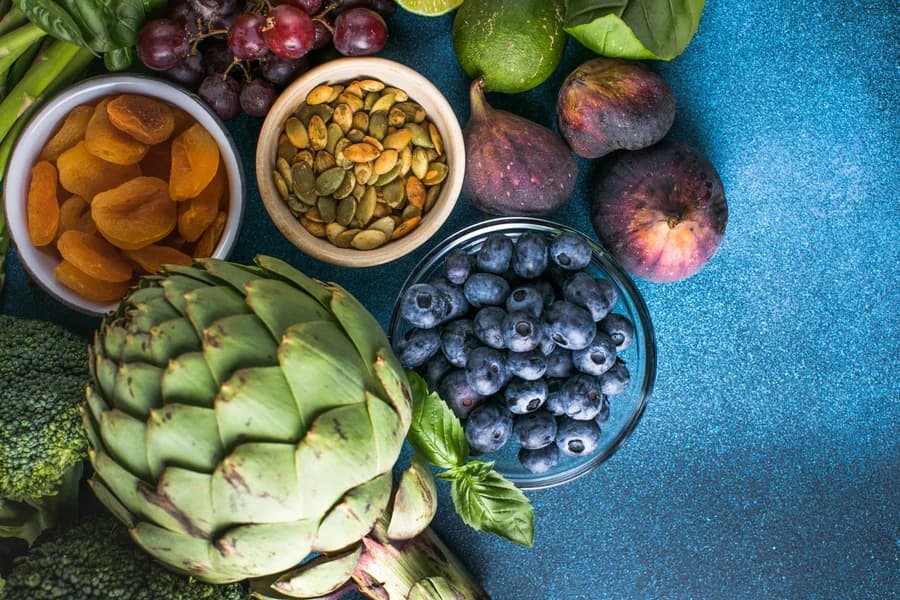
Aim for colour and variety: leafy greens, carrots, tomatoes, amla, guava, citrus, seasonal berries, beans, lentils, whole grains, nuts, seeds, herbs and spices. Frozen and cooked produce still count; cooking reduces some heat-sensitive compounds while making others, like lycopene in tomatoes, easier to absorb.
Before buying a supplement, ask what problem it should solve, whether the evidence applies to that product and dose, and what the risks are. If there is no defined need, better food and consistent habits are usually the sounder investment. Antioxidants are not an insurance policy against smoking, poor sleep or an unbalanced diet.
The bottom line
Antioxidant biology is complex, and megadose pills have not reproduced the benefits of a plant-rich diet; some have caused harm. Choose varied foods first and keep supplements for specific, evidence-based needs.
Editorial sources
- Antioxidant Supplements: What You Need To Know – NCCIH (NIH)
- The effect of vitamin E and beta carotene on the incidence of lung cancer in male smokers (ATBC) – N Engl J Med, 1994 (PubMed)
- Effects of a combination of beta carotene and vitamin A on lung cancer and cardiovascular disease (CARET) – N Engl J Med, 1996 (PubMed)
- Vitamin E and the risk of prostate cancer: SELECT – JAMA, 2011 (PubMed)
- Vitamin C and E supplementation hampers cellular adaptation to endurance training – J Physiol, 2014 (PubMed)
- Vitamin E – Health Professional Fact Sheet, NIH Office of Dietary Supplements
- Age-Related Eye Disease Studies (AREDS/AREDS2) – National Eye Institute
Frequently Asked Questions
Related Articles
Antioxidants: Nutrition Facts, Uses and Safety
Antioxidants can add variety, flavour and useful nutrients to a vegetarian eating pattern. Its exact nutrition depends on the form, serving and.

Antioxidant Rich Foods: A Simple Guide to Eating More of Them
Antioxidants protect your cells from everyday oxidative stress caused by pollution, sun exposure, and normal metabolism. See the easiest foods to build a.

Vitamin E Benefits: Antioxidant Power for Skin & Hair
Vitamin E is a fat-soluble antioxidant that protects cell membranes from damage and supports skin and hair health. See where to find it, and how much you.

Vitamin C Benefits: Immunity, Skin, Antioxidants & Sources
Vitamin C strengthens immunity, builds collagen for skin and joints, and improves how well you absorb iron from plant foods. See its full benefits and.
Glutathione-Rich Foods: How the Body Makes Its Own Antioxidant
Your body makes glutathione from amino acids. See which foods contain it or support its production, and why detox and skin claims fall short.