
Smoothie Recipes for Weight Loss: 6 Indian Ideas With No Added Sugar
Six easy Indian smoothies made with whole fruit, curd, oats and seeds, with no added sugar, plus tips on portions and when to drink them.
Key Takeaways
- Blend whole fruit instead of using juice, so the fibre stays in your glass.
- WHO advises keeping free sugars below 10% of daily energy; fruit juice sugars count as free sugars.
- Curd, milk, oats and seeds add protein and fibre that may help you stay full.
- Keep each smoothie to about one glass and skip sugar, honey and ice cream.
- A smoothie can be a snack or part of breakfast, but it should not blindly replace meals.
A glass of smoothie looks healthy, but many shop-bought versions are mostly sugar, juice and ice cream. Made at home with whole fruit, curd and a few seeds, it can be a simple, filling snack. These smoothie recipes for weight loss use everyday Indian ingredients and no added sugar.
The idea is not that a drink melts weight. It is that a well-made smoothie can replace a biscuit, a sweet chai or a packet snack with something that has fibre and protein. Each recipe below makes 2 glasses.
Source: WHO – WHO calls on countries to reduce sugars intake among adults and children (2015)
Why smoothies can help with weight loss
On their own, smoothies do not cause weight loss. What helps is the overall pattern: fewer sugary drinks, more fibre, enough protein and sensible portions. A homemade smoothie can fit into that pattern if you build it the right way.
Whole fruit, not juice
The World Health Organization recommends that adults keep free sugars below 10% of their total energy intake, and suggests that going below 5% may bring extra benefits. WHO counts sugars naturally present in fruit juices as free sugars, but not the sugars inside fresh whole fruit. Harvard's Nutrition Source also advises eating whole fruit instead of drinking fruit juice. In a large study of three US cohorts, eating more of certain whole fruits was linked to a lower risk of type 2 diabetes, while drinking more fruit juice was linked to a higher risk. When you blend the whole fruit, the pulp and fibre stay in the glass. Even so, a blended drink goes down faster than whole fruit, so portions still matter.
Fibre and protein for fullness
Harvard notes that soluble fibre forms a gel in the gut that can slow digestion, which may help reduce hunger and avoid sharp rises in blood sugar. Oats, chia seeds, fruit pulp and vegetables all add fibre. Curd and milk add protein, which can make a smoothie more satisfying than a fruit-only drink.
6 smoothie recipes for weight loss
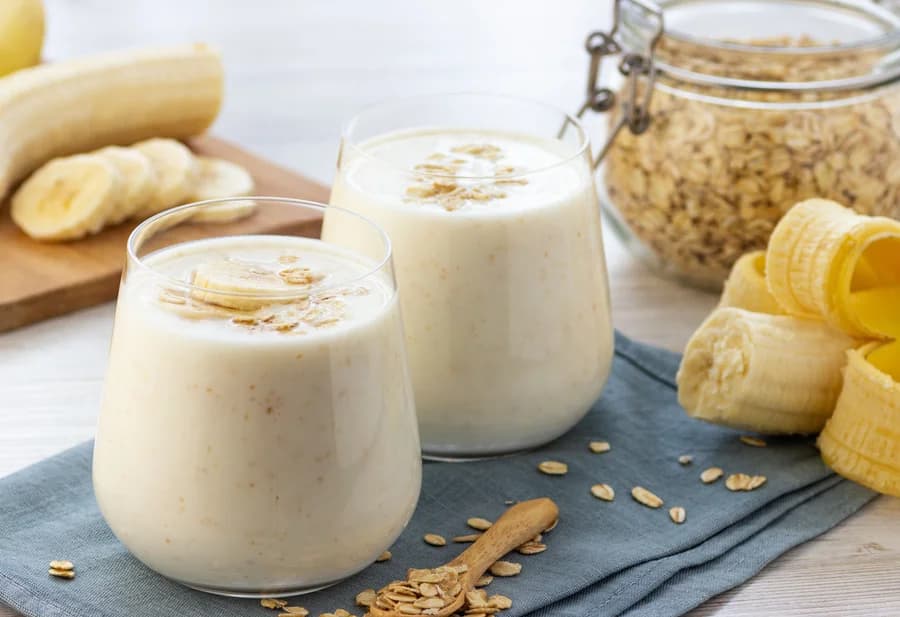
1. Banana oats curd smoothie
You need 1 medium banana, 3 tbsp rolled oats, 1 cup curd, half a cup of water or milk and a pinch of elaichi powder. Soak the oats in the water or milk for 10 minutes so they blend smoothly, then blend everything until creamy. The banana gives natural sweetness, so there is no need for sugar or honey. Oats bring fibre and curd brings protein, which makes this one of the most filling options on the list. It works well as part of breakfast.
2. Spinach apple smoothie
You need 1 cup fresh spinach leaves, 1 apple with the peel, half a cucumber, a small piece of ginger, juice of half a lemon and 1 cup cold water. Wash the spinach well, chop the apple and cucumber and blend everything until smooth. Keeping the apple peel adds fibre. This green smoothie is light and refreshing, and the vegetables add volume without much sugar. Add 2 tbsp curd if you want it creamier.
3. Papaya chia smoothie
You need 1 cup ripe papaya pieces, 1 cup curd or milk, 1 tbsp chia seeds and a pinch of cinnamon. Soak the chia seeds in a little water for 15 minutes until they swell. Blend the papaya with the curd and cinnamon, then stir in the soaked chia. Ripe papaya is naturally sweet and soft, and many people find it gentle on the stomach. Chia seeds can add fibre and a pleasant texture.
4. Beetroot carrot smoothie
You need 1 small beetroot, 1 carrot, half an apple, a small piece of ginger, juice of half a lemon and 1 cup water. Peel and chop the beetroot and carrot, then blend with the other ingredients. If your blender struggles, steam the beetroot and carrot for 5 minutes and cool them first. This is more of a vegetable smoothie, so it is lower in sugar than fruit-only drinks. Drink it without straining, because straining throws away the fibre.
5. Mango curd smoothie (small portion)
You need half a cup of ripe mango pieces, 1 cup curd, half a cup of cold water and a few mint leaves. Blend everything until smooth. Mango is sweet and easy to overdo, so keep the fruit to half a cup for two glasses and let the curd make up the bulk. This is a good summer treat that satisfies a sweet craving without added sugar or ice cream. Enjoy it occasionally rather than every day if you are watching your sugar.
6. Peanut butter oats smoothie
You need 1 tbsp unsweetened peanut butter, 3 tbsp rolled oats, 1 small banana, 1.5 cups milk and a pinch of cinnamon. Soak the oats in a little milk for 10 minutes, then blend everything together. Choose peanut butter made only from peanuts, without added sugar or oil. Peanuts and milk bring protein and the oats bring fibre, which makes this smoothie quite filling. It is also higher in calories, so treat it as a meal component, for example after a morning workout, and not as an extra snack.
How to include smoothies in a healthy diet
Keep each serving to about one glass. A bigger glass can add calories quickly, even without sugar. Use one fruit or one fruit and one vegetable per smoothie, and build the rest with curd, milk, water, oats or seeds.
The best time for most people is breakfast or a mid-morning or evening snack. A smoothie with oats and curd can be part of breakfast alongside a small bowl of poha or a besan cheela. Avoid drinking it as a late-night snack.
Do not replace whole meals blindly with smoothies. A plate of dal, sabzi, roti and salad gives you a wider mix of nutrients, more chewing and often more fullness than a drink. Weight loss comes from an overall balanced diet, sensible portions, good sleep and regular activity.
Tips and who should be careful
Drink smoothies fresh, as they can separate and change colour within a few hours. Skip sugar, honey, jaggery, flavoured yoghurt and ice cream. Use ripe fruit for natural sweetness, and add elaichi or cinnamon for flavour.
If you have diabetes, choose the vegetable-based options more often, keep fruit portions small, pair the smoothie with protein and check your sugar levels. People with kidney disease may need to limit potassium-rich foods like banana, spinach, beetroot and papaya, so ask your doctor first. Skip the peanut butter smoothie if you have a peanut allergy, and use a lactose-free option if milk or curd does not suit you.
How Habuild can help
These smoothie recipes for weight loss are one small habit. Habuild's live yoga and fitness sessions, along with mindful eating habits, can support a healthier lifestyle.
Editorial Sources
- WHO – WHO calls on countries to reduce sugars intake among adults and children (2015)
- Harvard T.H. Chan School of Public Health – The Nutrition Source: Fiber
- Muraki I et al. – Fruit consumption and risk of type 2 diabetes, BMJ (2013)
- Harvard T.H. Chan School of Public Health – The Nutrition Source: Protein
Health Disclaimer
This article is for general information only and is not medical advice. If you have diabetes, a kidney condition or any food allergy, please talk to your doctor or a registered dietitian before changing your diet.
Frequently Asked Questions
Related Articles
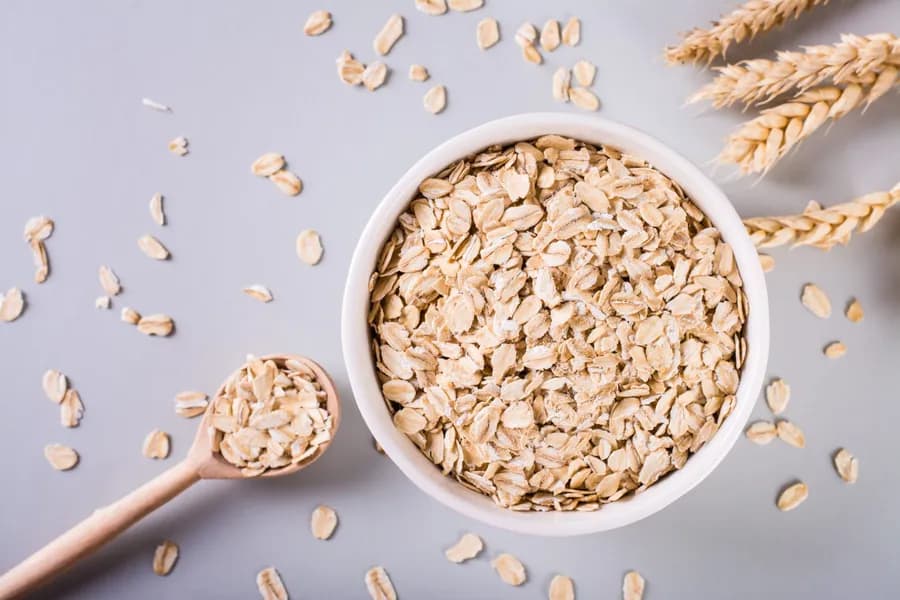
Oats Benefits: Types and How to Eat Them
Oats provide soluble fibre called beta-glucan. Learn the main types, realistic benefits and easy sweet or savoury meal ideas.

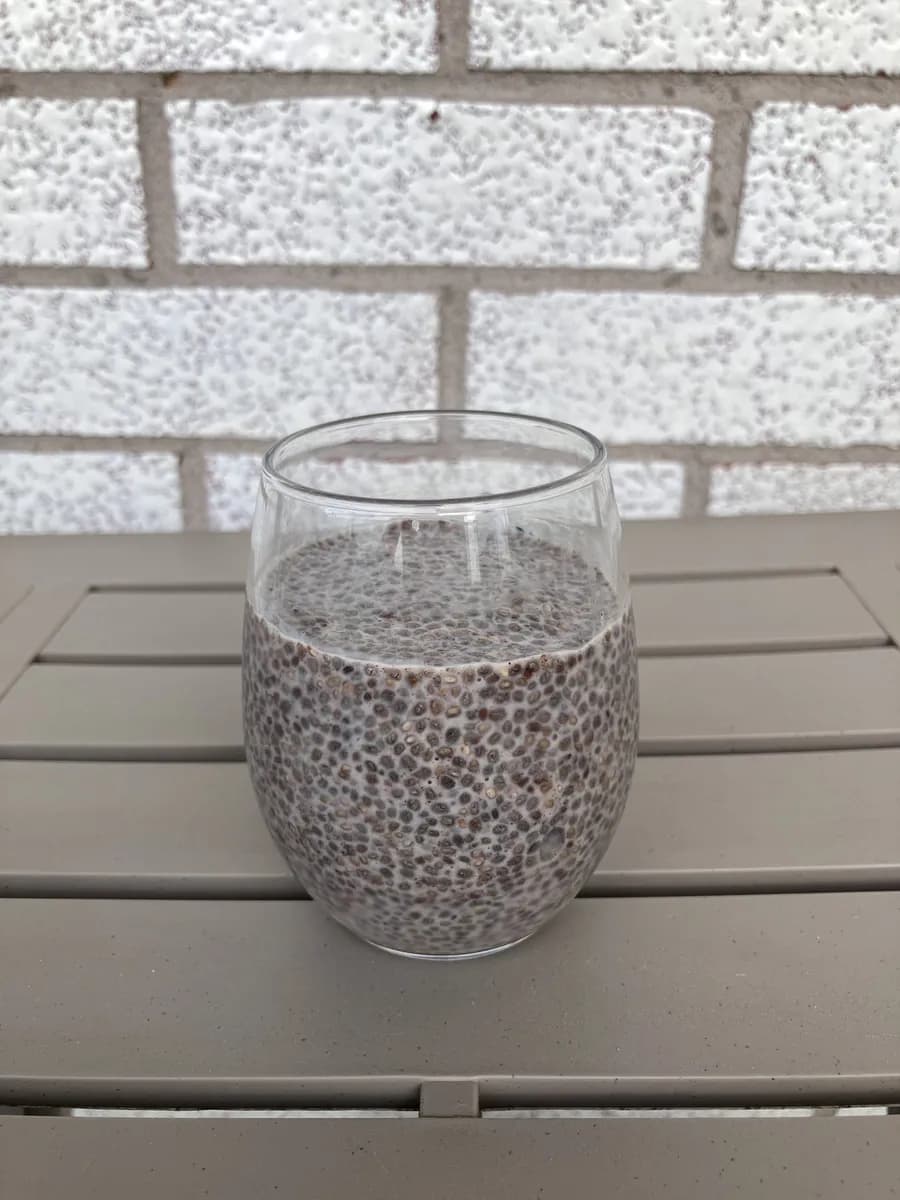
Chia Seeds for Weight Loss: The Gel-Forming Fibre Explained
Chia’s soluble fibre forms a gel when it meets liquid, and that gel-forming action — not glycemic index — is what drives its effect on appetite. See how.


Besan cheela recipe with millet and veggies
Besan millet veggie cheela combines vegetarian protein from besan, variety from millet flour, and fibre from grated vegetables in one simple pan-cooked.