
Snacks for People with Diabetes: Choose for Hunger and Your Plan
Familiar foods can make useful diabetes snacks. Match them to appetite and treatment, while keeping low-glucose rescue food separate.
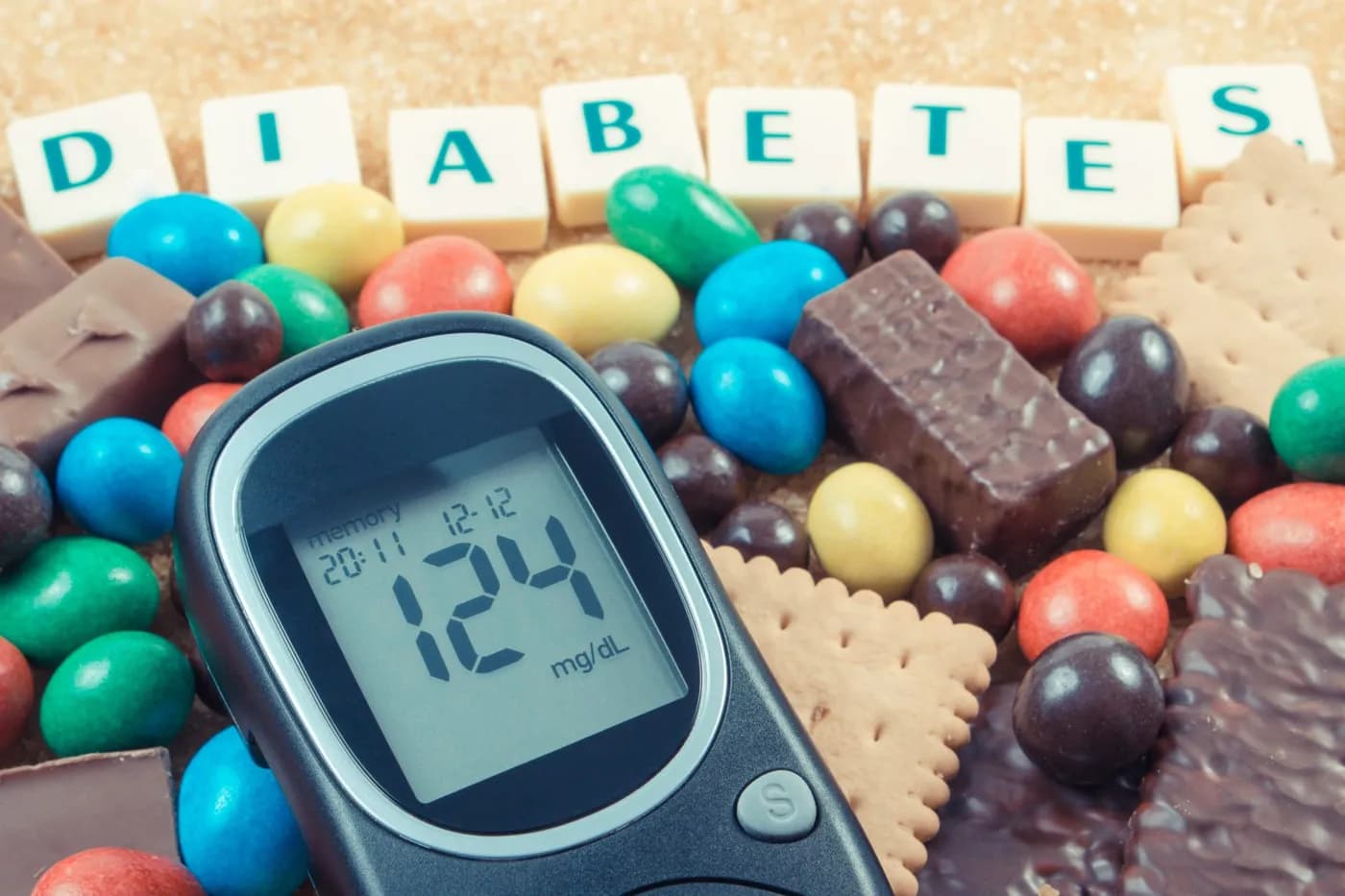
Key Takeaways
- Not every person with diabetes needs a snack.
- Add protein or fibre for an ordinary hungry gap.
- Sugar-free products are optional.
- Treating low glucose is different from a routine snack.
A diabetes diagnosis does not mean every snack needs a special packet or a sugar-free label. Familiar foods can work, and some people do not need a snack between every meal. The useful choice depends on hunger, the gap before the next meal, activity and medicines. A routine snack and treatment for low blood glucose are different situations, so keep those purposes separate.
Do you need a snack right now?
If you are comfortably full and the next meal is near, you may not need one. Eating automatically because a list recommends five eating occasions can add food without solving a problem.
A long workday, physical activity or an individual medicine plan may make a snack useful. Someone taking insulin may have different needs from someone managing diabetes without medicines that cause low glucose.
Use the plan that fits your treatment. If hunger repeatedly becomes intense in the afternoon, look at lunch and the timetable as well as the snack. A meal that was too small may be the problem to solve.
For an ordinary hungry gap, add some substance
Foods with protein, fibre or useful fat can make a snack more satisfying. They may also contain carbohydrate, so a healthy image does not make the portion irrelevant.
Plain curd with a suitable fruit serving, a small paneer or tofu filling, or cooked chana with vegetables are possible combinations. Choose what you enjoy and can prepare regularly.
You do not need every component at once. A modest snack for a short gap and a more substantial one before a late dinner have different jobs. Match the food to the situation rather than building the largest possible plate from a list of approved ingredients.
Fruit can remain an option
Whole fruit contains carbohydrate and can fit many diabetes meal plans. The amount matters, especially when several fruits are combined into a large bowl or drink.
Try a manageable serving alongside plain curd or another suitable food if you need a more substantial snack. You can eat the components separately rather than blend them.
Juice and a sweetened smoothie are different choices. They can make it easier to consume a large amount quickly, with less of the eating structure of whole fruit. There is no need to remove all fruit, but neither does its natural origin make the carbohydrate disappear.
Roasted chana and nuts do different jobs
Roasted chana contributes carbohydrate, protein and fibre. Nuts supply useful fat and some protein, and are energy-dense. Both can be convenient, but they are not identical exchanges.
Serve a portion rather than eating repeatedly from a large bag. For nuts, a small handful may be enough to accompany another food; for chana, the amount should fit your appetite and carbohydrate plan.
Choose plain or less salty versions more often, especially if blood pressure is also a concern. You do not need to avoid a familiar seasoning entirely, but salty snack mixtures can become a very different food from plain nuts or chana.
Savoury food is not automatically low in carbohydrate
Poha, crackers, bread, dhokla and similar foods can fit, but their carbohydrate comes mainly from the grain or flour. Lack of a sweet taste does not make them unlimited.
A smaller portion with a substantial filling or accompaniment may work better than a large plain serving. For example, a modest sandwich with tofu and vegetables has a different balance from several slices of bread with a thin spread.
If a snack regularly produces readings outside your target, consider the actual portion and recipe. You may need a practical adjustment rather than a complete ban. Keep monitoring appropriate to your treatment instead of checking every food anxiously without a purpose.
Sugar-free products are optional
A sugar-free biscuit can still contain flour, fat and carbohydrate. Some products use sugar alcohols that cause bloating or diarrhoea in larger amounts.
For an occasional food you enjoy, use a suitable portion rather than expecting the claim to settle the whole decision. A plain food without a special diabetes label may be equally useful and less expensive.
You do not need to compare every product in the shop. Start with a snack you buy frequently and look at the serving and carbohydrate, then consider whether it satisfies you. The best purchase solves a real food need, not just a worry about the word sugar.
A low-glucose episode needs a different response
Shaking, sweating, confusion, sudden hunger or weakness can signal low glucose, particularly with relevant medicines. Check when appropriate and follow your established treatment plan.
For many adults, the usual approach is 15 g of fast-acting carbohydrate, followed by a recheck after 15 minutes. Glucose tablets or another measured option are more dependable than guessing with nuts, paneer or a high-fat snack, which do not act quickly enough.
Individual plans differ, especially with some insulin-delivery systems. If someone is unconscious, having a seizure or cannot swallow safely, do not give food or drink by mouth. Use prescribed rescue treatment if available and seek emergency help. An everyday snack list should never delay that response.
Plan for travel and activity
Carry suitable food when meals may be delayed, and keep low-glucose treatment separate if your care requires it. The two can sit in the same bag without serving the same purpose.
Perishable snacks such as curd or paneer need cooling. If refrigeration is unavailable, choose something that stores safely and suits the day's plan.
Exercise can affect glucose, sometimes beyond the activity itself. People using insulin or medicines that increase insulin release may need a specific food or medicine adjustment. Do not copy another person's pre-walk snack automatically, because treatment and responses vary.
Let the routine stay flexible
Choose two or three practical options for the situations that recur: an office afternoon, a commute or a late dinner. This is easier than designing a different snack for every day.
Kidney disease, food allergies or another prescribed diet can change the options, so use that individual plan when relevant. A general high-protein snack list does not override it.
A useful diabetes snack supports your day and treatment without becoming another obligation. Eat when it serves hunger or a defined plan, use comfortable portions and keep emergency low-glucose treatment clearly distinct.
Editorial sources
Frequently Asked Questions
Related Articles
Diabetic Meal Plan Indian Style: A Full-Day Guide to Balanced Eating
A diabetic meal plan doesn’t mean giving up dal, roti, or rice — it means getting portions, timing, and combinations right. See a full day of eating.

How to Control Diabetes: Exercise, Yoga and Natural Methods
Exercise improves insulin sensitivity, yoga reduces cortisol, and together they address insulin resistance, hepatic glucose production, and inflammation

Is Banana Good for Diabetes? Portions, Ripeness and Pairings
Banana can fit a diabetes eating plan when portion, ripeness and pairing are right. Here is how to include it and check your own response.

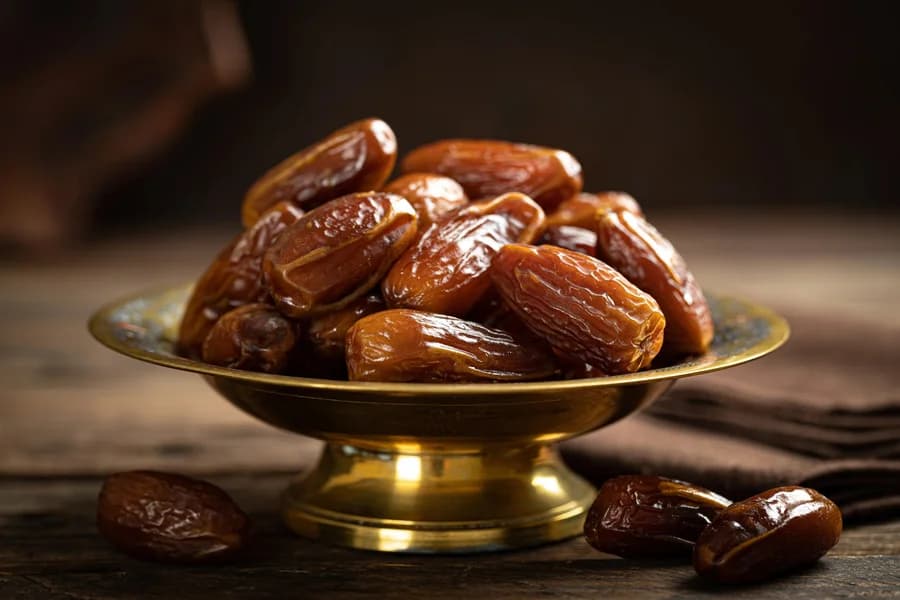
Can People with Diabetes Eat Dates? Portions and Blood-Sugar Tips
Dates concentrate natural sugars into a small volume. Diabetes does not make them forbidden, but portions need deliberate attention.