
Foods for Stress and Anxiety: What Nutrition Can and Can’t Do
Certain nutrients support mood regulation, blood sugar stability, and the gut-brain connection — but food can’t replace therapy or medication for a.

Key Takeaways
- Certain nutrients support mood, blood sugar stability, and the gut-brain connection.
- Food can’t replace therapy or medication for a diagnosed anxiety disorder.
- Magnesium helps regulate the stress-response system; B vitamins support serotonin and GABA.
- Sharp blood sugar swings from skipped meals can mimic anxiety symptoms like shakiness.
- A stable diet removes physiological triggers – it doesn’t ‘cure’ anxiety on its own.
Foods for stress and anxiety are a genuinely useful piece of the puzzle — certain nutrients support the systems involved in mood regulation, blood sugar stability, and the gut-brain connection. What food can’t do is replace therapy or medication for a diagnosed anxiety disorder, and any honest discussion of nutrition and mental health needs to say that clearly upfront.
Foods for Stress and Anxiety: The Quick List
- Magnesium-rich foods (nuts, seeds, leafy greens, whole grains): magnesium is involved in regulating the nervous system’s stress response
- B vitamins (whole grains, eggs, legumes): support neurotransmitter production, including serotonin and GABA
- Omega-3 fatty acids (flaxseed, walnuts, chia seeds): linked to lower inflammation, which is increasingly tied to mood
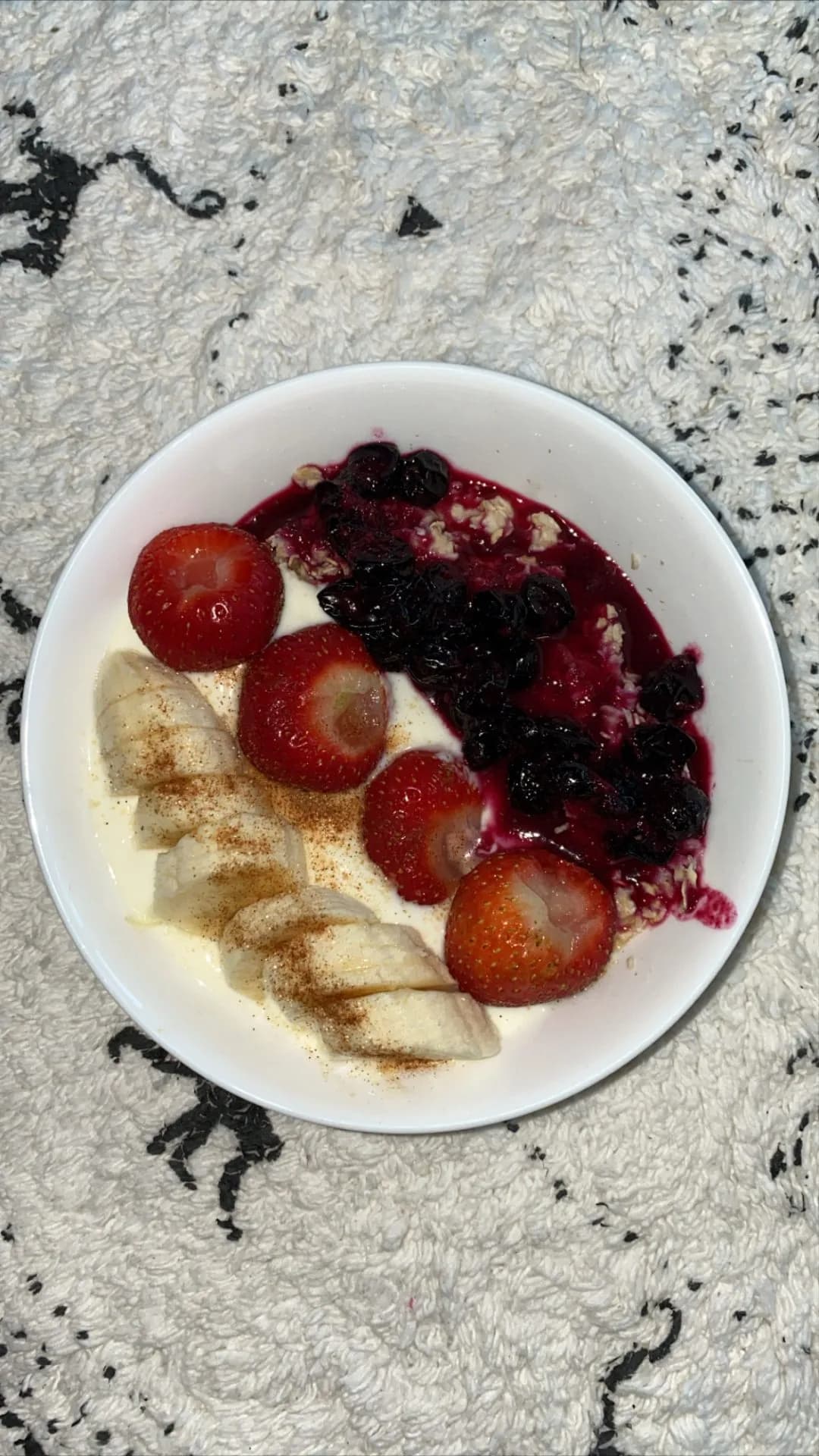
- Fermented foods (yogurt, curd, idli, dosa batter): support gut bacteria that communicate with the brain via the gut-brain axis
- Complex carbohydrates (oats, whole wheat, millets): help keep blood sugar steady, which affects irritability and jitteriness
- Caffeine and alcohol, in moderation: both can worsen anxiety symptoms in sensitive people when overused
The Real Science Behind Foods for Stress and Anxiety
The link between nutrition and anxiety is real but modest, and it’s worth being precise about what the evidence actually supports. Magnesium is involved in regulating the hypothalamic-pituitary-adrenal axis, the system that governs your stress response, and low magnesium status has been associated with higher self-reported anxiety in some studies. B vitamins, particularly B6, B12, and folate, are needed to produce neurotransmitters like serotonin and GABA that influence mood and calm. Omega-3 fats appear to help by lowering the chronic low-grade inflammation that’s increasingly linked to mood disorders. Taken together, this is the actual science behind why foods for stress and anxiety keep coming up in nutrition research.
Then there’s the gut-brain axis: your gut produces a significant portion of the body’s serotonin, and the bacteria living there communicate with your brain through the vagus nerve and immune signaling. Fermented foods and fiber-rich plants support a healthier gut microbiome, which some research connects to better mood regulation. Blood sugar also matters more than people expect — sharp glucose swings from skipped meals or very high-sugar foods can mimic or intensify anxiety symptoms like shakiness, racing heart, and irritability, simply because the physical sensations overlap. This is part of why blood-sugar-friendly foods for stress and anxiety are often recommended alongside magnesium- and B-vitamin-rich choices.
None of these mechanisms mean food “cures” anxiety. They mean a stable, nutrient-adequate diet removes some physiological triggers that can make anxiety feel worse, which is a meaningfully different and more honest claim.
Magnesium’s role here connects closely to sleep, too — if you want to go deeper on which form works best for calming the nervous system, Magnesium for Sleep and Anxiety breaks that down, and for women whose stress symptoms seem tied to hormonal shifts, Vitamins to Balance Hormones for Females covers the overlapping nutrient picture.
Photo: User:Melchoir, CC BY-SA 3.0, via Wikimedia Commons
Building an Eating Pattern With Foods for Stress and Anxiety
Regular meals matter more than any single ingredient — skipping meals and then eating something very sugary sets up exactly the blood sugar swings that can feel like anxiety. Aim for balanced meals with protein, fiber, and some fat at regular intervals, add a handful of nuts or seeds most days, include a serving of fermented food like curd or idli batter, and keep caffeine intake moderate, especially later in the day, since excess caffeine directly triggers anxiety-like physical symptoms in many people. Alcohol is worth watching too — it can feel calming short-term but tends to worsen anxiety and disrupt sleep afterward. None of these swaps need to be complicated; building a day around a few reliable foods for stress and anxiety is usually enough to feel the difference.
Where Nutrition Ends and Professional Care Begins
This is the part that matters most: the nutrition strategies above can support day-to-day resilience, but they are not a treatment for generalized anxiety disorder, panic disorder, or clinical depression. These are diagnosable conditions with effective treatments — therapy, medication, or both — and diet changes are a supplement to that care, not a substitute for it. If anxiety is interfering with sleep, work, relationships, or daily functioning, or if you’re having panic attacks or persistent dread, that’s a signal to speak with a doctor or mental health professional rather than trying to eat your way out of it. Foods for stress and anxiety can genuinely help day to day, but they were never meant to stand in for that kind of care.
Frequently Asked Questions
Related Articles
Yoga Nidra for Beginners: A Complete Guide
Yoga nidra, or yogic sleep, is one of the easiest ways into meditation — no sitting, no posture discipline, just lying down and following a guide's voice. Try a guided yoga nidra session with Habuild.

Meditation for Stress: A Simple Way to Calm Down
Meditation for stress won't erase the deadline or the difficult day, but it can change how your body and mind respond to it. Start with a short guided session from Habuild today.

Meditation for Sleep: A Gentle Nightly Practice for Calm
Meditation for sleep won't knock you out like a pill, but it teaches your mind and body how to let go, night after night. Try a guided nightly practice with Habuild.