
Meditation for Stress: A Simple Way to Calm Down
Meditation for stress won't erase the deadline or the difficult day, but it can change how your body and mind respond to it. Start with a short guided session from Habuild today.
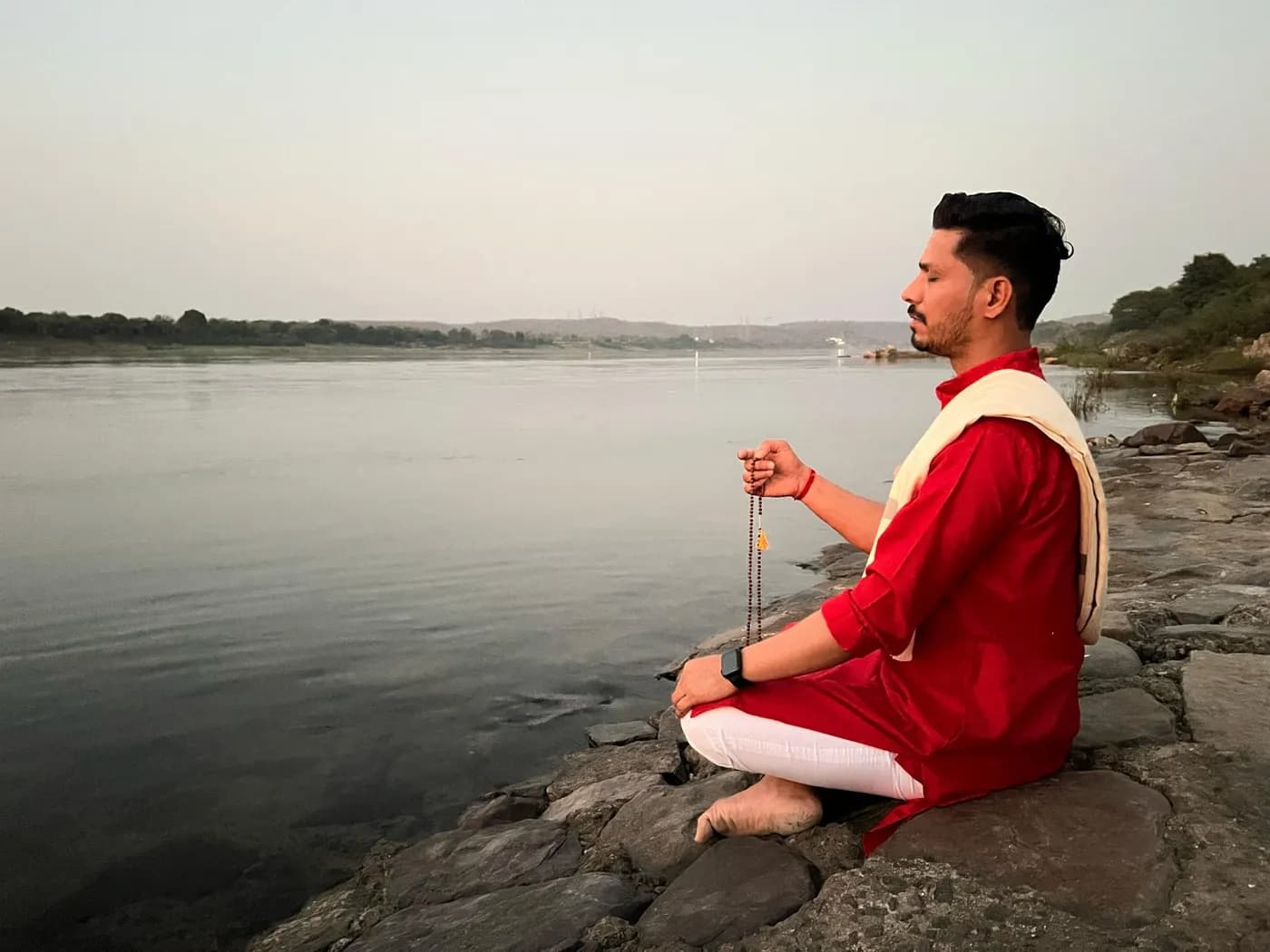
Key Takeaways
- Meditation for stress calms the body’s fight-or-flight nervous system response.
- Slow, steady breathing activates the calming parasympathetic nervous system.
- Interrupts anxious thought loops by returning attention to the breath.
- A simple desk technique: breathe in for 4, hold 4, exhale for 6 counts.
- Won’t remove the stressor, but changes how your body responds to it.
- No equipment or special room needed – works at a desk or in bed.
If your mind has been racing since the moment you woke up, or your shoulders have been living somewhere near your ears for weeks, you already know what stress feels like in the body. What you may not know is how simple the fix can be to start with. Meditation for stress is one of the oldest, most researched, and most accessible tools we have — no equipment, no special room, no big time commitment. It won’t erase the deadline, the difficult relative, or the bills. But it can change how your body and mind respond to all of it, and that alone makes a real difference on an ordinary Tuesday.
Let’s talk about why this works, walk through a short technique you can try today, and be honest about what meditation can and can’t do for you.
Why Meditation for Stress Actually Works
Stress isn’t just a feeling — it’s a physical state. When something stresses you out, your body switches on the sympathetic nervous system, the one responsible for “fight or flight.” Your heart rate climbs, your breath gets shallow, your muscles tighten, and your mind starts scanning for danger, even if the danger is just an unanswered email. This response is useful when you’re actually in danger. It’s exhausting when it’s switched on for hours because of a work deadline or a family argument that happened three days ago.
This is where meditation for stress earns its reputation. Slow, steady breathing and a few minutes of quiet attention activate the parasympathetic nervous system — the “rest and digest” side of you. Your heart rate slows, your breath deepens, and your body gets a clear signal that it’s safe to stand down. You’re not just distracting yourself; you’re physically shifting gears.
The second piece is the mind. Stress often runs on a loop — the same worried thought, replayed on repeat, each time picking up a little more anxiety. Meditation interrupts that loop. Instead of following the thought wherever it goes, you keep gently returning attention to something neutral, like the breath. Over time, this breaks the habit of getting pulled into rumination, which is often what makes stress feel so much bigger than the actual problem. This combination — a calmer body and a mind that isn’t stuck replaying worry — is exactly why meditation for stress has held up across both centuries of yogic tradition and decades of modern research.
A Simple Meditation for Stress You Can Do at Your Desk or in Bed
You don’t need an app, a cushion, or twenty minutes you don’t have. Here’s a straightforward meditation for stress that works whether you’re at your desk between meetings or lying in bed trying to switch off before sleep.
- Sit or lie down comfortably. Loosen anything tight — your collar, your fists, your jaw. Close your eyes if that feels comfortable, or simply soften your gaze downward.
- Take three slow breaths on purpose. Breathe in for a count of four, hold for a count of four, and breathe out for a count of six. The longer exhale is doing a lot of the calming work here — it directly signals your nervous system to relax.
- Let your breath settle into its own rhythm. Stop counting. Just notice the air moving in and out, the slight pause between breaths, the rise and fall of your chest or belly.
- When your mind wanders — and it will — notice it without judgment, and gently bring your attention back to the breath. This happening isn’t failure. Coming back is the actual practice.
- Continue for five to ten minutes. A phone timer works fine. When the time is up, open your eyes slowly and give yourself a few seconds before moving on with your day.
That’s the whole technique. Do it once and you’ll likely feel a bit calmer. Do it daily for a few weeks and you’ll likely notice you recover from stressful moments faster than before.
Where your stress is coming from matters for what you do alongside this practice. If most of your tension is tied to your job, it’s worth reading a bit more on meditation for work stress, since workplace pressure often needs its own specific approach on top of a general practice. If you’d rather work with your hands than sit still with your breath, a mudra for stress relief is a lovely complementary practice you can do at a traffic signal or in a meeting you can’t leave. And if all of this is new territory for you, it may help to start with the basics in meditation for beginners before building up to longer sessions.
Photo via Wikimedia Commons, CC BY 3.0
Guided Meditation for Stress: Should You Try It on Your Own First?
A lot of people find it easier to begin with a guided meditation for stress rather than sitting in silence with their own thoughts. There’s nothing wrong with that — a calm voice talking you through the breath can keep your mind anchored, especially on days when your stress feels loud. Guided sessions are also useful for learning the shape of the practice before you try it unguided.
That said, don’t feel like you need an app or a recording forever. The technique above works perfectly well on its own, and many people eventually prefer the quiet of practicing without a voice guiding every step. Try both and see what your mind responds to. There’s no “correct” way to meditate for stress — only the way that gets you to actually sit down and do it.
Mindfulness-Based Stress Reduction (MBSR): The Structured Version
If you want something more formal, it’s worth knowing about Mindfulness-Based Stress Reduction, usually shortened to MBSR. It’s an eight-week structured programme, originally developed in a hospital setting, that combines meditation, gentle body awareness, and mindfulness stress reduction techniques into a weekly class with daily home practice.
MBSR is essentially a more clinical, more supervised version of the meditation for stress management you can already start doing on your own tonight. It suits people who like structure, accountability, and a teacher guiding them through the process, or those dealing with stress serious enough that they want a more supported path. You don’t need to enrol in an MBSR course to benefit from meditation — the simple breath practice above captures much of the same core idea — but if you like the sound of a guided, weekly commitment, it’s a well-researched option worth looking into.
Meditation for Stress Management Isn’t a Fix for Everything
Here’s the honest part. Meditation helps you manage stress. It does not remove the thing that’s stressing you out. If your job has unreasonable hours, if a relationship is genuinely difficult, or if money is tight, no amount of breathing is going to change those facts on its own. What meditation for stress management does is give you a steadier, calmer place to think from, so you can actually address the real problem instead of reacting to it from a place of panic or exhaustion.
Think of it as the difference between calming rough water and stopping the wind. Meditation calms the water — your body, your reactions, your ability to think clearly. But if the wind keeps blowing, the water will get rough again unless you also deal with what’s causing it. So use meditation for stress as your daily anchor, and treat it as one part of a bigger picture that includes actually looking at what’s causing your stress and making changes where you can — having the hard conversation, setting a boundary, asking for help, or making a change you’ve been putting off. The two together, a calm mind and honest action, do far more than either one alone.
Frequently Asked Questions
Related Articles
How to Reduce Stress: 8 Natural Ways to Calm Your Mind and Body
Chronically elevated cortisol disrupts sleep, digestion, mood, immunity, and weight — but the nervous system can be retrained with no equipment and no special knowledge. See all 8 natural ways.

Bhramari Pranayama: Steps, Benefits and Precautions
Bhramari pranayama, the humming bee breath, brings the head still and quiet within seconds. Learn the correct hand position, steps, and precautions with Habuild's guided practice.
Mantra Meditation: How It Works and How to Start
Mantra meditation uses a repeated word or sound instead of the breath as your anchor — often easier to hold onto on busy, distracted days. Learn how to start with Habuild's guided sessions.