
Superfoods: Useful Nutrition Without the Expensive Shopping List
Useful nutrition comes from a varied pattern. Learn how to choose foods for real needs rather than a superfood label.
Key Takeaways
- Superfood is a marketing label, not a nutritional class.
- Local foods like guava, chana and greens do similar jobs.
- Look at what your plate needs before buying special products.
- Powders and supplements need a separate, careful decision.
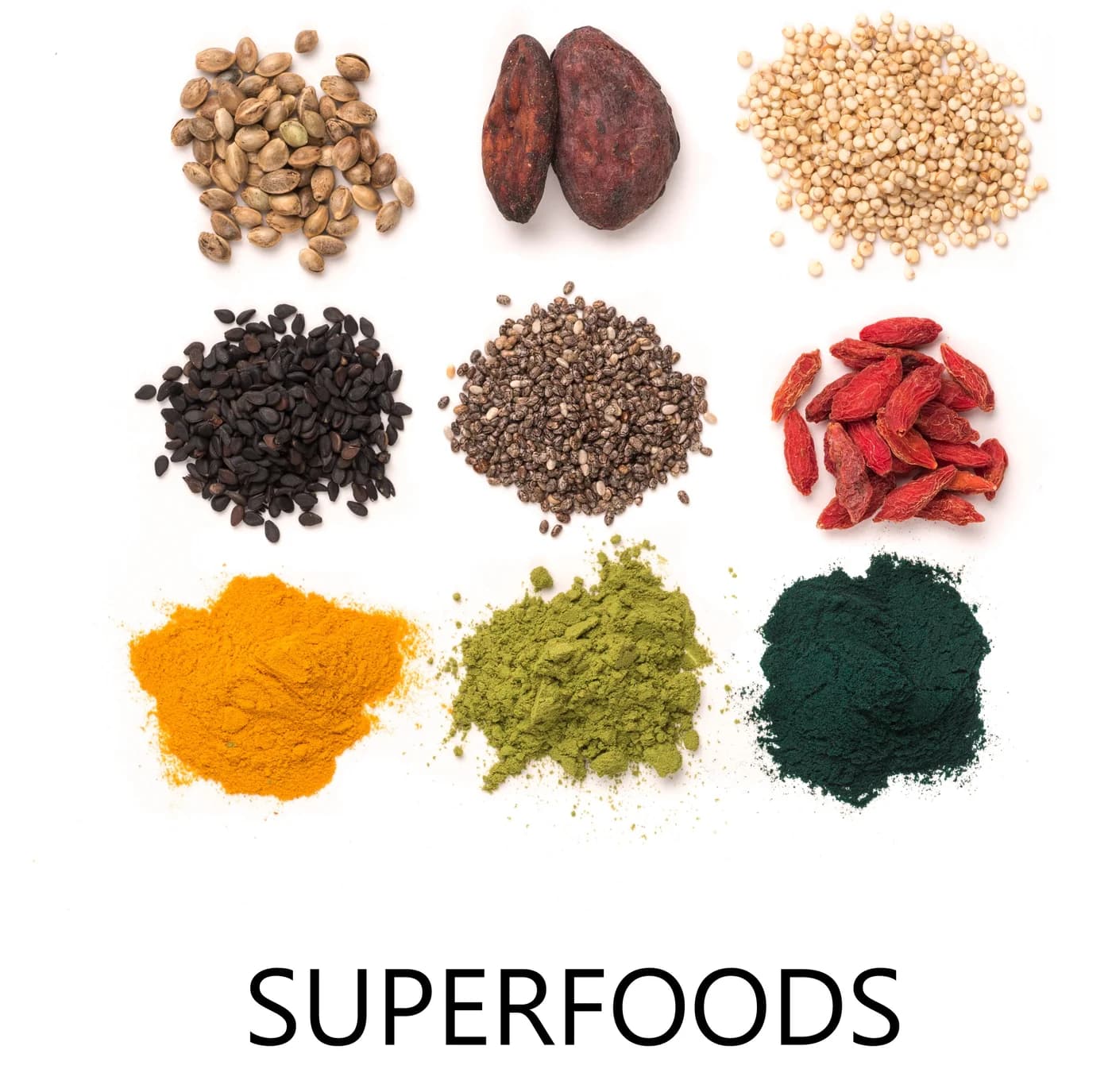
You can eat well without buying a single product labelled superfood. The word usually draws attention to a food's nutrients or plant compounds, but it does not describe a special nutritional class. Blueberries, chia seeds and quinoa can be enjoyable choices. So can guava, chana, groundnuts and seasonal greens. The more useful question is what your meals need, not which ingredient is trending.
A label with plenty of room for marketing
Superfood has no agreed scientific definition that puts one group of foods above the rest. It is commonly used for ingredients rich in a nutrient, such as vitamin C, fibre or unsaturated fat. Sometimes it is attached to a powder, drink or snack with much broader promises.
A food can genuinely contain useful compounds while the advertising exaggerates what eating it will do. Finding an antioxidant in a laboratory is not proof that a serving prevents cancer or cleans the liver. The benefit of a food also depends on the amount normally eaten, how it is prepared and what it replaces.
This is why a nutrient figure for 100 g of a spice or seed can mislead. You may use a teaspoon. A dramatic headline based on a much larger amount says little about that small serving. Ordinary portion sizes make comparisons more meaningful.
What does your plate need first?
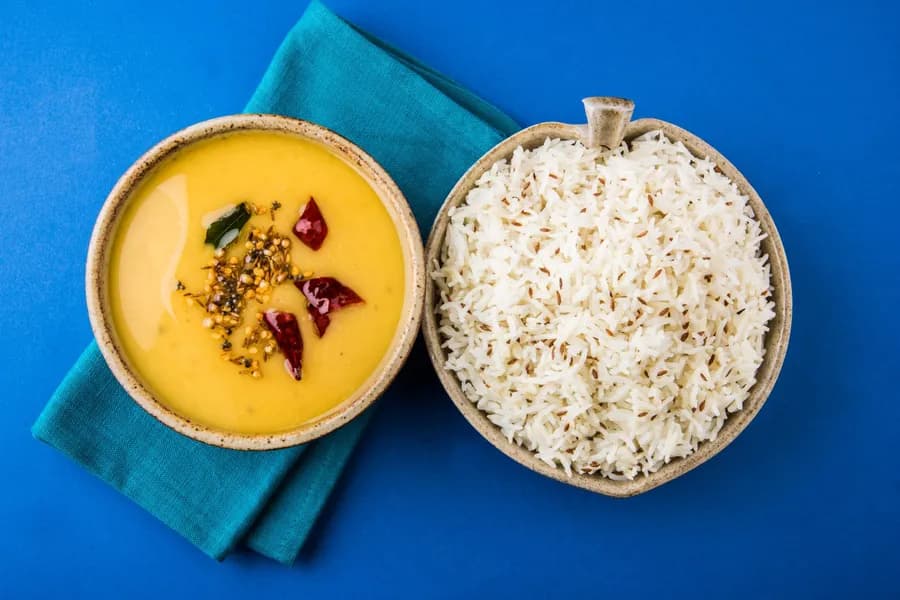
If lunch is mostly refined snacks and tea, a scoop of greens powder will not supply the missing meal. A better starting point is enough food from several groups: vegetables and fruit, pulses or other protein foods, grains and suitable fats. Improving that pattern usually offers more than concentrating on one addition.
For example, add dal or curd to a meal that lacks protein. Add a cooked vegetable if you rarely eat vegetables. Choose whole fruit when a sweet drink has become the default snack. These changes address a gap rather than responding to a label.
Our everyday diet and nutrition guide offers familiar combinations. There is room for variety, including foods from other cuisines, but a healthy plan should be affordable enough to repeat. An impressive shopping basket is not the same as meals that work through a busy week.
Local foods can do useful jobs
Guava and amla contribute vitamin C. Dal, rajma and chana provide fibre and protein. Groundnuts and sesame add unsaturated fats and other nutrients. Leafy vegetables bring a range of vitamins and minerals. No single item does everything, which is a reason to combine and rotate them.
That does not make every local ingredient a cure. It simply means nutrition is available without imported packaging. If berries are expensive, choose fruit you enjoy and can buy fresh. If quinoa is inconvenient, familiar grains can still fit alongside pulses and vegetables. A swap does not need to match every nutrient gram for gram to be worthwhile.
Some foods require more specific planning. A vegan diet, for instance, needs a reliable vitamin B12 source; an appealing mix of seeds and greens does not solve that. Diagnosed deficiencies may need treatment. The superfood label cannot replace an understanding of an actual nutritional need.
When an upgrade really is an upgrade
Replacing a frequent packet of fried namkeen with fruit and roasted chana changes the snack in useful ways. Adding a little ground flaxseed to curd can add variety. Replacing some butter with an unsaturated fat source can improve the type of fat in a meal. The swap matters as much as the added food.
By contrast, adding large handfuls of nuts to an already substantial smoothie increases energy. That may help someone who needs to eat more, but it may not fit another person's goal. Nuts are nutritious and energy dense at the same time. A health label does not make their portion irrelevant.
Likewise, a berry-flavoured sweet drink or chocolate bar with a few seeds is still the whole finished product. Consider what you are buying rather than giving the headline ingredient all the credit. You can enjoy a treat without needing it to qualify as a health food.
Powders deserve a different question
Whole foods offer texture, water, fibre and the experience of eating. Powders can be convenient in specific situations, but a scoop may not reproduce those features. Some contain added sweeteners, several extracts or very concentrated ingredients. A long ingredient list does not automatically make a product more complete.
Ask what problem the powder solves. A prescribed nutrition drink for poor intake has a clear purpose. A supplement treating a measured deficiency does too. A costly detox blend promising vague improvements is harder to justify. You do not need an advanced routine if ordinary meals already meet your needs.
Concentrated products also deserve more caution than familiar food portions. Herbal extracts can interact with medicines, and contamination or inaccurate amounts can occur. That is not a reason to fear every food; it is a reason not to transfer the reassurance of eating spinach to an unknown multi-ingredient capsule.
Build variety without creating more work
Choose a few repeatable basics. Keep one pulse ready to cook, buy a couple of seasonal vegetables and fruit, and have an easy protein option for rushed meals. Frozen vegetables and plain curd can be practical. Food does not need to be freshly harvested or Instagram-ready to contribute.
Use flavour to keep it enjoyable. Lemon, herbs, spices and different cooking methods help ordinary ingredients stay interesting. A carrot can appear in sabzi one day and a raita another. You can try a new seed or grain if you like, but it should earn its place through taste, convenience or a useful contribution.
Spend where it helps your routine
Before buying an expensive superfood, compare its cost with the food it might displace. Would that money help you buy fruit more often, improve breakfast or keep enough protein food at home? There is no universal answer, but the question puts the meal ahead of the marketing.
Choose one gap in your current eating pattern and address it this week. If you already enjoy a varied diet, keep enjoying it. Good nutrition can include special ingredients, but it is built through the ordinary foods you eat regularly.
Editorial sources
Frequently Asked Questions
Related Articles

Healthy Seeds: Nutrition, Portions and Easy Ways to Eat Them
Chia, flax, pumpkin, sesame, sunflower and hemp each add something different. How to rotate seeds, portion them and store them well.

Poppy Seeds Benefits: Nutrition, Uses and Drug-Test Caution
What poppy seeds (khus khus) really add to food, why they can affect opiate drug tests, and how to buy, store and use them safely.

Coriander Seeds: Nutrition, Uses and Evidence Behind the Claims
Coriander (dhania) seeds explained: flavour and nutrition per teaspoon, evidence on digestion and blood sugar, storage and safety of extracts.
Sunflower Seeds: Nutrition, Portions and Easy Ways to Eat Them
Sunflower seeds provide unsaturated fat, protein, fibre, vitamin E and minerals in a small serving. Learn portions and easy everyday uses.