
Poppy Seeds Benefits: Nutrition, Uses and Drug-Test Caution
What poppy seeds (khus khus) really add to food, why they can affect opiate drug tests, and how to buy, store and use them safely.
Key Takeaways
- Poppy seeds add flavour, texture, unsaturated fat and small amounts of minerals to recipes.
- A recipe-sized amount will not treat insomnia, pain, anxiety or a mineral deficiency.
- Surface residues on the seeds can sometimes cause a positive opiate drug test.
- Buy food-grade seeds and never make tea from unwashed seeds or pods.
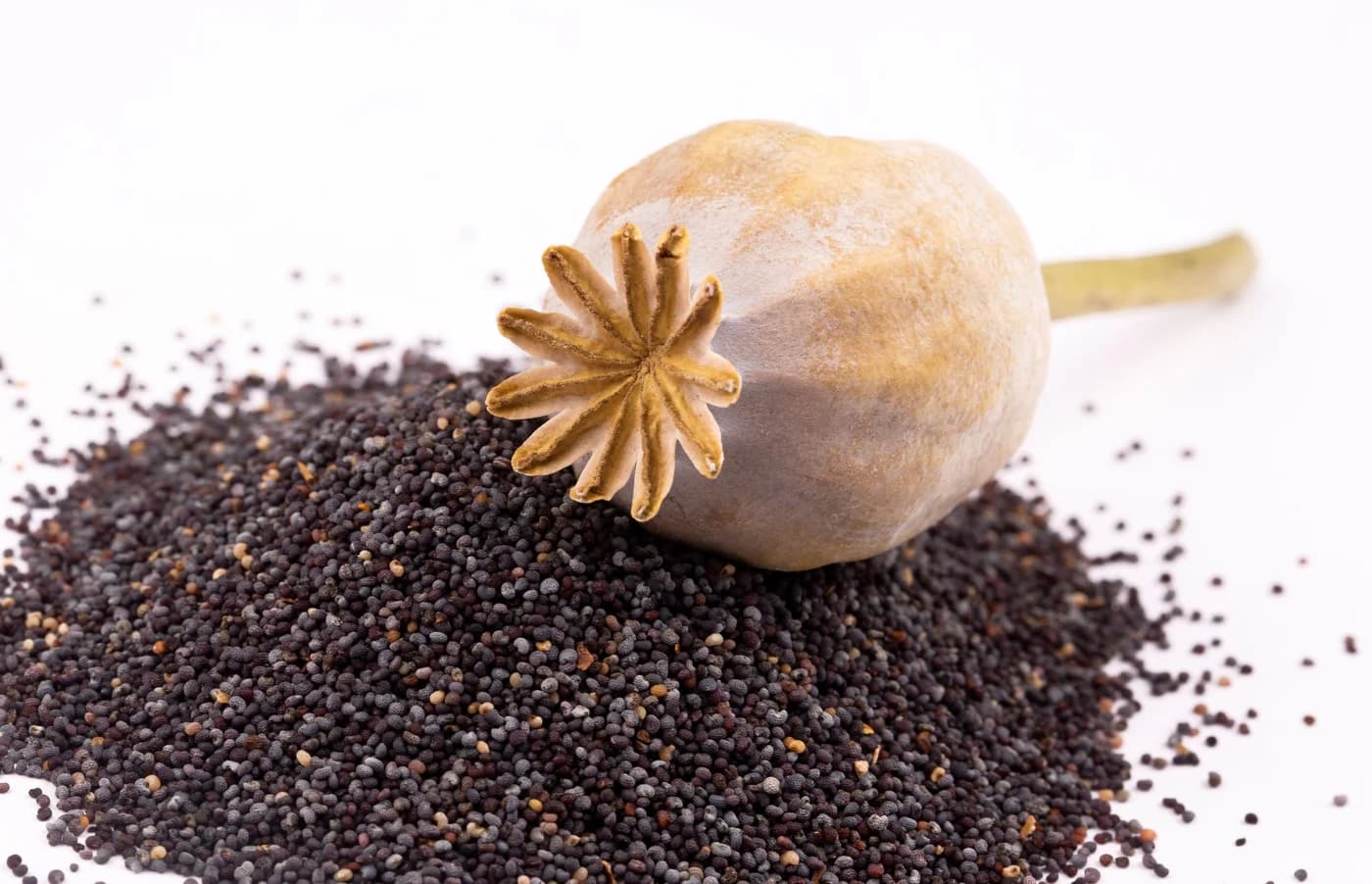
Poppy seeds, known in many Indian kitchens as khus khus, are tiny seeds from the opium poppy. Culinary poppy seeds provide fat, fibre, calcium and other minerals, but recipes use them in small amounts, so their main contribution is flavour and texture. This guide covers what they realistically offer, how to cook with them and why they can matter before a drug test.
What a small serving actually contributes
Poppy seeds contain fat, fibre and minerals such as calcium, but most recipes use a teaspoon or a small spoonful. Nutrient tables based on 100 grams can make the contribution look far larger than a normal serving. The benefits are mainly culinary: a nutty flavour, gentle crunch and another seed option. A small amount cannot be relied on to correct a calcium or iron deficiency.
A thick poppy-seed paste used in a curry or dessert supplies more fat, energy and minerals than a sprinkle on bread, and the sugar, ghee or cream in the recipe also counts. Measure once if you are unfamiliar with the ingredient, then use the amount needed for flavour.
Culinary poppy seeds are not an opioid medicine
The seeds come from the opium poppy, but food-grade seeds are not used like opioid medicines. Trace residues of opium alkaloids such as morphine and codeine can remain on the seed surface, depending on harvesting and processing. This explains why a poppy-seed food may occasionally affect a drug test, and also why culinary seeds should never be promoted for pain relief or sleep.
Cooking with poppy seeds
Flavour, texture and familiar recipes
- Use a teaspoon or so in breads, curries, chutneys or regional dishes where it belongs.
- Grind or soak the seeds to thicken a gravy and release flavour.
- Store whole or ground seeds airtight and away from heat, because their oils can turn rancid.
- Rotate with sesame, sunflower, pumpkin or flax seeds when suitable.
White, blue and black culinary seeds suit different regional dishes; colour alone does not show purity or strength. If grinding at home, clean and dry the grinder so moisture does not shorten storage life. For young children, offer seed-containing foods in an age-appropriate texture and consider any allergy history.
Buying and storage
Choose sealed, food-grade seeds from a reputable source and buy only a quantity you can finish while fresh, especially in warm weather. Avoid any product advertised for sedation, pain relief or an "opium effect". Check for mould, insects, moisture or a stale, paint-like smell, and refrigerate ground seeds if they will not be used soon.
Drug testing is a practical concern
Poppy-seed foods can occasionally produce a positive opiate screening result. Whether this happens depends on the seed, its processing, the quantity eaten, timing and the test threshold. Washing or baking may reduce some surface residue, but it cannot guarantee a result. Some sporting and military bodies advise people who are tested to avoid poppy-seed foods altogether.
Anyone subject to workplace, legal or sport testing should follow their organisation's guidance and may choose to avoid poppy seeds before a test. A positive result needs formal interpretation, not assumptions. Rules on poppy seeds also differ across countries, so travellers should check current restrictions before carrying seeds or foods across borders.
Why sleep and pain claims are unsafe
A normal culinary portion has not been shown to treat insomnia or chronic pain. Making a concentrated drink to extract more residue is not a natural extension of cooking; it creates a different and potentially dangerous exposure. Never prepare tea from unwashed poppy seeds or pods, because such brews can deliver unpredictable amounts of opioid compounds and have been linked to overdoses.
Persistent insomnia deserves attention to sleep timing, medicines, mental health, breathing problems and other causes. Ongoing pain also needs diagnosis and an appropriate treatment plan.
Safety considerations
Large amounts may cause digestive discomfort and add substantial energy. People with a seed allergy should be cautious. Pregnancy, breastfeeding, regular use of sedating medicines or an upcoming drug screen are reasons to seek specific advice. If any of these create uncertainty, skipping poppy seeds is simple and nutritionally safe, since no nutrient depends on them.
The bottom line
Poppy seeds offer modest, food-based benefits. They make a dish taste and feel distinctive, but they are not necessary for health and should never be used as a home sedative. Buy a trusted culinary product, use a recipe-sized amount, store it carefully and respect testing rules.
Editorial sources
Frequently Asked Questions
Related Articles
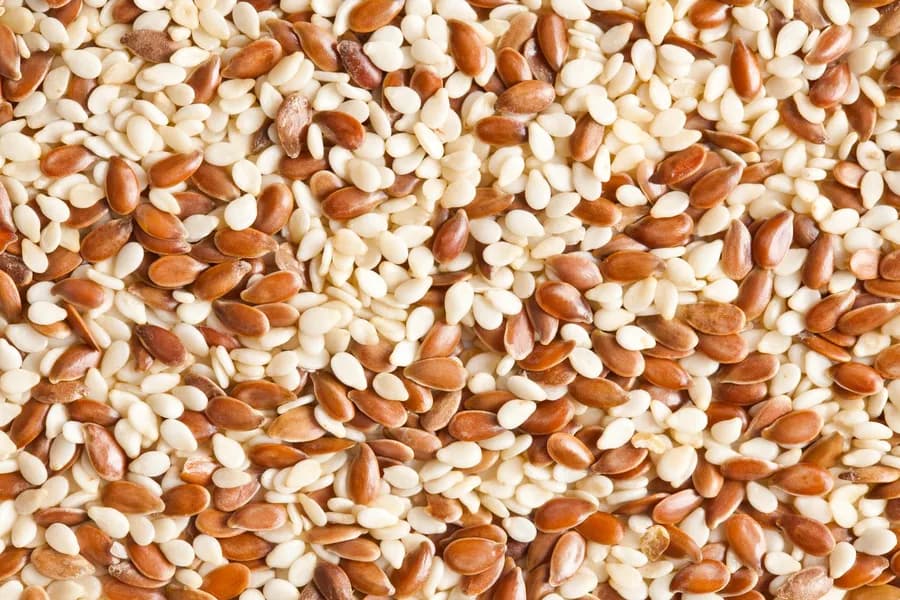
Seed mix recipe with til, alsi and sunflower seeds
A spoon of roasted sesame, flaxseed, and sunflower seeds sprinkled over curd or salad adds texture, minerals, and healthy fat. See the full recipe.

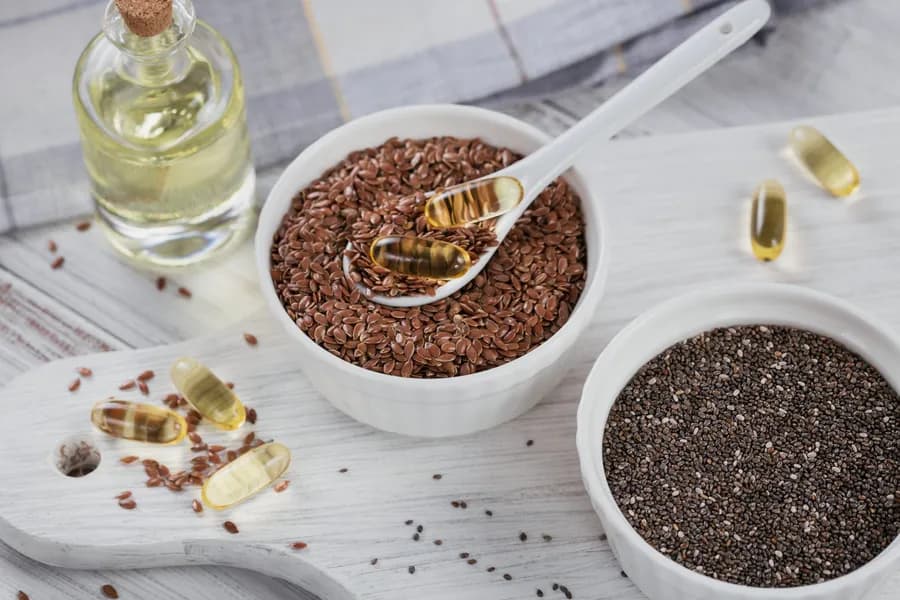
Chia Seed Versus Flaxseed: Which Superfood Seed Wins?
Chia and flaxseed are both strong nutritional choices, but they differ in one crucial way — how your body actually digests and absorbs them. See the full.

Home Remedies for Insomnia: Natural Ways to Sleep Better
Home remedies for insomnia work best for mild, occasional sleeplessness, not as a fix for long-standing insomnia. See the habits and natural remedies with real evidence behind them.