
Sweet Corn Calories: Nutrition and Balanced Portions
Sweet corn is a starchy vegetable, so portion, cooking and toppings decide its calories. Here is how to fit it into balanced meals.

Key Takeaways
- Sweet corn is a starchy vegetable, so count it as the carbohydrate part of a meal.
- Plain boiled or roasted corn is moderate in energy; butter, mayo and cheese raise it fast.
- Use a small cob or half to one cup of kernels as a reference, not "one corn".
- People with diabetes can often include a planned portion with protein and vegetables.
Sweet corn is a starchy vegetable: it supplies more carbohydrate and energy than leafy vegetables, while also providing fibre, folate, thiamin, carotenoids and some protein. That does not make it unhealthy. Portion, toppings and the rest of the meal decide whether corn is a light side, a satisfying carbohydrate or a calorie-dense snack.
How many calories are in sweet corn?
The answer depends on the edible weight, the cooking method and what is added afterwards. A small cob, or half to one cup of kernels, is a more useful reference than "one corn", because cob sizes vary widely. For exact figures, check a food composition database such as USDA FoodData Central, or the nutrition panel on a pack of frozen or canned corn.
Labels matter most for processed corn. Canned and frozen products can include added sugar, salt or sauces, and these change the total more than the corn itself.
Is corn a vegetable or a grain?
Botanically, corn is a cereal grain. Young sweet corn, however, is usually treated as a starchy vegetable in meal planning. The label matters less than recognising its carbohydrate. In practice, corn can replace part of the rice or roti in a meal rather than being added on top of a full grain portion.
What nutrients does sweet corn provide?
Sweet corn contributes fibre, folate, thiamin, magnesium and the carotenoids lutein and zeaxanthin. It also supplies some protein, but it is not a high-protein food on its own. Pair it with beans, chickpeas, tofu, paneer or curd for a more complete plate.
Can people with diabetes eat sweet corn?
Often, yes. Portion size, preparation, medication and the rest of the meal all influence the glucose response. Corn in a bean salad is very different from a large buttered cup eaten with a sweet drink. Glucose monitoring and a dietitian can help personalise the amount, rather than relying on a universal ban.
Boiled, roasted, frozen or canned?
Boiled and roasted corn
Both methods work well. Limit heavy charring when roasting, and measure any salt or butter rather than adding it freely.
Frozen and canned corn
Frozen plain kernels are nutritious and reduce waste, because you cook only the amount you need. Canned corn is convenient; drain and rinse it if the sodium content is high, and choose versions without added sugar or sauce.
Why toppings matter so much
Plain corn is moderate in energy, but mayonnaise, butter, cheese and fried crunchy toppings can easily dominate the dish. Lemon, chilli, coriander, cumin and a modest spoon of curd add flavour with far more control. Richer street-style versions can still be enjoyed occasionally; simply recognise them as a treat rather than "just corn".
Does sweet corn cause weight gain?
No single food causes weight gain in isolation; a repeated energy surplus does. Corn can be filling because of its water and fibre content, but large cups eaten mindlessly, or creamy preparations, add up quickly. When weight management is a goal, use corn as the planned starch in a meal rather than an extra.
How to turn corn into a balanced meal
Combine corn with rajma or chickpeas, chopped vegetables, lime and a curd or tahini dressing. You can also add it to a tofu or paneer stir-fry served with a smaller grain portion. The aim is a meal with protein, vegetables and a clear carbohydrate portion, without removing corn's natural sweetness.
Build a better corn cup
- Start with a measured portion of warm corn.
- Add cucumber, tomato, coriander and lime for volume and freshness.
- Stir in roasted chana for protein and extra fibre.
- Season with chilli and cumin.
- Choose either a small curd dressing or a little butter, rather than layering several rich toppings.
This version works as a snack or as one part of a light meal. The point is not to make street-style corn forbidden, but to understand which additions change the calories and how full you feel.
A simple one-week check
If you eat corn often, note the amount, preparation, toppings and how full you felt afterwards for a week, keeping other habits steady. This makes it easier to see whether corn is working as a satisfying starch or quietly adding extra energy. People managing diabetes or another medical condition should discuss portions with their doctor or dietitian.
Editorial sources
Frequently Asked Questions
Related Articles
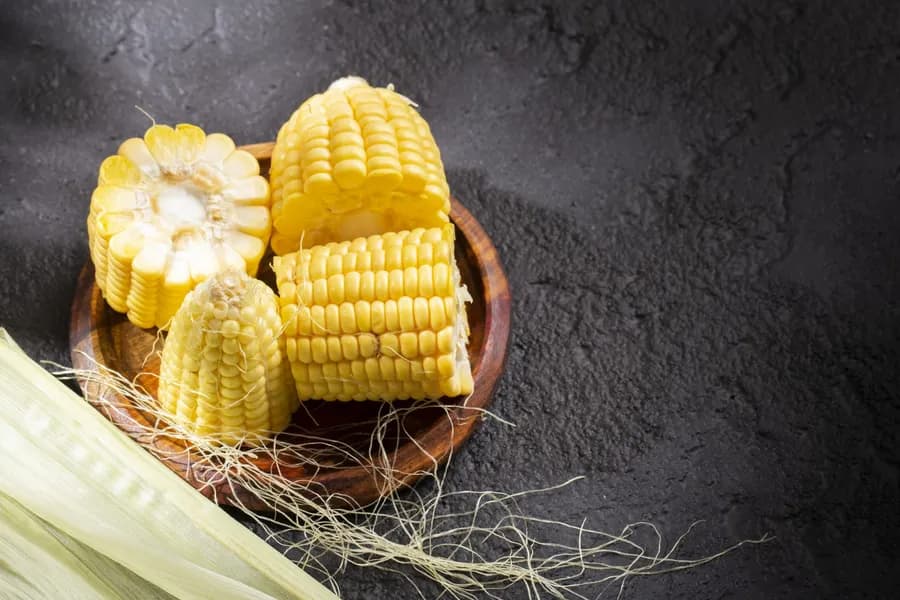
Sweet Corn Benefits: Nutrition, Fibre, Portions and Easy Meal Ideas
Sweet corn provides carbohydrate, fibre, folate and carotenoids, and can be eaten fresh, frozen or canned. See easy everyday meal ideas.

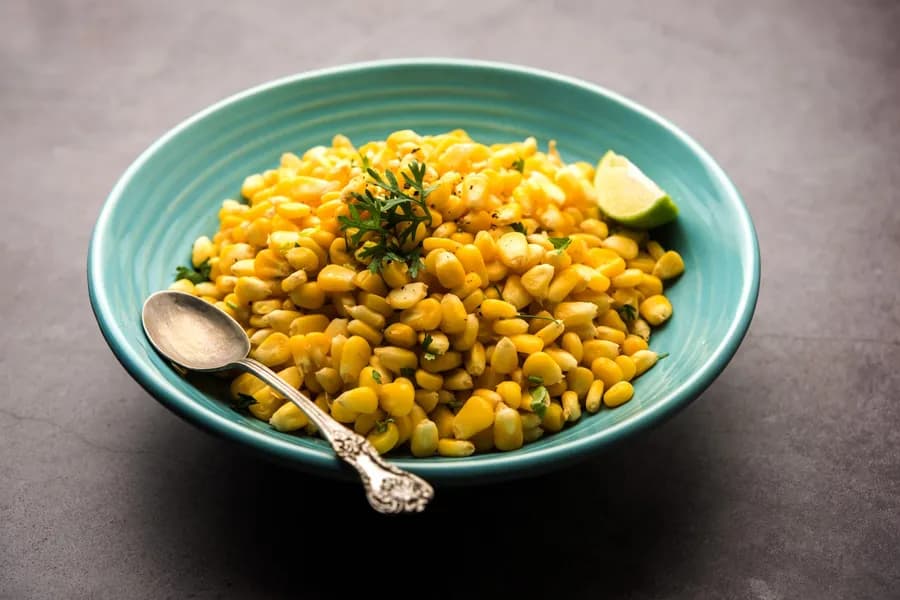
Sweet Corn Chaat: Steamed Healthy Snack Recipe
Steamed corn with lemon juice, chilli powder, and black salt makes a quick, light snack — no butter or mayonnaise needed. See the full recipe.

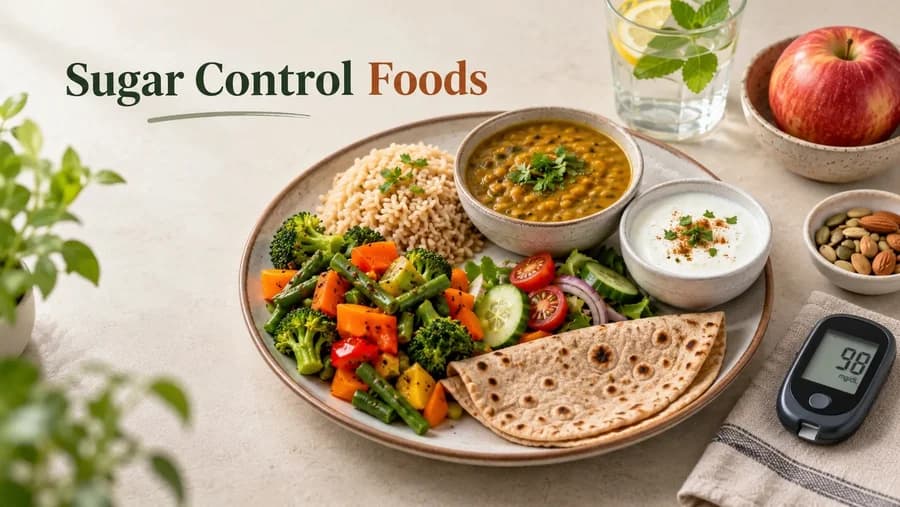
Sugar Control Foods: A Practical Indian Guide for Blood Glucose
No food instantly lowers blood glucose. Steadier readings come from the type and amount of carbohydrate, what you pair it with, and your overall routine.