
Tofu Benefits,: Protein, Calcium and Safe Use
A practical tofu guide: types, cooking tips, calcium-set versus other tofu, safe storage and who should avoid it because of soy allergy.
Key Takeaways
- Tofu is soy milk set with a coagulant; calcium-set tofu can be a useful calcium source.
- It provides complete plant protein but little vitamin B12 unless fortified.
- Firm tofu suits stir-fries and curries; silken tofu suits soups, dips and desserts.
- Avoid it with soy allergy, refrigerate opened packs and use leftovers promptly.
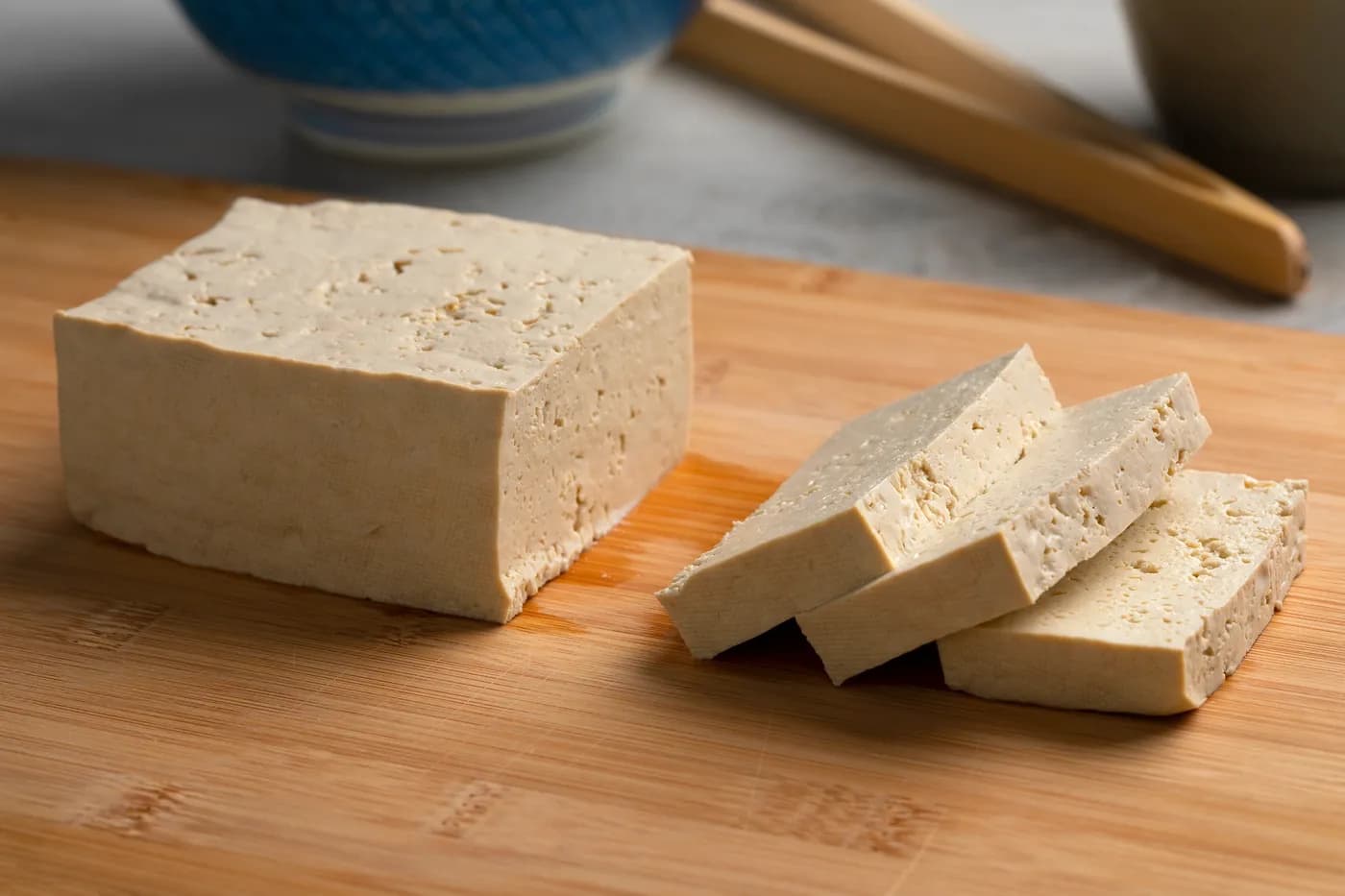
Tofu is made by coagulating soy milk and pressing the curds into blocks. It provides complete plant protein, and its calcium content depends on the coagulant used, so the label matters. This guide explains the types of tofu, how to cook and store it, and who needs to be careful with it.
How tofu is made and why the coagulant matters
Soy milk is set with a coagulant, and the curds are pressed to remove water. Calcium salts such as calcium sulphate, magnesium chloride (nigari) and other agents can all be used. Calcium-set tofu can contribute a substantial amount of calcium, while tofu made with another coagulant may contain much less. Check the ingredient list and nutrition panel instead of assuming every block is equivalent.
Tofu provides all the essential amino acids, so it can be the main protein in a vegetarian or vegan meal. Iron, fat and sodium vary by product. Its iron is non-haem iron; eating tofu with vitamin-C-rich vegetables such as tomatoes, capsicum or a squeeze of lemon can support absorption. Tofu contains very little vitamin B12 unless fortified, so vegan diets still need a reliable B12 source.
Types of tofu and their best uses
Firm, soft, silken and flavoured tofu
- Firm and extra-firm tofu hold their shape in stir-fries, curries, tikka and grilling.
- Soft tofu suits bhurji-style scrambles and gentle simmering in gravies.
- Silken tofu blends smoothly into soups, dips, dressings and desserts.
- Smoked, marinated and ready-to-eat tofu save time but are often higher in sodium.
Plain tofu is usually low in sodium, but packaged flavoured versions can be salty. Fortified soy milk and tofu are different products, so compare their labels separately.
Cooking tips for better flavour and texture
Pressing firm tofu under a weight removes water and helps it brown, but it does not remove hormones or "toxins". Dry the surface before cooking, use a well-seasoned marinade and leave space in the pan so pieces brown rather than steam. Crumbling tofu with onion, tomato and spices makes a quick bhurji, while baking or air-frying creates crisp edges without deep-frying.
A marinade based on soy sauce can add a lot of sodium. Lemon, ginger, garlic, herbs and toasted spices build flavour with less salt. Deep-fried tofu absorbs more oil, and a rich sauce can add sodium and sugar, so judge the finished dish rather than the tofu alone. Freezing and thawing firm tofu creates a spongier texture that soaks up sauce well; this is a culinary change rather than a nutritional one.
Pasteurised packaged tofu is ready to eat, but cooking often improves flavour and texture. Pair it with vegetables and a grain or roti for a complete, satisfying meal.
Storage and food safety
Keep tofu refrigerated and follow the pack date. Once opened, transfer leftovers to a clean covered container, cover with fresh water if the manufacturer advises, and use them promptly. Discard tofu with mould, slime, a swollen pack or a clearly sour smell. Do not leave cooked tofu dishes at room temperature for long periods. Planning one block across two meals, such as bhurji one day and a stir-fry the next, reduces waste.
Soy allergy and other cautions
Avoid tofu if you have a diagnosed soy allergy. Seek urgent help for breathing difficulty, swelling of the lips or throat, or faintness after eating. Children can eat age-appropriate tofu when soy is tolerated, but infant feeding needs separate guidance.
People taking levothyroxine may be advised to keep a consistent gap between their medicine and soy foods; follow your doctor's timing rather than cutting out soy without a reason. Adequate iodine intake also matters for thyroid health. Kidney disease can require an individual protein, potassium or phosphorus plan. If tofu is new to your diet, start with a normal portion; mild gas or fullness may settle, while hives or swelling suggest allergy.
Does tofu affect hormones?
Soy contains isoflavones, plant compounds that are similar in structure to oestrogen but are not the same as human oestrogen. Ordinary soy-food intake has not been shown to feminise men. High-dose isoflavone supplements are a separate product and should not be confused with tofu eaten as food.
How much tofu to eat
A palm-sized portion is a practical starting point, adjusted for appetite, body size and the rest of the meal. Someone using tofu as the main protein may need more than someone adding a few cubes to soup. Tofu does not need to appear daily, and it is not automatically better than dal, beans, tempeh, dairy or eggs. Its value is convenience and flexibility, especially in plant-based meals.
Editorial sources
Frequently Asked Questions
Related Articles
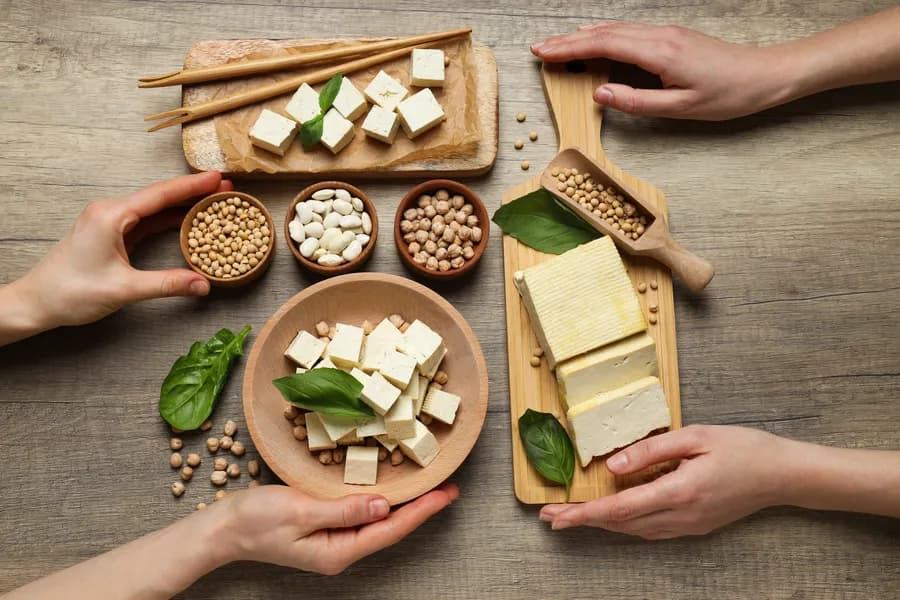
Tofu vs Paneer: Protein, Calcium, Fat and Best Uses
How tofu and paneer compare on protein, calcium, fat, tolerance and cooking, and why alternating them often works better than picking a winner.

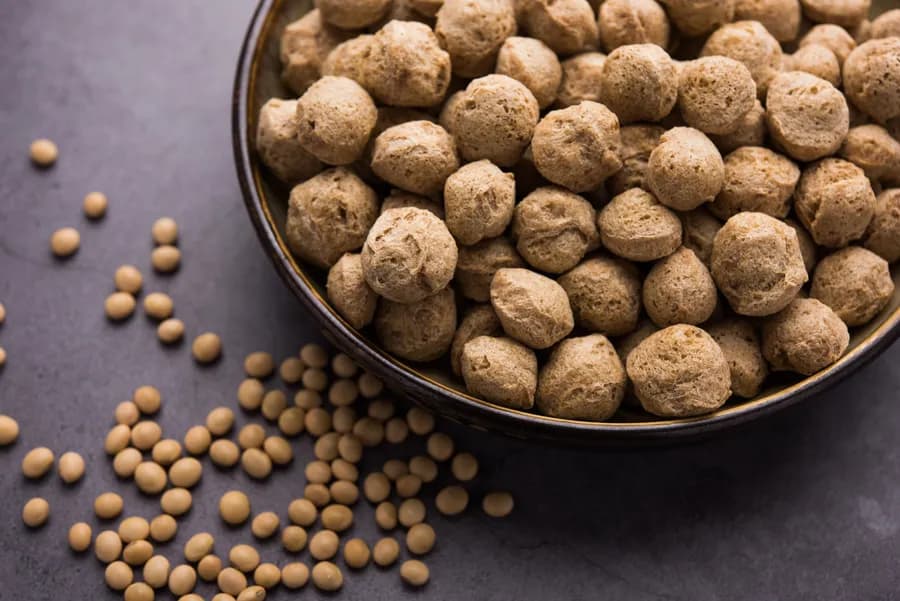
Soybean Nutrition: Protein, Uses and Safety
Soybeans provide high-quality plant protein, fibre, unsaturated fat, iron and other nutrients.


Complete protein for vegetarians: easy food pairs
Vegetarian meals can deliver complete protein too, once you know which everyday food pairs to combine. See the simple combinations that make it easy.