
Upset Stomach: Gentle Foods, Hydration and Warning Signs
Practical upset stomach remedies: hydration and ORS, gentle foods, fibre by symptom, medicine cautions and warning signs that need urgent care.
Key Takeaways
- Sip fluids often; dehydration is a bigger early risk than eating the perfect meal.
- Use an ORS packet, not just water, when diarrhoea or vomiting drains fluid and salts.
- Eat small, familiar foods like rice, khichdi or idli as appetite allows; fasting is unnecessary.
- Blood, severe pain, repeated vomiting, confusion or signs of dehydration need medical advice.
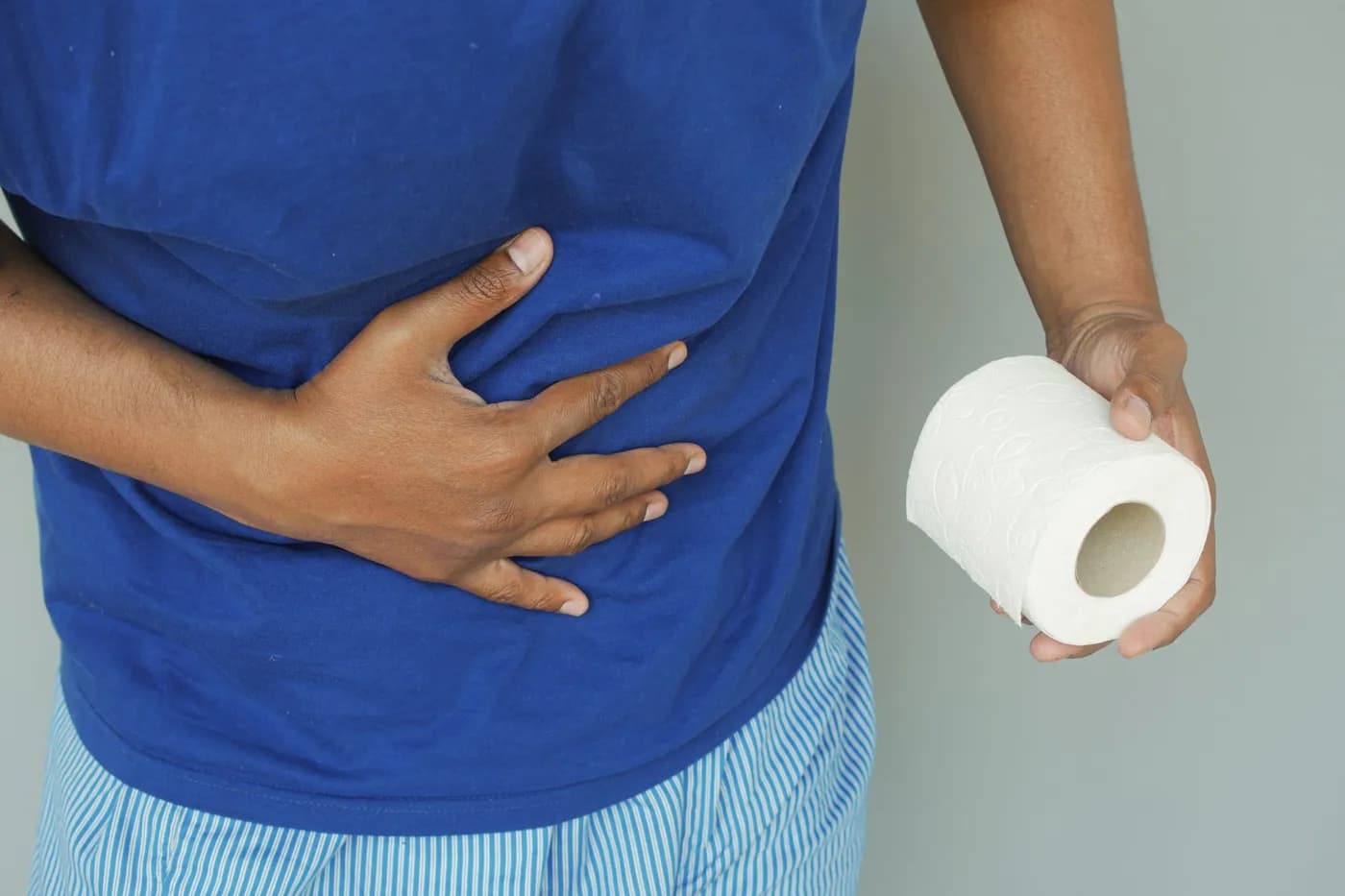
An "upset stomach" may mean nausea, cramps, loose stools, bloating, indigestion or a mixture of symptoms. Because those problems do not all have the same cause, the best upset stomach remedies depend on what you are experiencing and for how long. For a short, mild illness, comfort and hydration come first. Severe or persistent symptoms need more than a bland menu.
First, name the main problem
Nausea without diarrhoea may call for different choices from reflux, constipation or gastroenteritis. Notice stool changes, vomiting, fever, pain location, recent travel, new medicines and whether anyone else became ill. This short history helps separate a passing digestive disturbance from food poisoning, a medicine effect or a condition needing examination.
Hydration comes before a full plate
Take small, frequent sips if a full glass triggers nausea. Water, clear soups and an appropriately prepared oral rehydration solution (ORS) can help; ORS replaces sodium and glucose in proportions designed to improve absorption, so it is more suitable than plain water when diarrhoea or vomiting is draining fluid and salts. Very sugary drinks may worsen diarrhoea, and homemade mixtures can be inaccurate, so use a recognised ORS packet when available.
Eat when appetite returns
Most adults do not need to fast through a mild stomach illness. Begin with small portions of foods you tolerate, such as rice, khichdi, toast, banana, idli, potato or a thin dal. A strict banana-rice-applesauce-toast diet is nutritionally limited and has no special power; variety can return gradually as symptoms settle.
Adjust fibre to the symptom
During active diarrhoea, lower-fibre choices may feel easier for a day or two, while beans, bran and large raw salads can increase urgency. Constipation is different and may improve with gradual fibre, fluids and movement. Abruptly loading fibre into a painful, bloated stomach can backfire, so match the change to the problem.
Ginger, peppermint and other soothing options
Among simple home upset stomach remedies, ginger tea or a small amount of ginger in food may ease some types of nausea, but concentrated supplements are not necessary. Peppermint can help certain spasms yet may worsen reflux by relaxing the lower oesophageal sphincter. Choose based on your symptom pattern, and stop any remedy that clearly makes discomfort worse.
Foods and habits worth pausing
Large fatty meals, alcohol, excessive caffeine and very spicy foods commonly aggravate nausea, diarrhoea or indigestion. Sugar alcohols in some "sugar-free" products can loosen stools. Eat slowly and stay upright after meals if reflux is part of the picture; lying flat immediately can bring acid and food back upward.
Medicines need care too
Over-the-counter medicines are not automatically safe upset stomach remedies. Anti-diarrhoeal medicines are not right for every situation, particularly with blood in the stool, high fever or certain infections. Painkillers such as ibuprofen can irritate the stomach, while antibiotics can cause diarrhoea and should not be started without advice. A pharmacist can check age limits, pregnancy considerations and interactions.
Dehydration and urgent warning signs
A very dry mouth, minimal or dark urine, dizziness, unusual drowsiness, sunken eyes or inability to keep fluids down deserves attention. Babies, older adults and people with diabetes or kidney disease can deteriorate more quickly.
Seek urgent help for:
- severe dehydration, confusion or fainting
- vomiting that will not let fluids stay down, or blood or green material in vomit
- blood in the stool
- a rigid abdomen or intense, localised pain
Children and vulnerable adults
Young children cannot always describe nausea or dizziness, so watch behaviour, tears, urination and willingness to drink. Continue breastfeeding when appropriate and use paediatric advice for oral rehydration quantities; adult anti-diarrhoeal products may be unsafe. Older adults may feel less thirst and can be more affected by medicine changes or dehydration. People with diabetes need a sick-day plan, because vomiting can disrupt glucose and medication management. In these groups, calling early is sensible, and home food suggestions come only after fluid loss, alertness and worsening pain have been considered.
Prevent spreading an infection
If vomiting or diarrhoea may be infectious, wash hands thoroughly with soap and water, clean high-touch surfaces and avoid preparing food for others while ill. Keep raw produce separate from dirty utensils. Refrigerate leftovers promptly, and discard food that sat warm for too long rather than tasting it to judge safety.
Returning to normal
As fluid intake and appetite improve, expand meals instead of staying on plain starches for days. Add cooked vegetables, curd if tolerated, and gentle vegetarian proteins in modest amounts. Recovery is a time to resume regular meals, not to begin a detox. If symptoms keep coming back despite simple upset stomach remedies, keep notes and arrange a proper evaluation.
Editorial sources
Frequently Asked Questions
Related Articles

Acidity Home Remedies (Heartburn & GERD Relief Guide)
Acidity is a burning sensation in the chest or throat after eating, caused by stomach acid moving up the food pipe. See home remedies for instant relief.


How to Get Rid of Gas in Stomach: 7 Quick Methods That Actually Work
Stomach gas from food, stress, swallowed air, or sluggish digestion responds to movement, breath work, and dietary tweaks that address the root cause. See

Gut Health Diet: What to Eat for a Healthier Digestive System
A good gut health diet isn’t about one superfood — it’s consistent daily habits: enough fibre, a variety of plants, some fermented food, and enough.
