
How to Get Rid of Gas in Stomach: 7 Quick Methods That Actually Work
Stomach gas from food, stress, swallowed air, or sluggish digestion responds to movement, breath work, and dietary tweaks that address the root cause. See

Key Takeaways
- Aerophagia, air swallowed while eating fast or talking, causes most trapped-air bloating.
- Beans, lentils, cabbage, and carbonated drinks are named as specific gas-producing foods.
- An imbalanced gut microbiome ferments more food than it should, a common antibiotic-triggered cause.
- Warm water with lemon, 1-2 glasses, often shifts trapped gas within just 30 minutes.
- Most occasional gas resolves within 15-30 minutes using positional and movement-based methods.
- Food journals are recommended specifically for identifying intolerance-driven gas triggers.
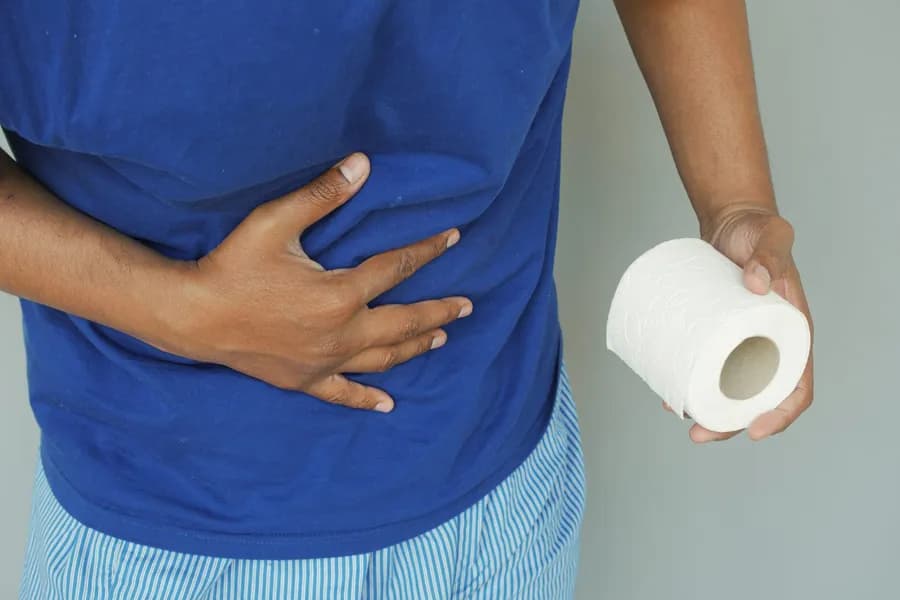
Stomach gas is uncomfortable, sometimes painful, and surprisingly common in adults of every age. Whether yours comes from food, stress, swallowed air, or sluggish digestion, the methods below address the root causes through movement, breath work, and dietary tweaks. This guide covers how to get rid of gas in stomach immediately, instantly, and naturally, plus the warning signs that mean you need a doctor instead of self-care.
Important Note: See a doctor if your stomach gas comes with severe pain, blood in stool, persistent vomiting, unexplained weight loss, or lasts longer than 2 weeks. The methods below are for occasional and mild chronic gas, not for diagnosed gastrointestinal conditions without medical clearance.
7 Causes of Gas in the Stomach
Swallowed Air During Eating
Eating too fast, talking while eating, and chewing gum all cause aerophagia (swallowed air). Trapped air in the stomach is the most common cause of bloating.
Gas-Producing Foods
Beans, lentils, broccoli, cabbage, dairy (for lactose-intolerant adults), and carbonated drinks all produce gas during digestion.
Slow Digestion
Sluggish digestive transit lets food ferment in the gut, producing gas. Sedentary lifestyles and low-fibre diets both slow transit.
Stress and Nervous System Tension
The gut-brain axis means chronic stress directly disrupts digestion, often producing gas and bloating as the first symptom.
Imbalanced Gut Bacteria
An imbalanced microbiome ferments more food than it should, producing excess gas. Antibiotic use is a common trigger.
Trapped Gas from Constipation
When stool moves slowly, gas builds up behind it. Resolving constipation often resolves the gas issue at the same time.
Food Intolerance
Lactose intolerance, gluten sensitivity, and FODMAP sensitivity all produce gas as a primary symptom. Food journals reveal the trigger.
How to Get Started Relieving Stomach Gas
What You Need to Begin
Nothing physical. Most gas relief starts with positional changes, breath work, and gentle movement that need no equipment.
Setting Realistic Goals
Most occasional gas resolves within 15 to 30 minutes of using the methods below. Chronic gas takes 2 to 4 weeks of dietary and movement changes.
Start with the Basics
Walking, gentle yoga poses, and warm water are the foundation. The full digestive-health framework also fits within yoga for digestion, which sequences poses for daily digestive health.
Best Practices to Get Rid of Stomach Gas
Pawanmuktasana (Wind-Relieving Pose)
Lie on your back. Pull both knees to your chest, hugging them close. Hold 60 seconds. The single most direct gas-relieving yoga pose. Often produces results within minutes.
Walk for 15 to 20 Minutes
Movement stimulates bowel motility and shifts trapped gas. The most reliable method for how to get rid of gas in stomach instantly.
Drink Warm Water with Lemon
The warmth and acidity stimulate digestion. 1 to 2 glasses often shifts trapped gas within 30 minutes.
Cat-Cow Stretch
10 cycles slowly. The gentle spinal mobility moves gas through the digestive tract.
Child’s Pose with Belly Pressure
Sit back on your heels and fold forward, letting your belly press into your thighs. Hold 60 seconds. The pressure helps release trapped gas.
Avoid Carbonated Drinks and Gum
Both add air directly to the stomach. Eliminating them often resolves chronic gas issues within days.
Eat Slowly, Chew Thoroughly
Slowing meals to 20 minutes minimum reduces swallowed air and improves digestion. The single highest-impact dietary change. Specific hand gestures also support digestion, as detailed in mudra for gas, where traditional yogic techniques apply pressure to the digestive meridians.
Common Mistakes to Avoid
- Lying Flat When Gas Strikes — Lying flat traps gas in the stomach. Sitting upright or gently moving releases it more effectively.
- Drinking Carbonated Water for Relief — Carbonated water adds more gas to the system. Plain warm water is the better choice.
- Holding the Urge — Holding back gas creates more discomfort. Find privacy and release naturally. The body’s signals are accurate.
- Ignoring Persistent Gas — Gas that lasts longer than 2 weeks or comes with pain warrants a doctor visit. Underlying conditions are sometimes the cause.
Who Should Try These Gas-Relief Methods?
- Adults with Occasional Gas — The largest group. Most gas episodes respond within 30 minutes to walking and pawanmuktasana.
- Working Professionals — Sitting all day plus quick eating creates gas. The fix is a 5-minute walk after lunch and slower meals.
- Pregnant Women — How to get rid of gas in stomach during pregnancy: gentle walking, sitting upright, and pregnancy-safe yoga poses only. Always consult an obstetrician before starting any new routine.
- Older Adults — Slower digestive transit makes gas more common with age. Daily walking and adequate hydration address most cases.
Build Strength with a Routine That Actually Works
Resolving stomach gas is not about doing one thing. It is about consistency, the right combination of movement, breath, and dietary changes, and following a structured plan. With the right support, you can build the habits that improve digestion across weeks. Habuild’s structured progression takes the same approach you will find in our broader work on strength training, where movement and breath work are sequenced for daily wellbeing.
What you get with Habuild’s Strong Everyday Programme:
- Daily live guided strength and yoga sessions
- Beginner to advanced progression
- No-equipment and home-friendly workouts
- Expert guidance to ensure correct form
- Community support to stay consistent
There’s a reason pavanamuktasana translates to “wind-relieving pose”: yoga has practical answers for exactly this problem, using gentle compression from knee-to-chest poses and twists to move trapped gas along the digestive tract. Slower, diaphragmatic breathing practiced throughout a session also reduces the swallowed air and digestive tension that often makes gas worse. Habuild’s free yoga challenge is a simple way to build that relief into your routine.
Frequently Asked Questions
Related Articles
How to Relieve Constipation: 7 Natural Methods That Actually Work
Diet, hydration, movement, and specific yoga poses address the root causes of both occasional and chronic constipation. See 7 natural methods that


How to Digest Food Fast: 7 Natural Methods That Work
Slow digestion produces bloating, fatigue, and discomfort — movement, position, and dietary tweaks speed up digestive transit. See 7 natural methods that

Kunjal Kriya (Stomach Cleansing with Saline Water): Steps, Benefits & Precautions
Drinking warm saline water and gently expelling it cleanses the upper digestive tract, named after the elephant’s habit of cleansing its trunk with water. See the steps, benefits, and precautions.
