
Vitamin B6 Benefits: Food Sources, Daily Needs and Supplement Safety
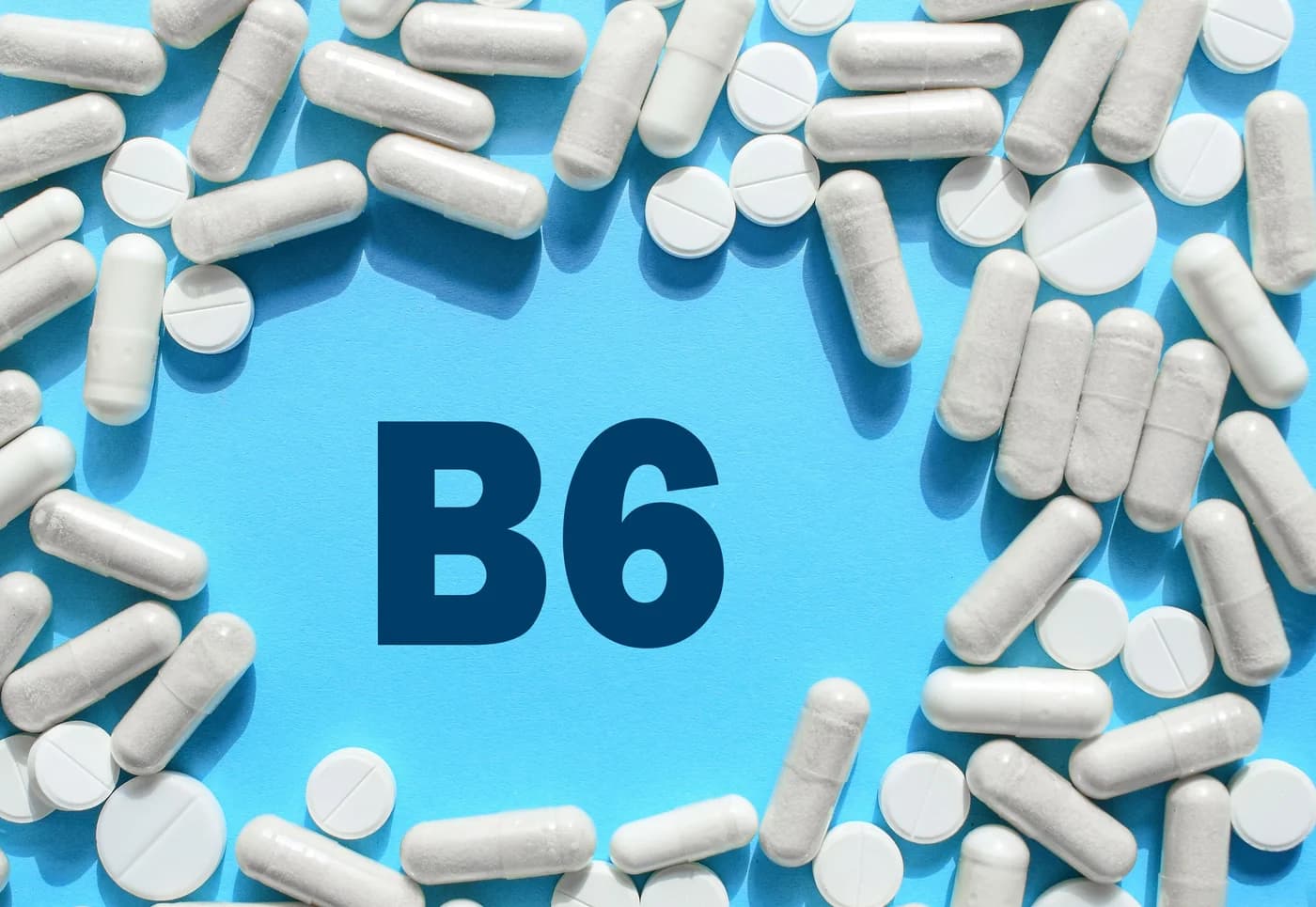
Vitamin B6 supports protein use, blood and nerves. Most people get enough from food, and long-term high-dose supplements can harm nerves.
Key Takeaways
- Adults need about 1.3-1.7 mg of vitamin B6 a day, per NIH reference intakes.
- Chickpeas, potatoes, bananas, pulses and fortified cereals are easy B6 sources.
- Deficiency is uncommon; kidney disease, malabsorption and some drugs raise risk.
- The NHS warns 200 mg or more a day can cause loss of feeling in arms and legs.
- Total the B6 in every supplement you take; several products can stack up.
Vitamin B6 helps the body use protein, make haemoglobin and keep nerves working normally. Most people get enough from ordinary meals. Extra tablets do not boost energy or mood when intake is already adequate, and long-term high doses from supplements can damage nerves. Understanding vitamin B6 benefits therefore includes knowing when more is unnecessary.
What vitamin B6 does in the body
Vitamin B6 is a group of related compounds, including pyridoxine, pyridoxal and pyridoxamine. MedlinePlus lists its main jobs:
- Breaking down protein; the more protein you eat, the more B6 you use
- Making haemoglobin, which carries oxygen in red blood cells
- Supporting normal nerve function
- Making antibodies that help fight infection
- Helping keep blood glucose in the normal range
These roles explain why a deficiency can affect blood, skin, mood and immunity. They do not mean extra B6 improves health when you already get enough. For how B6 fits with the other B vitamins, see our guide to vitamin B complex benefits.
How much you need
NIH recommended intakes for adults are:
- 19 to 50 years: 1.3 mg a day
- Men over 50: 1.7 mg a day
- Women over 50: 1.5 mg a day
- Pregnancy: 1.9 mg a day; breastfeeding: 2.0 mg a day
The NHS uses similar figures of about 1.4 mg for men and 1.2 mg for women. Either way, the daily need is small, and many supplements contain far more.
Food sources that fit Indian meals
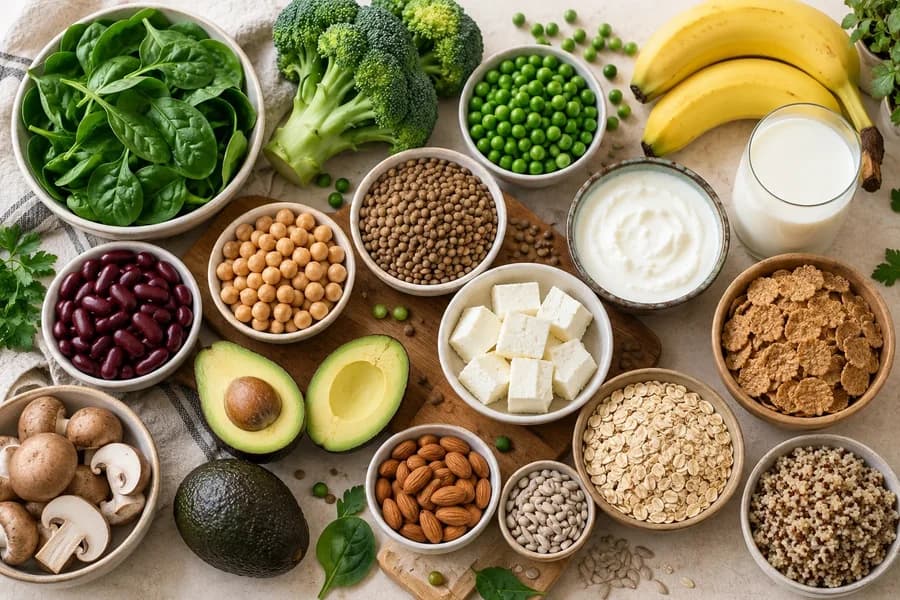
B6 is spread across many foods, so a varied diet usually covers it:

- Chickpeas: NIH data list about 1.1 mg in one cup of canned chickpeas
- Potatoes and other starchy vegetables
- Bananas
- Other pulses, nuts and whole grains
- Fortified breakfast cereals (amounts vary, so check the label)
- Milk, eggs, fish and poultry, if you eat them
Easy ideas include a chana salad with vegetables, aloo-matar with dal and roti, or a banana with curd. Our guide to chickpeas benefits has more ways to use chana.
Who may run low
Isolated B6 deficiency is uncommon. According to the NIH, risk is higher with:
- Kidney disease, including end-stage kidney disease
- Malabsorption conditions such as coeliac disease, Crohn's disease and ulcerative colitis
- Alcohol dependence
- Some medicines, such as certain anti-epileptic drugs
Possible signs
Low B6 is linked with a type of anaemia, cracks at the corners of the mouth, a swollen tongue, a scaly skin rash, depression, confusion and weaker immunity. None of these is specific to B6, and mild deficiency may cause no symptoms for months. Tiredness alone is not a reason to start a high-dose tablet.
Supplement safety: when more becomes harmful
High doses of B6 from supplements can cause peripheral neuropathy: numbness, tingling or burning in the hands and feet and trouble with balance. B6 from food has not been reported to cause harm.
- The NHS says taking 200 mg or more a day can lead to loss of feeling in the arms and legs, and that the safety of 10 to 200 mg a day is unclear.
- In the US, the tolerable upper intake level for adults is 100 mg a day.
- Limits differ between countries, so an amount printed on a label is not a personal target.
Add up every product
B6 appears in B-complex tablets, multivitamins, magnesium blends and some sleep or energy products. Write down the B6 (often listed as pyridoxine) per daily serving in each one and add them together. A pharmacist can check the list. Our guide to vitamin B complex supplements explains how to read these labels.
Nerve warning signs
If you notice tingling, numbness, burning or unsteady balance while taking supplements, stop any unnecessary B6 product and see a doctor. Take the packets with you so the total dose can be checked. Many other conditions cause similar symptoms, so they need assessment rather than another B-complex tablet.
When treatment is needed
If a clinician confirms deficiency, treatment may include a B6 supplement at a set dose plus attention to the cause, such as a medicine or gut condition. Follow the prescribed amount and duration, then return to a varied diet rather than continuing a high dose indefinitely.
Editorial sources
Frequently Asked Questions
Related Articles

Vitamin B Complex Benefits: What Each of the 8 B Vitamins Does
‘B complex’ isn’t one nutrient — it’s a group of eight separate vitamins that work together on energy, brain function, and skin health. See what each of.

Vitamin B Rich Foods: Sources, Functions and Deficiency Risks
The B-vitamin family includes thiamin, riboflavin, niacin, pantothenic acid, vitamin B6, biotin, folate and vitamin B12.


Vitamin B Complex Supplements: Doses, Labels and Safety
Before you take a B complex tablet: who actually needs one, how to read the doses on the label, and when high B6, niacin or biotin cause harm.
Multivitamin Benefits: What They Can (and Can’t) Do for You
Multivitamins can help close small nutrient gaps left by an inconsistent diet — but they can’t replace the fibre, protein, and plant compounds in whole.

Chickpeas Benefits: Nutrition, Cooking and Indian Meal Ideas
Kabuli chana is an affordable, filling pulse that adds protein, fibre and minerals to familiar Indian meals, from chole to sundal.