
Vitamin D: Sources, Deficiency and Safe Supplement Use
A simple guide to vitamin D sources, sunlight exposure, deficiency testing, supplement safety and practical daily habits to try.

Key Takeaways
- Vitamin D helps the body absorb calcium and supports bones and muscles.
- Few foods naturally contain much it.
- A blood test may be needed when deficiency is suspected.
- High-dose supplements should be used only with medical guidance.
Vitamin D is often called the sunshine vitamin. It helps the body use calcium and supports bones, muscles and normal immune function. Getting enough matters, but more is not always better.
Why vitamin D matters
Vitamin D helps the intestine absorb calcium. Without enough, bones can become weak or soft. It also plays roles in muscle movement, nerve signalling and immune function. (1)
Low it may not cause clear symptoms. Some people notice bone pain, muscle weakness or tiredness, but these signs can have many causes. A clinician can decide whether a blood test is useful.
Where vitamin D comes from
The body can make vitamin D when bare skin is exposed to sunlight. Food sources include egg yolk and some mushrooms exposed to ultraviolet light. Fortified milk, plant drinks, cereals or oils may also contain it, depending on the brand.
Check the nutrition label because fortification is not the same in every product. Vegetarian diets can provide it, but the list of natural food sources is short. (1)
Sunlight and vitamin D
The amount made in skin changes with season, time of day, cloud cover, pollution, skin tone, age, clothing and sunscreen use. There is no single exposure time that works safely for everyone.
Long or intense sun exposure raises the risk of skin damage. Do not use sunburn as a vitamin D strategy. Public guidance may recommend supplements during seasons or for groups with limited sun exposure, but local medical advice matters. (2)
Who may be at higher risk?
Risk can be higher for people who spend little time outdoors, cover most of their skin, have darker skin, are older, have conditions that reduce fat absorption, or have had some types of bariatric surgery. Breastfed infants also need specific guidance.
If you’re also curious about Calcium Deficiency & Calcium Rich Food to Eat or Magnesium Rich Foods, both are worth a read.
Having a risk factor does not prove deficiency. Testing decisions should consider symptoms, health history and local practice.
Testing and supplements
A 25-hydroxyvitamin D blood test is commonly used to assess it status. Results should be interpreted by a health professional because cut-offs and treatment plans can differ.
Supplements can correct deficiency, but the dose and duration should match the person. Very high intake can raise blood calcium and harm the kidneys or heart. (1)
Tell your clinician about medicines and other supplements. Vitamin D can interact with some treatments, and taking several products can accidentally double the dose.
Simple habits that help
Check whether a regular milk or plant drink is fortified.
Include calcium-rich foods alongside it habits.
Spend time outdoors safely without aiming for a tan or burn.
Take a prescribed supplement at the same time each day.
Keep the bottle away from children and avoid sharing doses.
Vitamin D and calcium work together for bone health, while weight-bearing movement also helps keep bones strong. (3)
Relevant Habuild interlink
Build a safe, regular movement routine with Habuild’s Yoga Everyday programme. (4)
Frequently Asked Questions
Related Articles
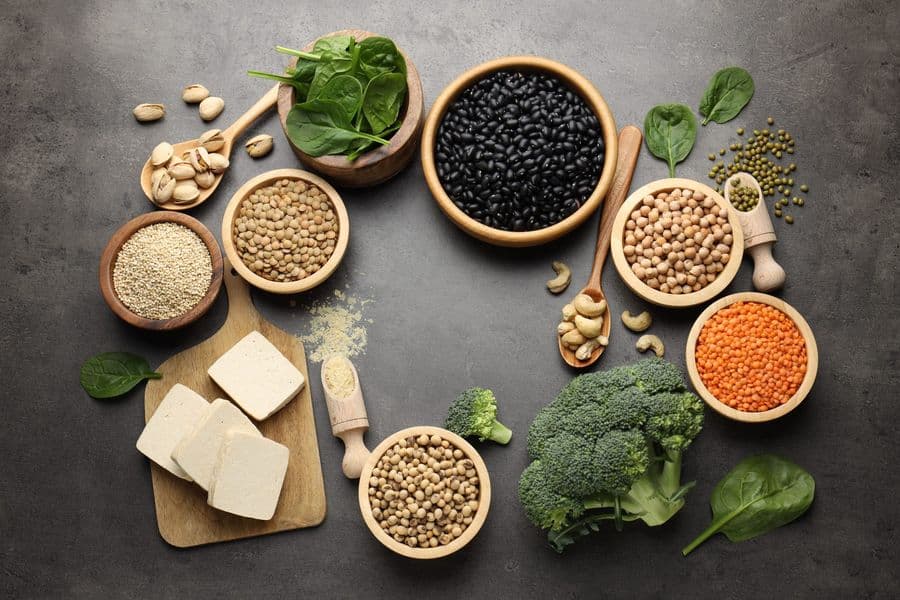
How to Get Enough Protein on a Vegetarian Diet
Learn how protein rich vegetarian foods support energy, strength and fullness. Use the perfect plate habit with greens, grains and protein.


Healthy fats: why your body needs fat
Healthy fats help your body absorb vitamins and support brain, hormones, joints, cells and daily meals. Learn simple vegetarian sources and habits.
