
Vitamin Deficiency: Signs, Food Gaps and What Helps
Identify useful next steps for suspected vitamin gaps without unnecessary supplements or tests.

Key Takeaways
- Symptoms like tiredness do not identify which vitamin is low.
- B12 needs planning in vegetarian diets.
- Vitamin D depends on sunlight as well as food.
- Tests should answer a clear question; more vitamins add no energy.
Feeling tired does not tell you which vitamin you need. Neither do brittle nails, hair fall or an online quiz. A vitamin deficiency means the body has too little of a particular vitamin to function normally, but the reason and treatment differ. The useful approach is to connect your symptoms, food pattern and any relevant tests, then correct the actual gap rather than collect bottles of supplements.
Why a deficiency can develop
Sometimes the diet does not provide enough. A very limited eating pattern, persistent poor appetite or avoiding several food groups can make a gap more likely. Needs also change during stages such as pregnancy.
In other cases, food intake is only part of the picture. Conditions affecting digestion and absorption, certain medicines and previous gastrointestinal surgery can influence vitamin status. Someone may eat well and still need treatment.
This is why “eat more vegetables” is not a complete answer to every deficiency. It is also why a supplement that helped a friend may not address your problem. Start with the likely cause as well as the missing nutrient.
Symptoms overlap more than you might expect
Fatigue, weakness and poor concentration can occur with some deficiencies, but also with poor sleep, thyroid problems, infections and many other conditions. Iron deficiency can cause similar concerns, although iron is a mineral rather than a vitamin.
Some symptoms deserve particular attention. New tingling, numbness or balance problems can occur with vitamin B12 deficiency and should not simply be attributed to stress. Bone pain or muscle weakness may have several causes, including vitamin D problems.
Symptoms alone cannot confirm a diagnosis. Persistent symptoms are a reason for a focused assessment, not proof that you need every vitamin tested. Severe breathlessness, fainting or rapidly developing neurological symptoms need prompt care.
Vitamin B12 matters in vegetarian diets
Reliable natural sources of B12 are mainly animal-derived foods. Milk and curd contribute for people who use them, while vegans need dependable fortified foods or supplementation. Ordinary unfortified plant foods are not a reliable substitute.
Do not rely on spirulina, fermented foods or a claim that an unwashed vegetable supplies enough B12. A planned source is more useful than a food myth.
If B12 deficiency is diagnosed, the treatment may involve an appropriate oral supplement or injections, depending on the situation. Adding a little curd is not always sufficient to treat an established deficiency, particularly when absorption is impaired.
Vitamin D is not just a food question
Vitamin D helps the body use calcium and supports bone health. Sun exposure contributes to production in the skin, but its effect varies with season, skin coverage, skin tone and other factors. There is no one reliable number of sunlight minutes for everybody.
Dietary sources are limited, and fortified foods can contribute where available. A glass of milk should not automatically be assumed to contain substantial vitamin D unless it is fortified.
High-dose vitamin D courses are treatments, not ordinary wellness drinks. Do not repeat a previous weekly dose indefinitely or combine several products containing vitamin D without a clear plan. Too much can be harmful.
Folate and pregnancy need separate planning
Pulses, leafy vegetables and some fortified foods contribute folate. Folic acid is the form used in supplements and fortification, and it has a specific role around conception and early pregnancy.
If you are planning a pregnancy, follow appropriate antenatal advice about folic acid rather than waiting for deficiency symptoms. Food remains important, but it does not replace recommended supplementation at this stage.
Avoid using high-dose folic acid to self-treat unexplained anaemia. It can improve some blood changes while an underlying B12 problem remains unaddressed. Different deficiencies can look similar while needing different treatment.
Improve meals without building a vitamin chart
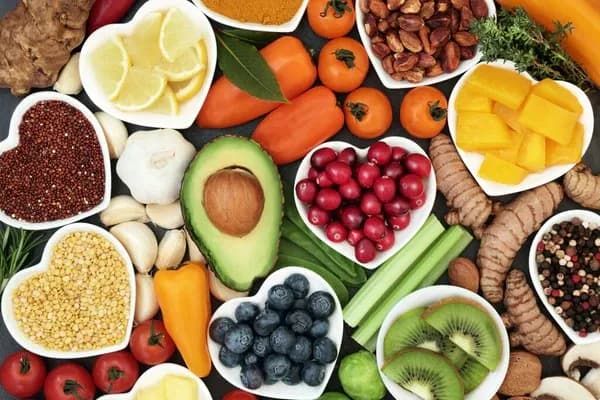
A varied eating pattern reduces the chance that the same foods are repeatedly missing. Think about what your usual day actually contains, rather than whether one meal looks colourful.
For example, add a vegetable side and dal to a lunch that is mostly rice. Include fruit you enjoy instead of relying mainly on juice. Use curd or another suitable protein food with a small breakfast that otherwise consists only of tea and toast.
Rotate the vegetables and pulses you buy. Palak one week, beans or carrots another, and different dals across the week can create variety without a complicated menu. Frozen vegetables are useful when fresh produce would otherwise go unused.
These choices support general nutrition, but they do not promise to correct every diagnosed deficiency on their own.
Tests should answer a question
A useful assessment considers symptoms, dietary exclusions, medicines and medical history. Depending on those details, a clinician may select blood tests such as B12 or vitamin D rather than ordering a broad panel automatically.
An isolated result needs interpretation in context. More tests are not always more informative, and repeating them very frequently may not show a meaningful change.
If treatment is started, know what improvement is expected and when it should be reviewed. This makes follow-up purposeful. Ongoing symptoms despite correction may indicate another cause rather than a need to keep escalating the supplement.
More vitamins do not mean more energy
Vitamins help normal body processes, but extra amounts do not automatically provide an energy boost when you already have enough. Some supplements can also cause harm at high doses or interfere with other treatment.
Check for overlap if you already take a multivitamin, hair supplement and separate nutrient tablets. The issue is the combined amount, not whether each bottle looks modest on its own.
The most helpful plan has a clear purpose: treat a confirmed problem, prevent a predictable gap or support a particular life stage. Once that purpose is met, review what you still need. Good nutrition should make food and treatment easier to manage, not leave you taking an ever-growing list of products.
Editorial sources
Frequently Asked Questions
Related Articles
Vitamin D: Sources, Deficiency and Safe Supplement Use
A simple guide to vitamin D sources, sunlight exposure, deficiency testing, supplement safety and practical daily habits to try.
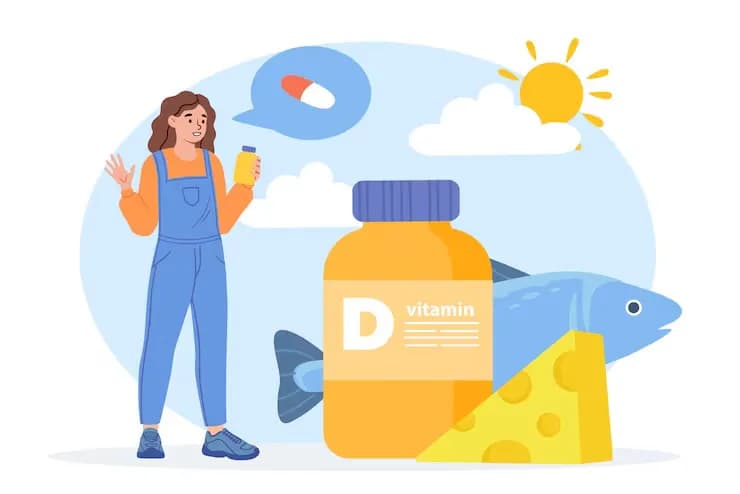
Vitamin D Deficiency Symptoms: 14 Signs to Watch For
Vitamin D deficiency symptoms are often subtle — fatigue, bone pain, low mood — and surprisingly common in India despite abundant sunlight. See the 14.

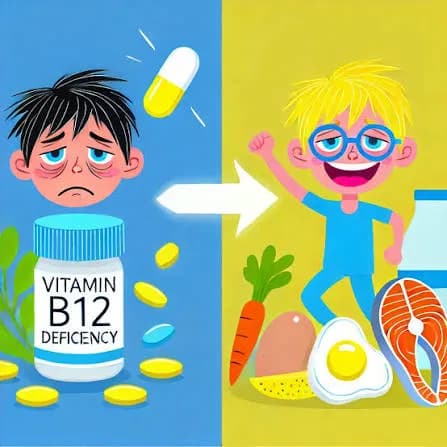
Vitamin B12 Deficiency: Causes, Symptoms, and Who’s at Risk
Vitamin B12 deficiency builds up slowly and is especially common in India due to widespread vegetarian eating patterns. See the causes, symptoms, and.

Vitamin D3 Deficiency: What Makes D3 Different
Vitamin D3 deficiency refers specifically to low cholecalciferol — the form your skin makes from sunlight. See what makes D3 different from D2, and why.