
Vitamin E-Rich Foods: Sources, Needs and Supplement Safety
Vitamin E is a fat-soluble antioxidant nutrient. Nuts, seeds, vegetable oils and some leafy vegetables are useful food sources.
Key Takeaways
- Vitamin E is a fat-soluble antioxidant nutrient.
- Deficiency is uncommon in healthy people but can occur with fat-malabsorption disorders.
- Sunflower seeds, almonds, peanuts, plant oils and leafy greens are useful vitamin E sources.
- High-dose supplements can raise bleeding risk and interact with blood-thinning medicines.
Vitamin E is a fat-soluble antioxidant nutrient. Nuts, seeds, vegetable oils and some leafy vegetables are useful food sources. This guide looks at vitamin E rich foods, how much attention the nutrient really needs, and why supplements call for more caution than food.
What vitamin E does in the body
Vitamin E is the name for a group of related compounds, of which alpha-tocopherol is the form the body maintains in blood and tissues. Its main job is to protect the fats in cell membranes from oxidative damage. It also plays a part in immune function and in keeping blood vessels and nerves healthy.
Deficiency is uncommon in healthy people but can occur with fat-malabsorption disorders. High-dose supplements have not been shown to prevent most chronic diseases and can cause harm. For most people, then, the useful question is not how to take more vitamin E, but how to eat a varied diet that supplies enough of it.
What the evidence does and does not show
Observational studies once suggested that people with higher vitamin E intakes had lower rates of heart disease. When large trials tested vitamin E capsules directly, however, they did not consistently find protection against heart disease, cancer or cognitive decline. This gap is a common pattern: people who eat more nuts, seeds and vegetables often differ in many other ways, and a single isolated nutrient may not reproduce the benefit of a whole diet.
The clearest evidence supports correcting a genuine deficiency. Beyond that, food sources are valued because they bring vitamin E together with fibre, protein, healthy fats and other micronutrients, not because vitamin E alone works as a treatment.
Simple ways to include vitamin E rich foods
- Add sunflower seeds or almonds to meals.
- Use measured amounts of suitable vegetable oils.
- Include varied nuts, seeds and greens.
- Ask before using a high-dose supplement.
In a typical Indian kitchen this can be straightforward: a few soaked almonds in the morning, roasted peanuts in poha or chivda, sunflower or pumpkin seeds sprinkled over a salad or raita, and palak or methi cooked with a little oil. These habits add up across the week without any special shopping.
Possible drawbacks and warning signs
Large supplemental doses can increase bleeding risk and interact with anticoagulants. Food sources are generally safer, although nut and seed allergy still matters.
It is very difficult to take in too much vitamin E from ordinary meals. The concern is concentrated products: high-strength capsules, combined skin and hair supplements, and multivitamins taken together. Anyone on blood-thinning medicine, preparing for surgery or receiving cancer treatment should check with their doctor before taking any vitamin E supplement.
Getting vitamin E from food
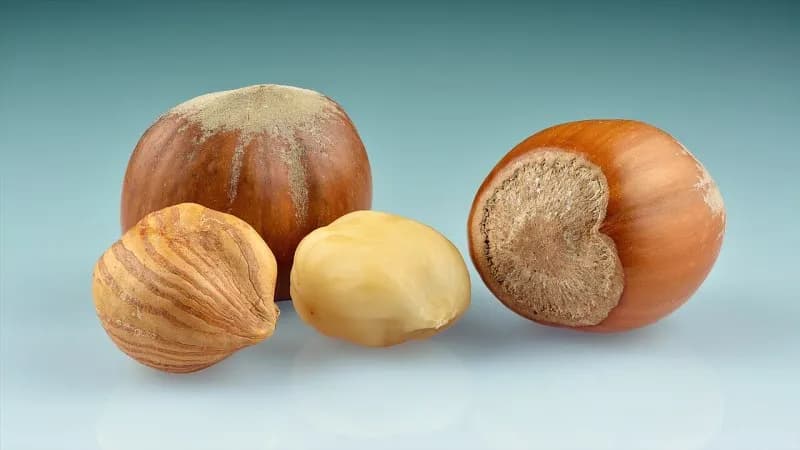
Vitamin E is a fat-soluble nutrient that helps protect cell membranes from oxidative damage. Vegetarian sources include sunflower seeds, almonds, peanuts, wheat-germ oil, sunflower oil, avocado and some leafy vegetables. No single food is compulsory. A spoonful of seeds, a small portion of nuts and varied plant oils across meals can contribute without turning the day into a nutrient-counting exercise.
Absorption and meal context
Because vitamin E is fat-soluble, it is absorbed with dietary fat. Most vitamin E rich foods already contain some fat, and vegetables can be eaten with a suitable oil, nuts or seeds. This does not mean extra oil improves absorption without limit. Cooking and storage can affect oils, so keep them away from heat and light and avoid repeatedly reheating frying oil.
Why supplements need caution
High-dose vitamin E supplements are different from food. They may increase bleeding risk and interact with anticoagulant or antiplatelet medicines, and large doses have not consistently prevented heart disease or cancer. A multivitamin, skin supplement and separate vitamin capsule may overlap. Check the total dose and seek professional advice before supplementation, particularly before surgery or during cancer treatment.
Food-first is usually enough
Deficiency is uncommon in healthy people eating a varied diet and is more likely with certain disorders affecting fat absorption. Symptoms should be assessed rather than treated from an online checklist. Vitamin E rich foods offer useful nutrients beyond vitamin E, which is why variety works well. Choose unsalted nuts and seeds where practical, measure energy-dense portions and use supplements only for a clear clinical reason.
Portions and variety in an Indian diet
A small handful of almonds or peanuts, a spoonful of sunflower seeds, vegetable dishes cooked with a suitable plant oil and leafy greens across the week can all contribute. Exact vitamin E content changes with food and processing, so there is little value in trying to make every meal reach a numerical target. Oils, nuts and seeds are energy-dense, which makes measured portions practical. Avoid replacing balanced meals with large nut servings or adding oil purely for the vitamin.
Storage matters because heat, air and light can damage fats: close packets tightly and discard stale-smelling nuts or oils. Eating these foods does not act like sunscreen, reverse skin ageing or cure fertility problems. Normal nutrient adequacy supports the body, while specific symptoms require their actual cause to be assessed. Rotate nuts and seeds rather than buying one costly product. People with nut or seed allergies can obtain the nutrient from suitable oils, greens and other sources, with professional guidance when needed.
Editorial sources
Frequently Asked Questions
Related Articles
Vitamin E Benefits: Antioxidant Power for Skin & Hair
Vitamin E is a fat-soluble antioxidant that protects cell membranes from damage and supports skin and hair health. See where to find it, and how much you.


Vegetarian protein: needs, myths and meal planning
Vegetarian meals can provide enough protein. Learn practical needs, simple Indian food sources, common myths and an easy meal-planning method.
High-Fibre Foods: Simple Indian Meal Ideas
Find high-fibre Indian foods, easy meal ideas, gradual intake tips and practical advice for constipation and daily health.