
Walnut Benefits, Nutrition, Portions and Safety
Walnuts provide unsaturated fat, protein, fibre, magnesium and plant ALA omega-3. They are nutritious but energy-dense.
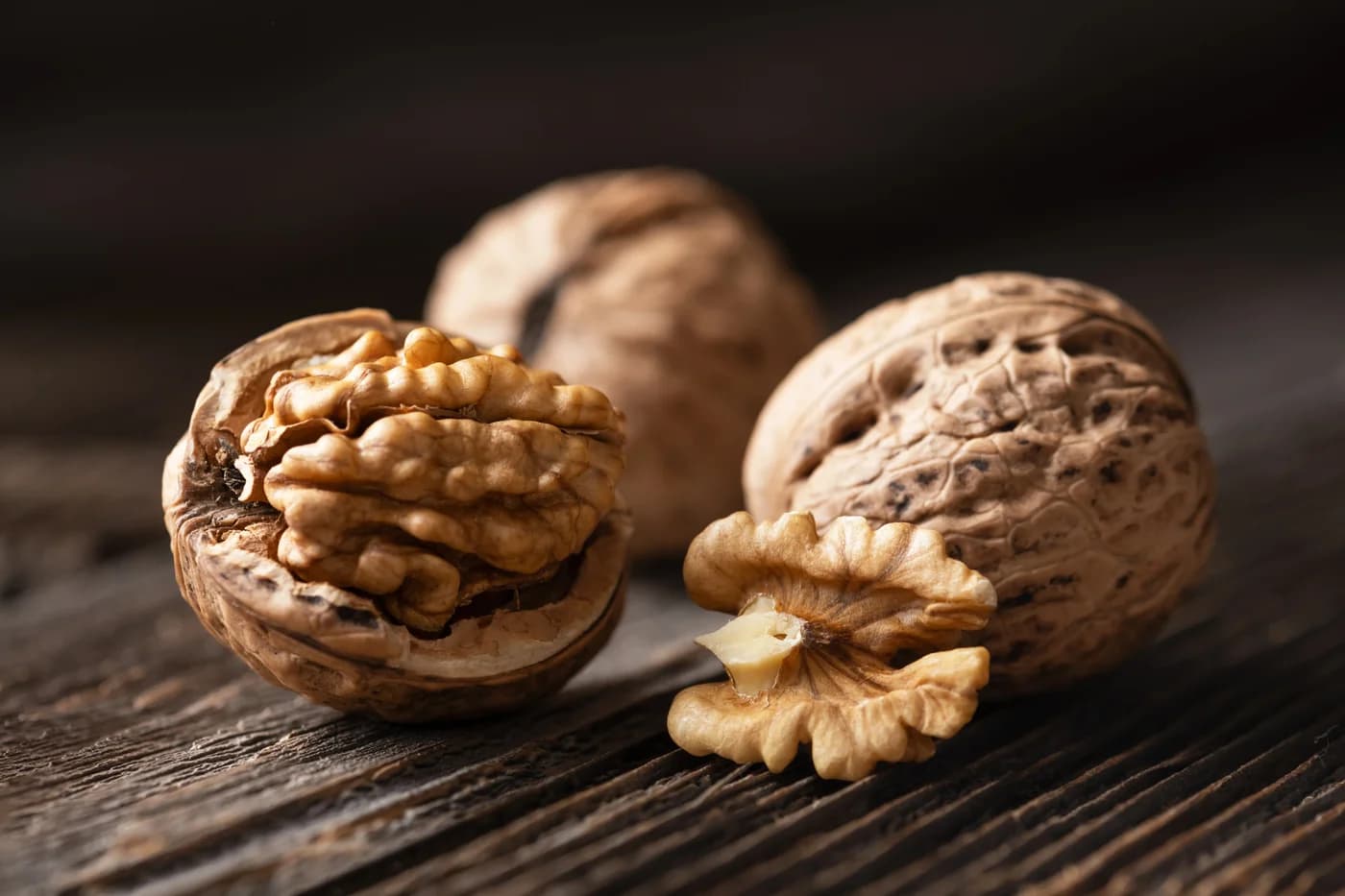
Key Takeaways
- Walnuts provide unsaturated fat, protein, fibre, magnesium and plant ALA omega-3.
- Using walnuts in place of foods high in saturated fat can support diet quality.
- Trials in healthy adults show small or inconsistent effects of walnuts on memory.
- Walnut allergy can be severe, and whole nuts are a choking hazard for young children.
Walnuts provide unsaturated fat, protein, fibre, magnesium and plant ALA omega-3. They are nutritious but energy-dense. This guide looks at walnut benefits, sensible portions and the safety points worth knowing, without exaggerated promises.
Understanding walnuts in context
Using walnuts in place of foods high in saturated fat can support diet quality. Adding large portions without considering total intake does not guarantee heart or brain benefits. Most of the useful research has looked at walnuts eaten as part of an overall diet, often replacing other snacks or fats, rather than at walnuts piled on top of an unchanged routine.
Reading the evidence on walnuts
Walnuts are unusual among nuts because most of their fat is polyunsaturated, including alpha-linolenic acid (ALA), a plant omega-3. Controlled feeding studies have generally found that diets including walnuts can modestly lower LDL cholesterol compared with diets higher in saturated fat. Large population studies also link regular nut eating with lower heart disease risk, although people who eat nuts often have other healthy habits too.
Claims about memory and brain health are less settled. The shape of the nut and its omega-3 content make an appealing story, but trials in healthy adults have shown small or inconsistent effects on thinking and memory. It is fair to say walnuts can be part of a diet that supports long-term health; it is not fair to say they sharpen memory or prevent dementia.
Simple serving ideas for walnuts
- Use a small handful as a snack.
- Add chopped walnuts to oats or salad.
- Choose unsalted, uncoated nuts.
- Store in the refrigerator or freezer to slow rancidity.
In Indian kitchens walnuts work well crushed into a mint or coriander chutney, stirred into curd with fruit, scattered over poha or upma, or added to a vegetable raita. In Kashmir, walnuts are traditionally ground into chutneys with curd and chilli, a reminder that they need not be reserved for sweets.
How preparation changes walnuts
Raw, lightly toasted and soaked walnuts are all nutritionally similar. Toasting deepens the flavour but long, high heat can damage the delicate fats, so keep it brief. Soaking softens the texture and some people find soaked walnuts easier to chew, but it is a matter of preference rather than a requirement. Packaged versions are where the real differences appear: honey-roasted, candied, salted or chocolate-coated walnuts add sugar, salt or fat that changes the snack considerably, so check the label rather than the front-of-pack claim.
Important limits to remember
Walnut allergy can be severe. Whole nuts are a choking hazard for young children. Large portions may cause digestive discomfort or add more energy than intended.
People with a known allergy to other tree nuts should seek medical advice before trying walnuts, as cross-reactions are common. For people managing weight, the main practical risk is simply eating from a large packet; a measured portion avoids that. Walnut extracts or oil capsules are not the same as the food and should be discussed with a doctor, particularly by anyone taking blood-thinning medicines.
What walnuts add to a meal
Walnuts provide unsaturated fat, protein, fibre and alpha-linolenic acid, a plant omega-3 fat. They are also energy-dense, so a small handful is a practical portion for many adults. Add chopped walnuts to oats, curd, salad or fruit, or eat them with another snack. Soaking is not needed; it changes texture but does not remove all antinutrients or create medicinal properties.
Heart-health evidence in context
Replacing foods high in saturated fat with walnuts or other unsaturated-fat sources can improve the overall fat pattern and may support healthier blood lipids. Adding walnuts on top of an already energy-rich diet is a different change. Heart outcomes depend on the full eating pattern, activity, smoking, blood pressure and medical care. No nut can independently prevent a heart attack.
Freshness, allergy and portions
Walnut fats can become rancid. Store shelled nuts in an airtight container in a cool place or refrigerator and discard them if they smell paint-like or sharply bitter. Tree-nut allergy can cause serious reactions; avoid home testing after a suspected allergy and seek urgent help for breathing difficulty or swelling. Whole or large nut pieces are a choking risk for young children.
A realistic conclusion
Walnut benefits are useful but not unique. Flaxseed, chia, other nuts, seeds and suitable oils can contribute different unsaturated fats and nutrients. Choose plain or lightly seasoned walnuts more often than sugar-coated or heavily salted versions. A modest portion that fits meals, budget and allergy needs is enough. There is no evidence-based reason to eat a fixed number at a special time or to treat walnuts as a cure for memory loss.
Using walnuts without making them compulsory
Walnuts can be eaten raw or lightly toasted. Toast only the amount needed and allow it to cool before storing. If you soak them, discard the soaking water and refrigerate soaked nuts because added moisture shortens storage life. Removing the thin brown skin does not add to walnut benefits; the skin contains plant compounds but can taste slightly bitter. Choose halves or pieces according to price because nutritional value is similar when freshness is equal. People managing energy intake can pre-portion walnuts instead of eating from a large packet.
There is no need for a morning, empty-stomach ritual. Walnuts can be added wherever they improve taste and texture, while other nuts and seeds provide variety. If a recipe combines walnuts with sugar, butter or chocolate, evaluate the whole recipe; a dessert does not become a heart treatment simply because it contains nuts. Buy quantities the household can finish while fresh. Walnut benefits fit a varied eating pattern, but they do not replace prescribed cholesterol treatment.
Editorial sources
Frequently Asked Questions
Related Articles
Healthy fats for brain: soaked almonds and walnuts habit
Healthy fats for brain health can come from simple vegetarian foods like almonds, walnuts, seeds and oils. Learn a simple soaked nuts habit.


Vegetarian protein: needs, myths and meal planning
Vegetarian meals can provide enough protein. Learn practical needs, simple Indian food sources, common myths and an easy meal-planning method.

High-Fibre Foods: Simple Indian Meal Ideas
Find high-fibre Indian foods, easy meal ideas, gradual intake tips and practical advice for constipation and daily health.