
Water Calories: Why Plain Water Has None
Plain water has no calories at any temperature. The difference comes from what is added and from drinks that use water as part of their name.

Key Takeaways
- Plain water has zero calories at any temperature.
- Lemon, mint or cucumber add flavour, not real calories.
- Coconut water and sweetened drinks do contain calories.
- Swapping sweet drinks for water helps weight goals.
Plain drinking water has zero calories. That remains true whether it is warm, cold, still or sparkling, provided nothing that supplies energy has been added. Minerals in water do not change that answer.
Confusion usually comes from drinks that include water in their names: coconut water, tonic water, flavoured water or vitamin water. Some contain sugar or other energy-providing ingredients. The useful question is therefore not whether the drink is clear, but what is in it.
Why water does not supply energy
Calories measure the energy the body obtains from food and drinks. Carbohydrate, fat, protein and alcohol can contribute energy. Pure water does not contain these, so it has no calories to add to your daily intake.
That does not make water unimportant. It supports temperature regulation, circulation, digestion and the movement of substances around the body. A nutrient can be essential without providing energy.
Likewise, zero calories does not mean a drink is a meal replacement. Water can address thirst, but it does not provide the fuel or range of nutrients you need when you are hungry.
Temperature does not change the calorie content
Hot water and cold water both have zero calories when plain. Boiling does not remove calories that were present in water, because plain water had none to begin with. Cooling does not create them.
Claims that ice-cold water burns enough energy to drive weight loss exaggerate a small physiological effect. Warm water does not melt body fat either. Choose the temperature that helps you drink comfortably.
You can enjoy warm water in the morning if it feels good, but there is no need to force several glasses before breakfast. The benefit is drinking suitable fluid, not a special fat-burning property at a particular temperature.
What about sparkling and mineral water?
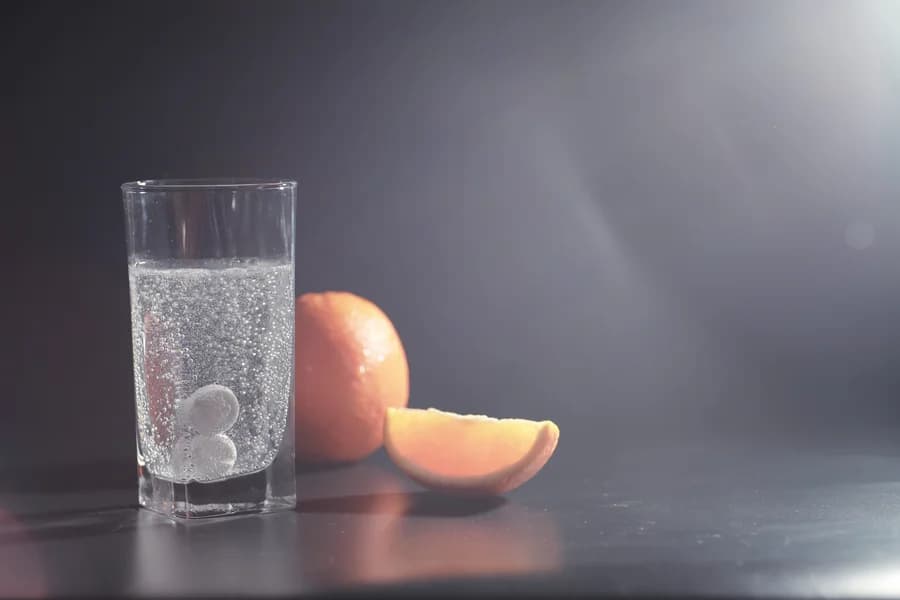
Plain sparkling water is water with dissolved carbon dioxide. The bubbles do not provide calories. Mineral water can contain calcium, magnesium or other minerals, but those minerals do not supply energy either.
Some sparkling drinks contain sugar, juice or syrups, so carbonation alone does not tell you the answer. Tonic water is a particularly common source of confusion: it is a mixer, and regular versions can contain considerable sugar.
Unsweetened sparkling water can be a useful alternative if you enjoy fizz. If it makes you burp or feel bloated, still water may be more comfortable. Zero calories describes energy content, rather than guaranteeing that every person will prefer the drink.
Lemon, cucumber and mint change the flavour
A few mint leaves or cucumber slices can make water more appealing without adding a meaningful amount of energy. A squeeze of lemon adds a small amount depending on how much juice is used, rather than turning the drink into a substantial food.
The bigger change comes from sugar, honey, jaggery or syrup. All can add calories even if the drink is homemade. Honey does not become calorie-free when dissolved in warm water.
For a simple nimbu drink, decide whether you want an unsweetened flavoured water or a sweetened beverage. Both can exist in a diet, but they answer different needs. You do not need to call the sweetened version a detox to enjoy it.
Coconut water is a different drink
Coconut water naturally contains sugars and therefore provides some calories. It also contributes minerals such as potassium. It is not the same as plain water taken from a tap, filter or bottle.
A serving can be refreshing, but it is not necessary for ordinary hydration. It should also not be mistaken for coconut milk, which is made from the flesh and has a different composition.
The same naming issue applies to rice water, barley water and fruit-infused packaged beverages. Their energy depends on what is dissolved or suspended in them and whether sugar has been added. The word water does not override the ingredients.
A quick way to understand packaged drinks
For a drink sold as flavoured or enhanced water, the useful details are the calories and sugar for the amount you will actually drink. A bottle may contain more than the serving used for the printed numbers.
For instance, if a 500 ml bottle contains 4 g of sugar per 100 ml, the whole bottle contains 20 g of sugar, contributing about 80 calories from that sugar. This is an example of the calculation, not a description of every flavoured water.
A zero-sugar product may use a non-sugar sweetener. That can reduce energy compared with a sugary version, but it does not make the product necessary. Ordinary safe drinking water is already an effective everyday option.
How water can help with weight management
Replacing a regular sugary drink with water reduces the energy supplied by that drink. This is the main practical advantage; water itself does not burn stored fat or erase calories from food.
The replacement matters. Drinking extra water while keeping all the same sweetened drinks does not create the same reduction. Nor does drinking water justify skipping a nourishing meal and then becoming intensely hungry later.
If you want a manageable change, choose one routine drink to replace: a sweet cola with lunch or a syrup-based afternoon beverage. Keep the replacement easy to obtain, especially when you are away from home.
Enough is useful; excessive is not better
Fluid needs vary with heat, activity, body size, pregnancy, illness and other circumstances. Food and other drinks contribute water too, so there is no universal bottle target that suits every person every day.
Drink regularly and respond to thirst in ordinary circumstances. During prolonged exercise, avoid forcing excessive amounts; too much fluid can dangerously dilute blood sodium. People with prescribed fluid restrictions need to follow their individual plan.
Dark urine can suggest that you need fluid, but urine colour is not a perfect test. Vitamins, medicines and health conditions can alter it. Persistent unusual thirst or very frequent urination deserves attention rather than an ever-larger bottle.
Keep the habit convenient
Put safe drinking water within reach, carry a clean reusable bottle when useful and refill it through the day. Wash the bottle regularly rather than only topping it up.
Choose warm, chilled or room-temperature water according to preference. The simplest answer remains dependable: plain water has no calories, while additions determine what changes. That clarity makes everyday drink choices easier without turning hydration into another diet calculation.
Editorial sources
Frequently Asked Questions
Related Articles
Drinking Water: How to Make Hydration Fit Your Day
A flexible guide to hydration that accounts for your routine, weather and health.

Coconut Water and Pregnancy: Benefits, Safety, and How Much Is Fine
Used in moderation, coconut water is generally considered a safe, refreshing way to support hydration during pregnancy. See the benefits and how much is.
Coconut Water Benefits: What This Natural Drink Actually Does
Coconut water is a naturally sweet, low-calorie liquid with potassium and other electrolytes — useful for hydration, though not the cure-all wellness.
Water-Rich Foods: Fresh Ways to Add Fluid to Your Day
Refresh your meals with familiar water-rich foods while keeping drinks, adequate nutrition and any medical fluid plan in view.