
Drinking Water: How to Make Hydration Fit Your Day
A flexible guide to hydration that accounts for your routine, weather and health.
Key Takeaways
- There is no fixed number of glasses for everyone.
- Tea and coffee count towards fluid intake.
- Heat, exercise and illness raise fluid needs.
- Drinking far too much water can be harmful.
You finish a busy afternoon and realise your water bottle is still full. On another day, you keep drinking because an app says you are behind. Hydration does not need to swing between forgetting and forcing. A useful routine gives you regular opportunities to drink, adjusts for heat and activity, and leaves room for your body's signals.
What water does for you
Water supports normal body functions, including temperature regulation and moving substances around the body. You lose fluid through urine, sweat, breathing and stools, so it needs to be replaced.
Plain drinking water is a simple way to do that. Other drinks and water in food contribute too. A bowl of soup, fruit and ordinary milk are not invisible to your fluid intake just because they are not poured from a water bottle.
You do not need alkaline water, an expensive bottle or a cleansing additive for these basic functions. Safe water that is available and pleasant to drink is a good starting point.
Is there a fixed number of glasses?
No single number suits every adult in every setting. NHS guidance uses six to eight cups or glasses of fluid daily as a general guide, with more sometimes needed during heat, exercise, illness, pregnancy or breastfeeding.
Glass sizes differ, and the figure includes fluid rather than only plain water. Treat it as a prompt to drink regularly, not a test you must pass regardless of circumstances.
A smaller person indoors on a cool day may not need the same amount as someone doing physical work in an Indian summer. A person with a prescribed fluid restriction has a different plan again.
Use signals without turning them into a scoreboard
Thirst is useful for many healthy adults. Urine that is usually pale yellow can also be a rough sign of adequate hydration, although medicines, supplements and some foods can change its colour.
You do not need colourless urine all day. Repeatedly drinking to achieve that can lead to unnecessary intake and frequent bathroom trips.
Older adults may feel thirst less strongly, so access and reminders can matter. A glass with meals and an offered drink during the afternoon can be more effective than expecting someone to ask. People who need help reaching a bottle or using a cup may also need practical support.
Build drinking into transitions
Instead of setting an alarm every few minutes, connect water with moments that already happen. Have a drink with breakfast, refill after arriving at work and keep water available with lunch.
If a bottle disappears into your bag, put it somewhere visible. If you dislike warm water, use a flask or refill with cooler safe water when convenient. A bottle you enjoy using may help, but there is no special health advantage to an elaborate one.
For long meetings or travel, plan access rather than trying to catch up later. Knowing where you can refill and take a bathroom break often solves more than a hydration app.
Do tea and coffee count?
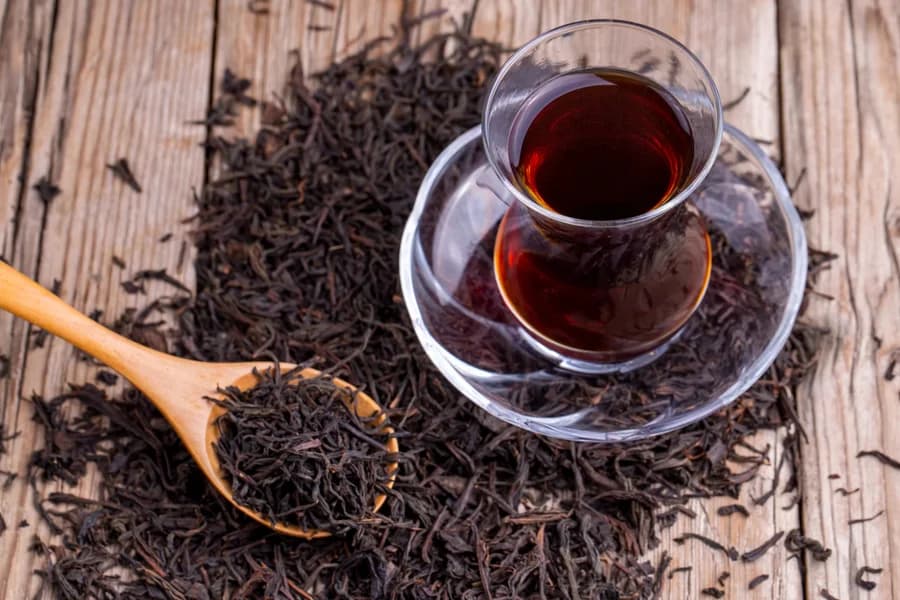
Tea and coffee contribute fluid. Their caffeine can still affect sleep, anxiety or other symptoms, so more is not always better. Consider what suits you and count other caffeine sources in the day.
Plain milk also provides fluid and nutrients. Sugary drinks can hydrate, but frequent use adds free sugar, making water a more useful usual choice for thirst.
You do not need to replace every drink you enjoy. Keep water easily available and make other drinks intentional choices rather than the only fluids you remember. A cup of chai can fit without becoming the answer to every thirsty moment.
Heat and exercise change the situation
On hot days, drink more regularly and take shade or cooling breaks. For an ordinary short walk or gentle yoga session, water is generally sufficient; a sports drink is not automatically required.
Longer activity with substantial sweating may require a different fluid and food plan. The duration, intensity, weather and individual sweat losses matter more than the fact that exercise happened.
Avoid finishing a strenuous session and immediately forcing several litres of water. Take sensible opportunities to drink, and use appropriate guidance for endurance events or very hot working conditions. Hydration is one part of heat safety, alongside reducing exposure and recognising illness.
When illness causes fluid loss
Vomiting and diarrhoea can cause losses of both water and salts. An oral rehydration solution can be useful in this situation; it is not the same as a sports drink, juice or a homemade “detox” water.
Use a proper oral rehydration packet exactly as directed, including the specified amount of safe water. Making it stronger is not more effective and can be harmful.
Seek urgent help for confusion, unusual drowsiness, very little urine, persistent dizziness or inability to keep fluids down. Babies, older adults and people with significant illnesses can become unwell more quickly. Do not wait for a daily target to tell you whether the situation is serious.
Can you drink too much?
Yes. Drinking very large amounts, especially quickly, can dangerously dilute sodium in the blood. More water is not always a safer choice, particularly during long exercise or a challenge that encourages drinking beyond thirst.
People with certain heart, kidney or liver conditions may be given a specific fluid limit. Follow that plan rather than a general social-media recommendation.
Persistent excessive thirst or a marked change in urination also deserves assessment. Simply increasing water indefinitely can miss an underlying issue such as high blood glucose or a medicine effect.
Keep the routine comfortable
Warm water is fine if you like it; cool water is fine too. Drinking with meals is generally acceptable, and there is no need for rigid waiting periods before and after eating.
If night-time drinking repeatedly interrupts sleep, spread more of your fluids earlier while maintaining an appropriate overall intake. Make the routine fit your day rather than saving most of it for bedtime.
Good hydration is usually ordinary: safe water within reach, regular chances to drink and adjustments for what you are doing. It should support daily life without becoming another demanding health challenge.
Editorial sources
Frequently Asked Questions
Related Articles
Lemon Water Benefits: Hydration, Vitamin C and Dental Safety
Lemon water is simply water with lemon juice or slices, and its main value is helping some people drink more water. Learn dental safety.

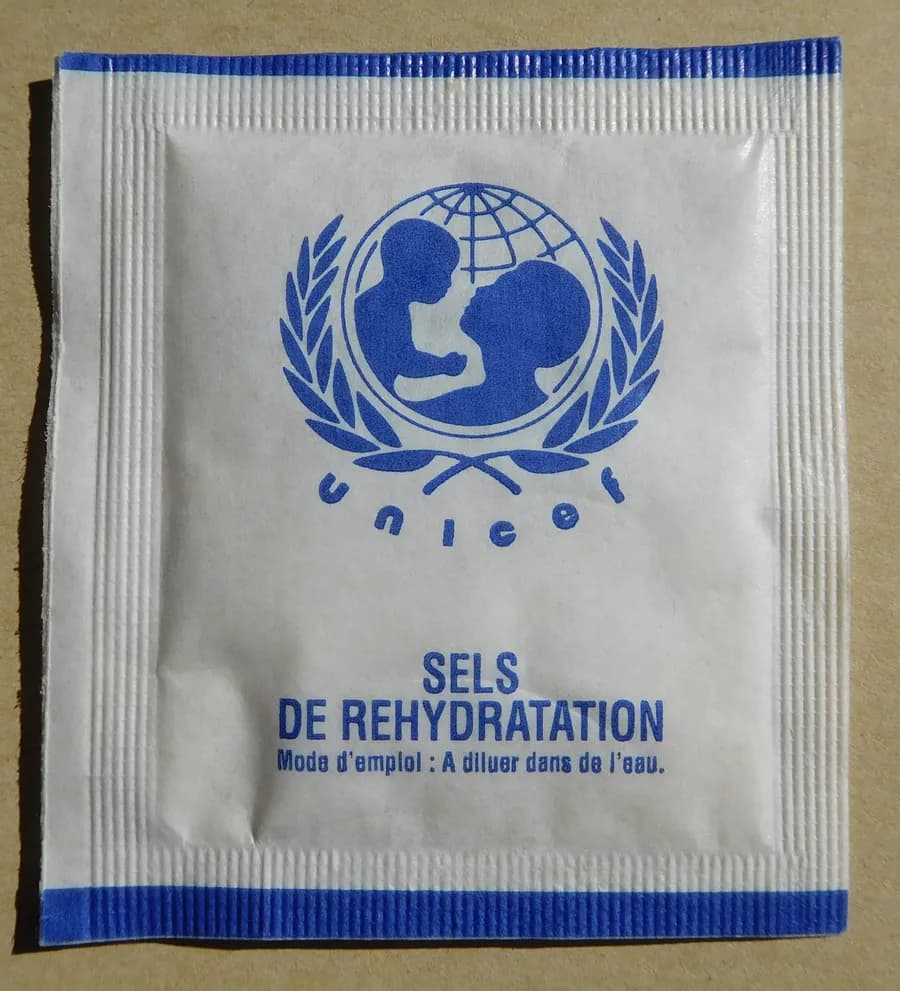
How to Make ORS at Home: The Correct Salt-Sugar-Water Ratio
Making ORS at home is useful during dehydration from diarrhoea or vomiting — but the salt-sugar-water ratio has to be exact. See the standard formula and.

Electrolyte Rich Foods: Natural Sources for Everyday Hydration
For everyday hydration, electrolyte rich foods usually do the job just as well as a sports drink — often with less added sugar. See the best natural.
Raisin Water: What It Really Does (and Doesn’t)
Raisin water is said to clean the liver, raise your blood count and help weight loss. Here is an honest look at what actually moves into the water.