
Water-Rich Foods: Fresh Ways to Add Fluid to Your Day
Refresh your meals with familiar water-rich foods while keeping drinks, adequate nutrition and any medical fluid plan in view.
Key Takeaways
- Food contributes water as well as drinks.
- Cucumber, citrus, curd and soups add fluid.
- Water-rich foods work alongside drinking water.
- Fluid restrictions change the plan.
Cucumber with lunch, an orange in the afternoon and a bowl of vegetable soup all contribute water. Hydration comes from food as well as drinks, although the amount varies with what you eat. Water-rich foods can make meals refreshing and help people who find regular drinking difficult. They work alongside drinking water, rather than replacing it or treating significant dehydration.
More than a percentage on a food chart
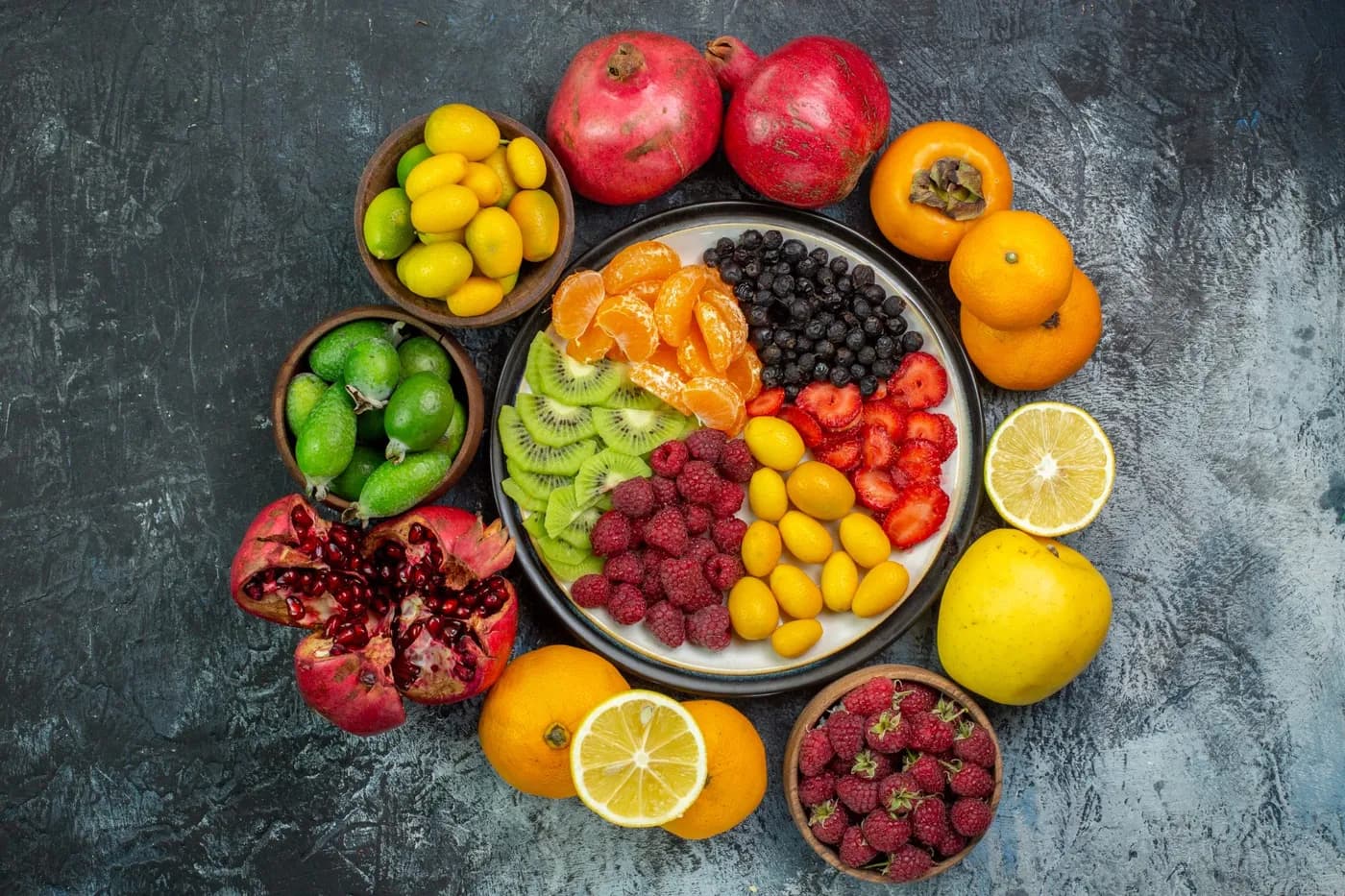
Many fruits and vegetables contain a high proportion of water. Melon, cucumber, tomatoes, oranges and leafy vegetables are familiar examples. Curd, milk, soups and some cooked dishes can contribute fluid too.
A list ranked by exact water percentage can miss what matters in daily life. You may eat only a few leaves of one food but a full bowl of another. Serving size, preparation and whether you enjoy it affect the contribution.
Choose foods you can buy and use regularly. There is no need to search for an expensive fruit because it ranks a little higher than a seasonal alternative.
Start with produce already in your kitchen
Cucumber can go into a simple salad or raita. Tomato adds moisture to a sandwich filling or a pulse salad. Lauki, tori and other vegetables contribute water when cooked, though the final dish depends on how much liquid remains.
Seasonal fruit is an easy snack when washed and prepared safely. Watermelon or muskmelon can be refreshing, while oranges and mosambi provide a different texture and flavour. Whole fruit generally keeps more fibre and eating structure than strained juice.
You do not need to eat all of these in one day. Adding one fruit and a vegetable side to an existing routine may be enough to make meals more varied and refreshing.
Useful combinations for an ordinary day
Try matching the food to a meal you already eat:
- Add cucumber raita to a roti-and-sabzi lunch.
- Have an orange or a manageable bowl of melon between meals if hungry.
- Include a vegetable soup alongside a substantial dinner, rather than making thin broth the whole meal.
- Use tomato and cucumber in a chickpea salad, with enough chickpeas to provide substance.
These combinations contribute more than water. They can also provide fibre, protein or other nutrients, depending on the ingredients. There is no requirement to make every plate raw or cold.
If a large salad makes you uncomfortable, use smaller amounts or cooked vegetables. Hydration does not depend on tolerating a huge bowl of raw food.
Curd and soups have different strengths
Plain curd contributes water and protein, making it more substantial than a watery juice. A curd-based drink can also fit, but added salt or sugar changes the overall drink.
Soup varies enormously. A home vegetable soup with moderate salt differs from a concentrated packaged soup or a cream-heavy restaurant version. Both fluid and the other ingredients count.
If appetite is poor, filling up on thin soup before a meal may leave too little room for nourishment. Use it alongside food or choose a more substantial preparation with pulses or another protein source. The aim is hydration without crowding out the food you need.
Keep drinking water convenient
Food contributes to total water intake, but it is hard to estimate precisely from a normal menu. Keep safe drinking water available and drink regularly, especially in heat or during activity.
Many people find pale-yellow urine a useful rough guide, although medicines, supplements and medical conditions can change urine colour. Thirst and urine patterns should be interpreted with how you feel, not treated as exact measurements.
Needs differ with body size, weather, sweating, pregnancy, illness and other factors. A fixed internet target is less useful than a routine that suits those circumstances. Do not force litres of water beyond comfort simply to achieve a challenge number.
Whole fruit is different from unlimited juice
Fruit juice contributes fluid, but it can make a large amount of sugar easy to drink quickly. A glass made from several fruits is different from eating one piece of fruit.
For diabetes, account for the actual fruit portion and carbohydrate rather than assuming water-rich means sugar-free. A suitable portion can fit many plans; fruit does not need to be banned.
If fat loss is the goal, water-rich foods can add volume to meals, but they should not become a way to avoid adequate food. Cucumber alone is unlikely to replace a satisfying lunch. Keep protein and enough energy in the day's meals.
Heat and illness can increase the need
On a hot day, offer drinks regularly rather than relying on an evening fruit bowl to make up for hours without fluid. People working outdoors or exercising heavily may need a more specific hydration plan.
Vomiting and diarrhoea can cause loss of salts as well as water. Oral rehydration solution may be appropriate; prepare it with the stated amount of safe water. Fruit, soup or coconut water is not a measured equivalent to ORS.
Persistent dizziness, very little urine, inability to keep fluids down, confusion or marked drowsiness needs prompt medical attention. A person who cannot swallow safely should not be given food or drink by mouth while waiting for help.
Make it easier for someone who forgets to drink
Older adults and people needing assistance may not reliably ask for fluid. Offer a drink with meals and at regular breaks, and make it easy to reach and hold.
Water-rich food can be an additional opportunity: soft fruit, curd or an appropriate soup may be appealing. Swallowing problems require the texture and fluid consistency recommended for that person, rather than a general list of juicy foods.
Do not pressure someone to consume large volumes at once. Small regular opportunities are often easier, while repeated refusal, worsening intake or illness should lead to an assessment of the cause.
Fluid restrictions change the plan
Some kidney and heart conditions require a prescribed fluid limit. Soup, ice, milk and other liquid foods may count towards it; water-rich foods may also need consideration according to the plan.
Do not increase these foods to bypass a restriction. Potassium or sodium limits may affect choices as well. The individual plan takes priority over general advice to hydrate more.
For everyone else, a practical habit is to keep washed produce ready for one meal or snack, while keeping drinking water within reach. A comfortable, varied routine is more useful than tracking the water percentage of every bite.
Editorial sources
Frequently Asked Questions
Related Articles

Drinking Water: How to Make Hydration Fit Your Day
A flexible guide to hydration that accounts for your routine, weather and health.

Watermelon Benefits: Nutrition, Portions and Safety
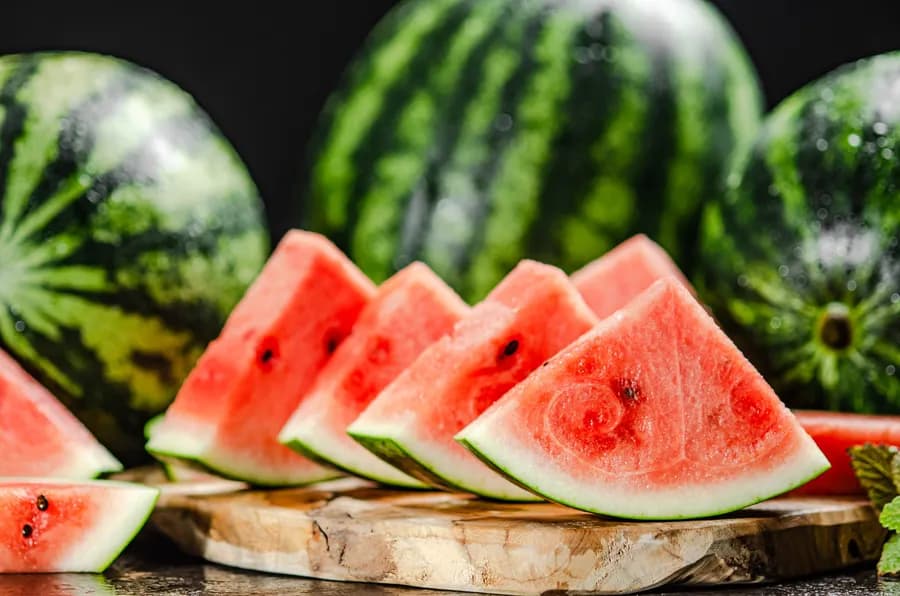
Watermelon is mostly water, making it refreshing and relatively low in calories by weight, but large bowls or juice still add up in carbohydrate.

Types of Water: Which One Do You Actually Need?
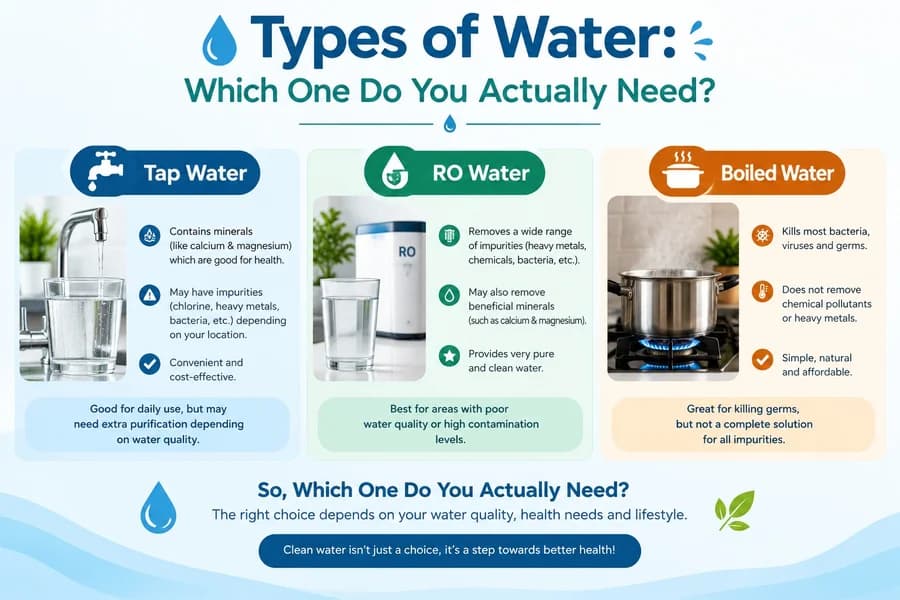
Choose safe everyday water by its source and treatment needs, without paying extra for unsupported hydration or detox claims.

Lemon Water Benefits: Hydration, Vitamin C and Dental Safety
Lemon water is simply water with lemon juice or slices, and its main value is helping some people drink more water. Learn dental safety.