
Water Chestnuts: Nutrition, Uses and Preparation
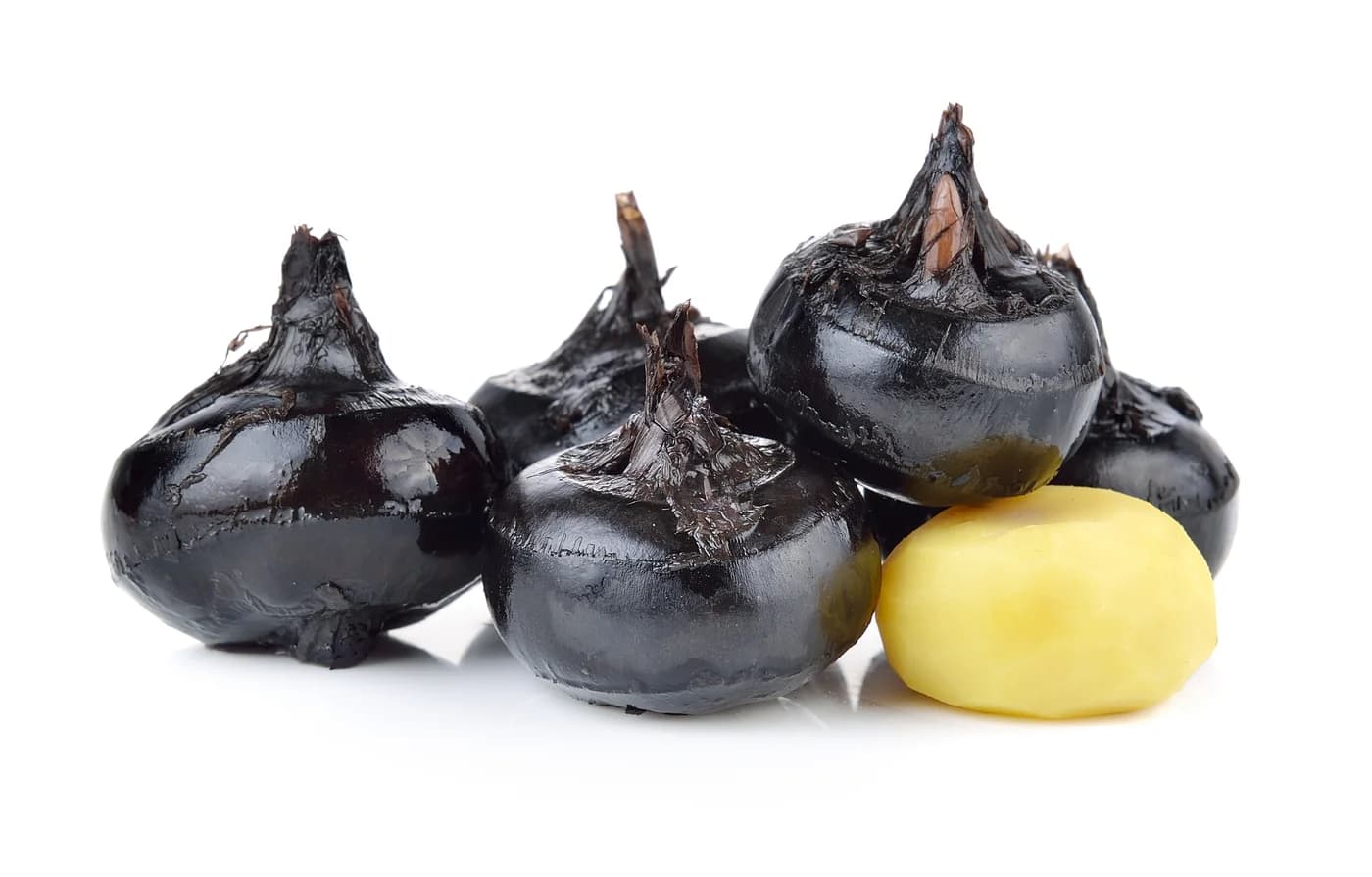
Water chestnuts are crisp aquatic vegetables, not nuts. Fresh corms and canned slices stay crunchy after cooking.

Key Takeaways
- Water chestnuts are crisp aquatic vegetables, not nuts, and stay crunchy even after cooking.
- Fresh singhara, canned slices and singhara flour differ in texture, sodium and how they cook.
- They mainly supply water and starch, with some fibre and potassium, and are naturally gluten free.
- Wash and peel fresh ones, rinse canned slices to cut sodium, and portion flour like any starch.
Water chestnuts are crisp aquatic vegetables, not nuts. Fresh corms and canned slices stay crunchy after cooking, while singhara flour is a separate dried product. This guide explains the different types, the realistic water chestnut benefits and how to prepare them well.
What water chestnuts are
The name covers two different plants. In India, water chestnut usually means singhara, the horned, dark-skinned fruit of a floating water plant (Trapa) that grows in ponds and lakes and is common in winter markets. The canned slices used in stir-fries are usually Chinese water chestnuts (Eleocharis dulcis), the rounded corms of a grass-like plant grown in flooded fields.
Both have white, crisp flesh with a mildly sweet flavour and stay crunchy after cooking, which makes them useful in stir-fries, curries, salads and snacks. Fresh and canned forms differ mainly in texture and sodium. Singhara flour, or singhare ka atta, is a dried, ground form commonly used during fasting and behaves differently from the whole vegetable.
Why they are not really nuts
Despite the name, water chestnuts are not related to tree nuts such as almonds or walnuts. They grow in water rather than on trees, and their flesh is mostly water and starch rather than fat. Being unrelated to tree nuts does not rule out other allergies, so anyone with known food allergies should be cautious with any new food.
What they provide
Water chestnuts mainly supply water and carbohydrate, largely as starch, along with some fibre and potassium. They are low in fat and naturally gluten free. When weighing water chestnut benefits, remember that exact values differ between singhara and Chinese water chestnuts, and between fresh, canned and dried forms, so a food composition database such as USDA FoodData Central is a better guide than package claims.
Possible water chestnut benefits
- Crunch and volume. Their high water content and crisp texture add bulk to meals, which can make a dish feel more satisfying.
- Some fibre and potassium. They contribute small amounts of both, especially when eaten as whole fresh vegetables.
- A gluten-free flour option. Singhara flour is naturally gluten free, though packaged flour can be processed alongside wheat, so people with coeliac disease should look for a gluten-free label.
These are ordinary food benefits. Water chestnuts are not a treatment for any condition.
Fresh, canned and flour forms
Fresh singhara is sold with its shell on and needs peeling; it can be boiled and eaten as a snack or added to curries. Fresh Chinese water chestnuts are peeled with a small knife. Canned slices are already peeled and cooked, so they only need draining and rinsing.
Singhara flour is made from dried water chestnuts and behaves mainly as a starch. It is useful in rotis, pakoras, halwa and for thickening, but it is not nutritionally equivalent to a serving of the fresh vegetable.
Keeping the signature crunch
Water chestnuts keep their bite better than most vegetables, but they still soften with long cooking. Add slices to stir-fries and curries in the last few minutes. For salads, use boiled and cooled singhara or rinsed canned slices with cucumber, onion, lemon and herbs. Singhara flour does not form gluten, so dough made from it is soft and crumbly; binding it with boiled potato or mashed vegetables makes rotis easier to roll.
Buying, cleaning and storing
Choose fresh water chestnuts that feel firm and heavy, with no soft spots, cracks, mould or sour smell. Because they grow in ponds and flooded fields, wash them thoroughly under running water before peeling, and use a knife rather than your teeth to open the shell. Boiling is a sensible way to eat fresh singhara.
Store unpeeled fresh water chestnuts in the fridge and use them within a few days. Once a can is opened, transfer leftovers to a covered container and refrigerate. Keep flour in an airtight container in a cool, dry place and check it for a bitter or stale smell before use.
Points to keep in mind
Canned water chestnuts may contain added salt, so rinsing them and comparing labels helps people watching their sodium intake. Singhara flour is a starch, not a low-carbohydrate flour, so portion it like other flours, especially if you have diabetes. Fried fasting snacks made with the flour can also carry a lot of oil.
How they fit a balanced routine
Use water chestnuts alongside other vegetables, pulses, protein foods and whole grains rather than as a replacement for them. During fasts, singhara flour pairs well with curd, vegetables and a small handful of nuts to make a more balanced plate. For most people, water chestnut benefits come from variety and texture: a crunchy, seasonal addition to everyday meals.
Editorial sources
Frequently Asked Questions
Related Articles
Low Calorie Foods: Filling Choices for Everyday Indian Meals
No ordinary food is truly calorie-free, but vegetables, fruit, soups and lean protein foods can provide volume for fewer calories.

High-Fibre Foods: Simple Indian Meal Ideas
Find high-fibre Indian foods, easy meal ideas, gradual intake tips and practical advice for constipation and daily health.
Potassium Rich Foods: Best Sources to Add to Your Diet
Potassium helps the body manage fluid balance, muscle function, and healthy blood pressure. See the best sources to add to your diet, from bananas to.