
Watermelon Seed Benefits: Nutrition and Portions
Dried watermelon seeds provide protein, unsaturated fat, magnesium and other minerals in a compact serving.
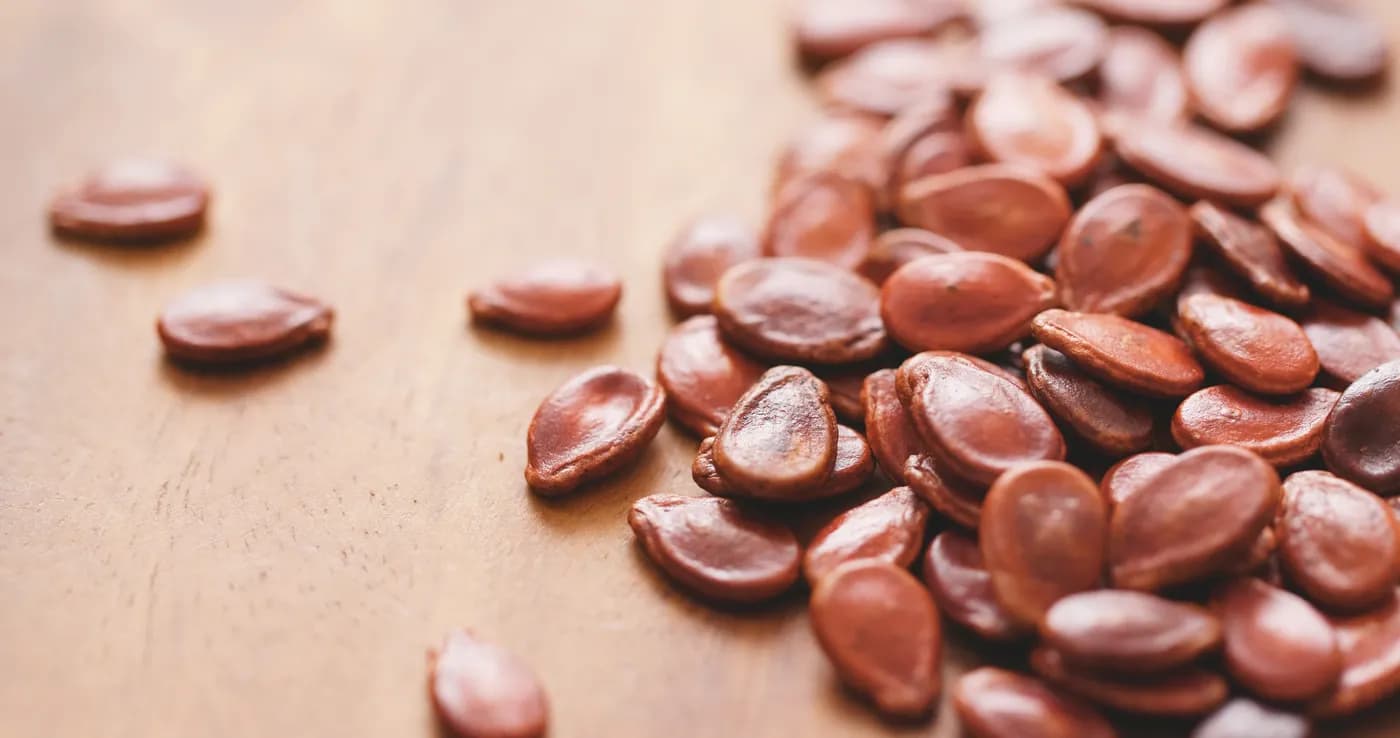
Key Takeaways
- Dried watermelon seeds provide protein, unsaturated fat, magnesium and other minerals.
- Seeds add nutrients and fullness, but do not treat mineral deficiency, infertility or heart disease.
- Unsalted roasted seeds are the better choice; salted or masala-coated ones add sodium.
- One to two tablespoons is a practical portion, as the kernels are energy-dense.
Dried watermelon seeds provide protein, unsaturated fat, magnesium and other minerals in a compact serving. Nutrition varies with roasting, salt and added coatings. This guide examines watermelon seeds with practical context and without exaggerated promises.
Watermelon seed benefits beyond the headline
Seeds can contribute nutrients and fullness, but ordinary portions do not treat mineral deficiency, infertility or heart disease. Replacement matters: unsalted seeds are more useful when they replace less nutritious snacks. In India, hulled watermelon kernels are also one of the seeds in char magaz, the melon-seed mix used to thicken gravies and in thandai and laddoos, so many households already eat them in small amounts.
Claims worth questioning
Online posts credit watermelon seeds with lowering blood sugar, boosting fertility, improving skin and reversing hair loss. Most of these claims rest on the nutrient content of the seeds, or on laboratory and animal studies of seed extracts, rather than on trials in people eating normal portions. Containing magnesium or zinc is not the same as correcting a deficiency or treating a condition.
Tea made by boiling crushed seeds is also promoted for kidney health or water retention. There is no good evidence for this, and anyone with kidney disease, high blood pressure or swelling should follow their doctor's advice rather than a home remedy.
Simple serving ideas for watermelon seeds
- Use one or two tablespoons on oats or curd.
- Add to trail mix with other nuts and seeds.
- Choose unsalted roasted seeds.
- Grind for young children when choking is a concern.
Lightly dry-roasting raw kernels in a pan for a few minutes brings out a nutty flavour. Let them cool fully before storing so that trapped moisture does not make them soft or mouldy.
Serving size and food safety
Because the kernels are rich in fat, energy adds up quickly when eating straight from an open packet. Tip a small amount into a bowl instead. Buy from shops with good turnover, check the packing and best-before dates, and keep opened packs sealed.
Important limits to remember
Seeds are energy-dense and large portions may cause digestive discomfort. Check sodium in flavoured products and avoid them with a seed allergy.
People advised to limit sodium for blood pressure, heart or kidney conditions should choose plain kernels over salted or masala-coated versions.
What watermelon seeds provide
Dried watermelon kernels provide protein, unsaturated fat and minerals such as magnesium, but the exact nutrition varies with the product and serving. Because the seeds are energy-dense, a small handful or spoonful is usually enough to add texture to a meal. The pale kernels sold as snacks are different from swallowing a few soft seeds while eating watermelon; neither situation requires alarm in a healthy person.
Easy ways to eat them
Use unsalted roasted kernels over curd, poha, salads or vegetables, or mix them with other nuts and seeds. They can also be ground into chutney. Check flavoured packets for sodium, sugar and added oils. Seeds should complement meals rather than replace dal, dairy, tofu, eggs or another substantial protein source. Introduce them gradually if a sudden increase in fat or fibre causes digestive discomfort.
Allergy, choking and storage
Seed allergy is possible. Stop eating the product and seek urgent help for breathing difficulty, facial swelling or faintness. Whole seeds and mixed-seed snacks can be a choking risk for small children, so choose an age-appropriate form. Store kernels in an airtight container away from heat and moisture; discard them if they smell stale, paint-like or unusually bitter because their fats can become rancid.
Keeping the claim in proportion
Watermelon seed benefits come from adding another nutrient-dense food to a varied diet. They do not detox the body, cure anaemia, raise testosterone reliably or cause weight loss. Choose a modest portion, preferably without excessive salt, and rotate it with pumpkin, sunflower, sesame or other seeds. Variety is more useful than treating one seed as essential.
Comparing seeds fairly
Watermelon kernels do not need to replace every other nut or seed. Pumpkin seeds may provide more of some nutrients, flax and chia offer plant omega-3 fats, and sesame adds a different flavour and mineral profile. Mixing or rotating them avoids relying on a single food. Watermelon seed benefits also depend on preparation: a heavily salted commercial snack is different from plain roasted kernels. When weight or sodium intake needs attention, measure rather than free-pour. Watermelon seeds can fit vegetarian meals, but they are an addition, not a complete protein plan by themselves.
Price and availability also matter. Buy a small quantity if trying the kernels for the first time, particularly when the product is sold loose and freshness is uncertain. Transparent packaging should not show moisture, insects or heavy clumping. Seeds are not a necessary daily purchase; locally available peanuts, roasted chana and other nuts or seeds may serve a similar snack role. Choose the option the household will use safely and consistently.
Editorial sources
Frequently Asked Questions
Related Articles
Healthy fats for brain: soaked almonds and walnuts habit
Healthy fats for brain health can come from simple vegetarian foods like almonds, walnuts, seeds and oils. Learn a simple soaked nuts habit.


Vegetarian protein: needs, myths and meal planning
Vegetarian meals can provide enough protein. Learn practical needs, simple Indian food sources, common myths and an easy meal-planning method.

High-Fibre Foods: Simple Indian Meal Ideas
Find high-fibre Indian foods, easy meal ideas, gradual intake tips and practical advice for constipation and daily health.