
What Is Sago? Sabudana, Nutrition and Better Meals
Understand the starch behind sabudana and build a more satisfying meal around it.

Key Takeaways
- Sabudana is a starch product, usually made from tapioca.
- It is mostly starch with little protein or fibre.
- Add peanuts, curd and vegetables for a fuller meal.
- Gluten-free does not mean suitable for everyone.
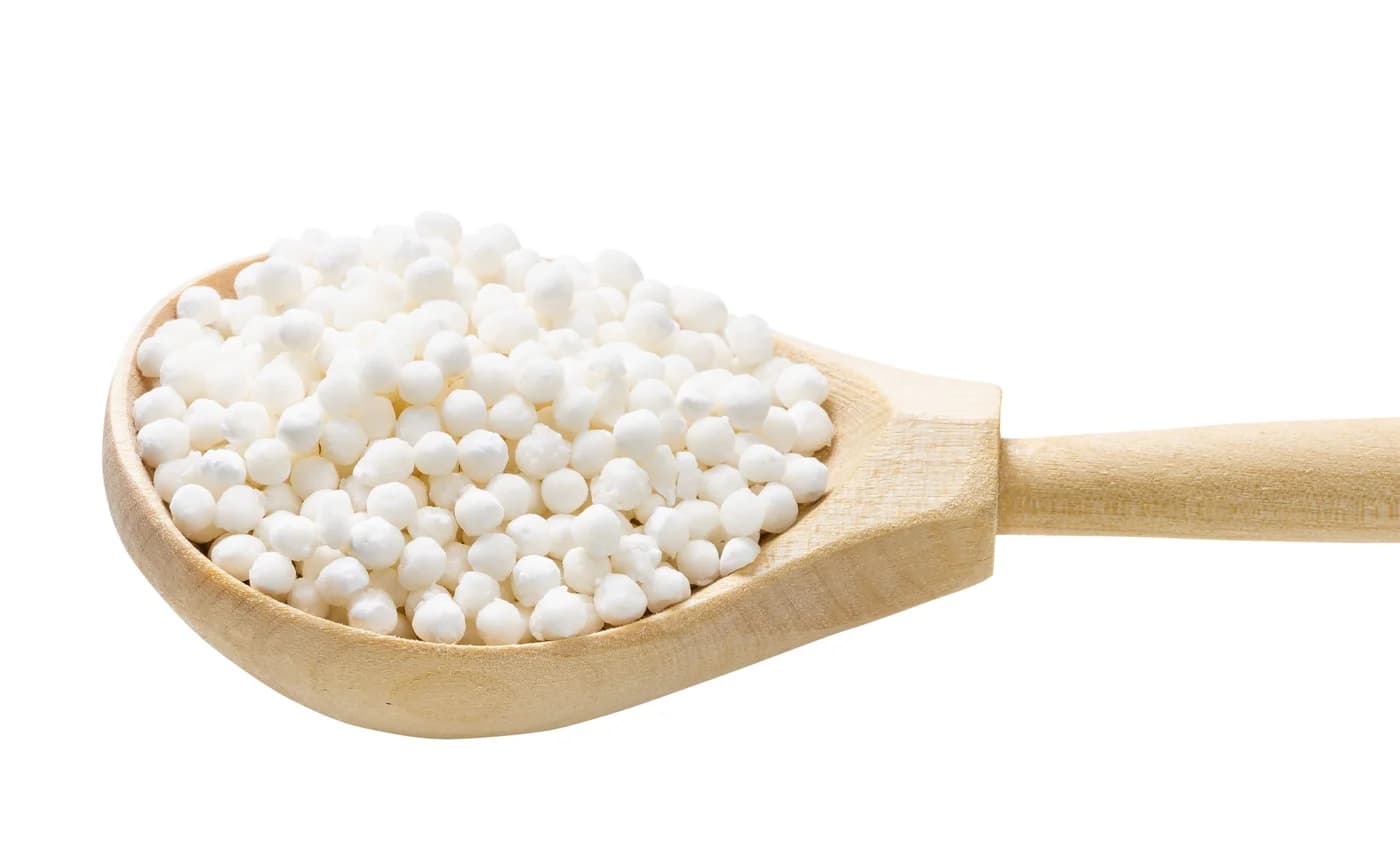
Sabudana khichdi is a familiar fasting-day meal, yet the pearls themselves can be surprisingly confusing. Are they a grain, a seed or a kind of millet? They are a starch product. In India, sabudana is commonly made from tapioca, while true sago comes from certain palms. Knowing that helps explain both its usefulness in cooking and what a bowl needs alongside it.
Sago and tapioca are not exactly the same
True sago is starch obtained from the pith of sago palms. Tapioca comes from cassava roots. Both can be processed into pearls with a similar appearance, which is why their names are sometimes used loosely.
The sabudana used in many Indian kitchens is generally tapioca-based. It is not a wholegrain, despite being cooked in some dishes in place of rice or other grains.
For ordinary cooking, the practical difference is knowing which product you have and following its preparation method. Pearls differ in size and how much soaking or cooking they need. One method will not suit every packet.
What do the pearls provide?
Sabudana mainly supplies carbohydrate and energy. On its own, it contains little protein or fibre compared with foods such as pulses or intact whole grains.
There is nothing wrong with a food providing energy. The difficulty comes when a meal of mostly starch is described as complete simply because it is homemade or associated with fasting.
Dry and cooked weights are also different. Pearls absorb water, so a bowl of cooked sabudana cannot be compared directly with the same weight of dry pearls. For a household meal, the whole recipe and your serving are more useful than a striking calorie figure copied without preparation details.
Make khichdi more satisfying
Peanuts add texture, fat and some protein to sabudana khichdi. Curd alongside can add more substance if you eat dairy. Vegetables contribute variety where they fit your preferences and fasting practice.
Try enough peanuts to be a noticeable part of the dish, without using unlimited amounts. A spoonful of grated coconut can add flavour, but it is not a replacement for the protein component.
Potatoes are a traditional addition and can be enjoyed. They are another starchy food, though, so a large amount does not address the lack of protein. Think about the meal as a whole rather than assuming every addition changes its balance in the same way.
Fasting customs and nutrition can coexist
Foods permitted during a fast differ between families and traditions. There is no single fasting menu that everybody must follow, and this guide does not prescribe religious rules.
Within the foods you choose to eat, aim for enough nourishment and comfortable portions. If curd, milk, nuts or other protein-containing foods are part of your practice, they can help make the day less dependent on starch and fried snacks.
Fasting does not require eating too little and then feeling unwell. People who use medicines that can cause low blood sugar, are pregnant or have a medical condition affecting food intake may need an individual plan before changing meal timing substantially.
Get the soaking right
Rinse the pearls and use the soaking method suited to their size and brand. Too much water can leave a sticky mass; too little or too short a soak can leave a hard centre.
Before cooking khichdi, check that a soaked pearl crushes between your fingers without a hard centre. Drain away excess water. Cook with gentle stirring so the pearls heat evenly without being mashed together.
If your usual method fails repeatedly, change one thing at a time: soaking water, duration or pan crowding. Adding more oil is not the only solution to clumping. A small trial batch can save the frustration of spoiling a large family meal.
Khichdi, vada and kheer are different dishes
The pearls do not determine the nutrition of the final food by themselves. Sabudana vada takes on added fat through frying. Kheer may contain milk and a considerable amount of sugar. Khichdi can vary widely with oil, peanuts and potatoes.
Enjoy these foods for what they are. A few vadas as part of a meal are different from using fried snacks as the main food throughout the day.
For a lighter cooking method, try pan-cooked patties with enough time to cook through. They may not have exactly the same texture as deep-fried vada, and that is fine. You do not need to pretend the preparation methods are nutritionally identical.
What about diabetes and weight management?
Sabudana is not a special low-carbohydrate food. A large serving can make blood-glucose management harder for some people, particularly when the rest of the meal is also mainly starch.
A smaller serving with curd or another suitable protein food may fit better than a large bowl alone. If you have diabetes, fasting-day changes in meal timing and medicine use deserve more attention than choosing a supposedly diabetic-safe pearl.
For weight management, the amount of oil, peanuts and fried accompaniments matters as well as the pearls. Choose a portion that leaves room for the other foods you need, rather than eating a large serving because it is a fasting food.
Gluten-free does not mean suitable for everyone
Plain tapioca and sago starch do not naturally contain gluten. For someone with coeliac disease, packaged products and prepared dishes still need to be free from cross-contact and unsuitable additions.
The gluten-free description does not mean high fibre or high protein. Those are separate properties. A person who avoids gluten still benefits from dietary variety rather than relying heavily on one starch.
Sabudana can stay in your kitchen as an enjoyable, useful ingredient. Its best role is clear: a source of starch whose final value depends on preparation, portion and the foods served with it.
Editorial sources
Frequently Asked Questions
Related Articles
Tapioca and Sabudana: Nutrition, Portions and Better Meals
Tapioca and sabudana are mostly starch. See what they provide, how they affect glucose, and how to build a balanced plate around them.

Gluten Free Foods: A Practical Guide for Celiac Disease and Sensitivity
Indian kitchens already have a long list of naturally gluten-free options — rice, millets, pulses, and more — that can form a complete diet without.
Buckwheat Benefits: Nutrition and Uses
Buckwheat is a gluten-free seed used like a grain. Learn its nutrition, realistic benefits and easy ways to use kuttu in balanced meals.